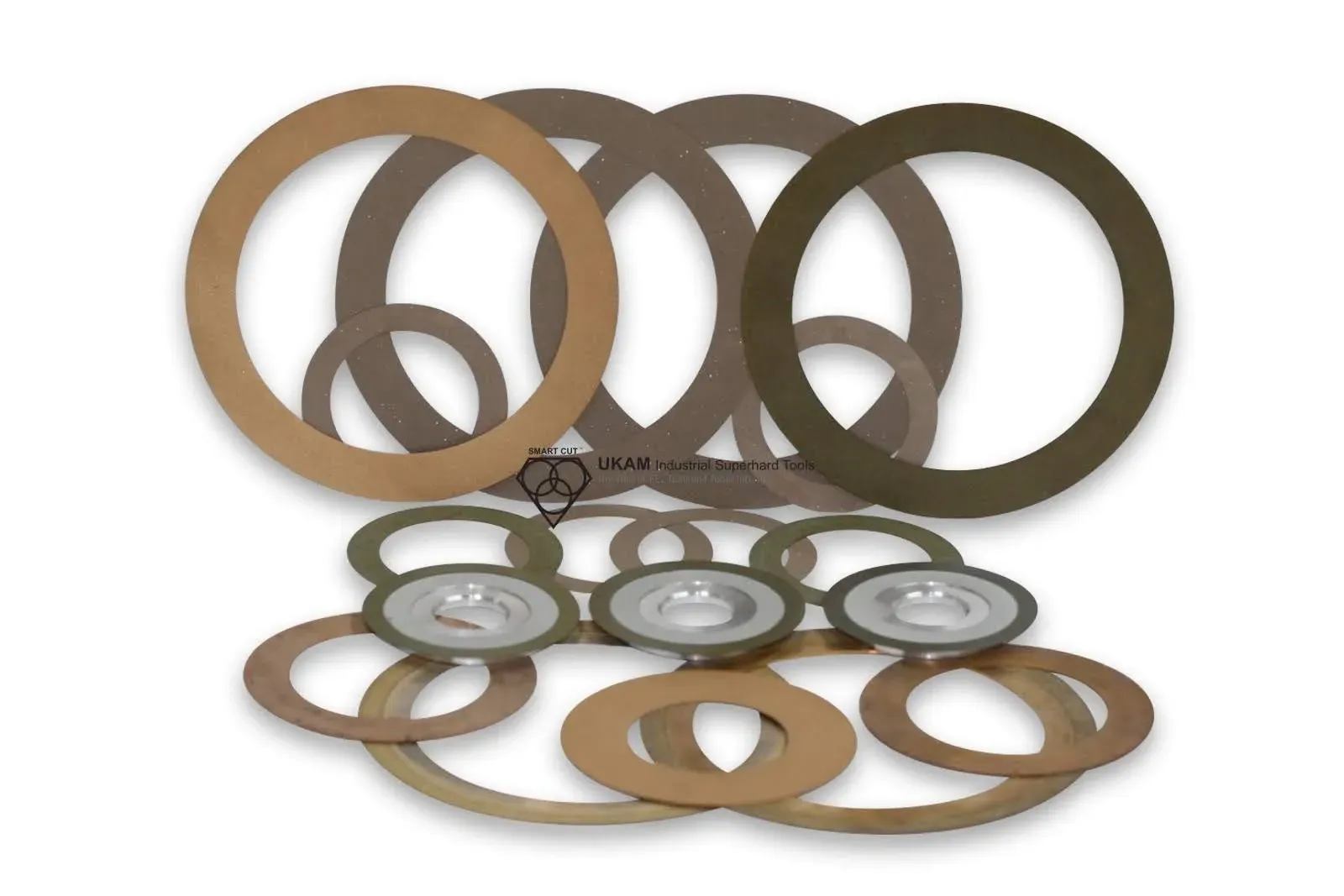

The pursuit of ultra-precise cutting in manufacturing demands specialized equipment, and dicing blades stand at the forefront of micro-precision technology. Whether you're working in semiconductor production, electronics assembly, or advanced materials processing, understanding the intricacies of dicing blade technology becomes essential for achieving superior results. These precision-engineered cutting tools have revolutionized how manufacturers approach materials requiring exact dimensional control and minimal kerf loss. Dicing blades enable cutting operations at tolerances measured in microns, making them indispensable across industries where precision directly impacts product quality and profitability.
Unlike conventional cutting tools, dicing blades represent a specialized category of diamond blades engineered specifically for creating thin slices from harder materials with exceptional dimensional accuracy. The combination of ultra-thin blade design, precise diamond particle distribution, and specialized bonding creates tools capable of producing kerf widths as narrow as 50 microns while maintaining strict tolerances throughout extended production runs.
Understanding Dicing Blade Technology
Core Construction and Design
Dicing blades feature a thin steel or resin core ranging from 100 to 300 microns in thickness, with diamond particles bonded along the cutting edge. This ultra-thin construction minimizes kerf width—the width of material removed during cutting, directly translating to reduced material waste and higher yields. The blade diameter typically ranges from 2 to 12 inches, depending on specific equipment and application requirements.
The cutting edge consists of industrial diamond particles suspended in a metal matrix or resin bond. Diamond particle size ranges from approximately 0.5 to 5 microns, with finer particles producing smoother cuts and coarser particles enabling faster cutting speeds. The precise distribution of these particles directly influences cutting performance, surface finish quality, and blade longevity.
Diamond Particle Distribution
Modern dicing blades employ sophisticated manufacturing processes ensuring uniform diamond particle distribution across the cutting edge. This consistency delivers predictable cutting performance throughout the blade's operational life. Variable diamond concentration designs feature higher diamond densities near the blade's outer edge, where cutting occurs, ensuring consistent performance as the blade wears.
Types of Dicing Blades for Specialized Applications
Sintered Resin Bond Dicing Blades
Sintered resin bond blades combine diamond particles with resin-based bonding systems through heat-intensive processing. These blades excel at delivering smooth surface finishes and generating minimal heat during cutting operations. Resin bonds gradually wear away during cutting, continuously exposing fresh diamond particles and maintaining consistent cutting performance throughout extended service life.
Resin bond blades work particularly well with brittle materials like silicon, germanium, and ceramic substrates where minimal mechanical stress must be applied during cutting. The controlled wear characteristics of resin bonds prevent thermal shock and subsurface damage that could compromise component integrity.
Sintered Metal Bond Dicing Blades
Metal bond dicing blades feature diamond particles bonded within metal matrices, typically composed of bronze, nickel, or cobalt. These blades provide superior longevity compared to resin bonds and excel in high-volume production environments where extended service life directly impacts operational costs.
Metal bonds offer greater hardness than resin alternatives, requiring more aggressive dressing techniques to maintain optimal cutting performance. These blades generate higher temperatures during operation, making adequate coolant delivery essential for preventing thermal damage to delicate materials.
Electroplated Dicing Blades
Electroplated dicing blades feature a single layer of diamond particles attached to the blade surface through electrochemical plating. This construction enables exceptional precision and produces extremely smooth cutting surfaces ideal for optical components and semiconductor wafers. Electroplated blades deliver maximum cutting speed and minimal heat generation but have shorter operational lifespans compared to sintered alternatives.
The electroplating process allows for precise control over diamond particle size and distribution, resulting in highly consistent cutting performance. These blades prove most economical for applications where cutting speed and surface finish quality justify higher costs and more frequent blade replacement.
Applications Across Precision Industries
Semiconductor Manufacturing
Dicing blades form the backbone of semiconductor production, where silicon wafers must be divided into individual dies with exceptional precision. The cutting process must maintain wafer integrity while achieving micron-level dimensional accuracy. Water-cooled dicing systems utilizing precision blades enable manufacturers to process hundreds of wafers daily while maintaining strict quality standards.
Optical Components and Photonics
Precision optical applications demand cutting processes that prevent subsurface damage and micro-fractures that would degrade optical properties. Dicing blades enable manufacturers to create lenses, prisms, and optical substrates from larger raw materials while maintaining optical clarity and dimensional precision.
Ceramics and Advanced Ceramics
Advanced ceramic materials used in electronics, thermal management, and industrial applications require specialized cutting approaches. Dicing blades deliver the precision necessary for creating complex ceramic geometries while maintaining material integrity and minimizing breakage.
Glass and Specialty Materials
From laboratory glassware to specialized industrial glass applications, precision dicing enables manufacturers to create components with exact specifications. The thin kerf width inherent to dicing blade design minimizes material waste—particularly important when processing expensive specialty glasses.
Composite Materials
Engineered composite materials used in aerospace and defense applications require precision cutting to prevent delamination and fiber pullout. Dicing blades deliver the controlled cutting action necessary for maintaining composite material integrity during fabrication processes.
Selection Criteria for Optimal Performance
Material Hardness and Properties
Material selection directly influences blade performance and longevity. Brittle materials like silicon and ceramic typically require finer diamond grits and resin bonds that provide controlled, gentle cutting action. Harder materials like sapphire and diamond may require metal bonds and coarser diamond particles to achieve acceptable cutting speeds.
Understanding material thermal properties proves equally important. Materials with low thermal conductivity require slower cutting speeds and aggressive coolant delivery to prevent thermal damage. Conversely, materials with high thermal conductivity tolerate faster cutting speeds while generating acceptable heat levels.
Blade Thickness and Kerf Width
Blade thickness directly correlates with kerf width, and kerf width drives material waste. Ultra-thin blades minimize kerf width, reducing material loss and improving overall yield. Standard dicing blades range from 100 to 300 microns in thickness, with thickness selection based on material properties and precision requirements.
Thinner blades require more careful handling and precise spindle bearings to prevent blade deflection and ensure cutting accuracy. Thicker blades provide greater rigidity and tolerance for equipment imperfections but produce wider kerf widths and greater material waste.
Diamond Grit Size Selection
Diamond grit sizes range from extremely fine (0.5 to 1 micron) for ultra-smooth finishes to coarser sizes (5+ microns) for faster cutting speeds. Finer grits produce superior surface finishes but cut more slowly, while coarser grits enable faster cutting at the expense of surface smoothness.
The optimal grit size balances surface finish requirements against production speed requirements. Many manufacturers select medium grits (2 to 3 microns) as a compromise offering acceptable surface finishes while maintaining reasonable cutting speeds.
Bond Hardness and Concentration
Bond hardness must match material characteristics. Soft bonds work best with extremely hard materials, allowing controlled wear and consistent diamond exposure. Hard bonds suit softer materials, preventing excessive diamond loss and extending blade longevity.
Diamond concentration, measured in carats per cubic centimeter, influences both cutting speed and blade life. Higher concentrations extend operational life but may reduce initial cutting speed, while lower concentrations accelerate cutting but shorten blade longevity.
Operational Best Practices
Cutting Speed and Feed Rate Optimization
Cutting speeds for dicing applications typically range from 4,000 to 25,000 RPM, depending on blade specifications, material properties, and available equipment capabilities. Optimal speeds balance cutting efficiency against heat generation and blade wear.
Feed rates should match material properties and desired surface finish. Excessive feed rates cause premature blade wear and poor cut quality, while inadequate feed rates may glaze the blade surface, reducing cutting efficiency. Monitor cutting performance continuously and adjust parameters to maintain consistency.
Coolant Application and Selection
Coolant serves multiple critical functions: temperature control, chip evacuation, lubrication, and corrosion prevention. Water-soluble coolants prove suitable for most dicing applications, though specialty coolants exist for specific materials and requirements.
Adequate coolant delivery directly influences blade performance and longevity. Insufficient cooling causes excessive heat buildup, accelerating blade wear and risking thermal damage to workpieces. Ensure coolant delivery systems maintain consistent flow rates reaching the cutting zone.
Spindle Performance and Maintenance
Spindle precision directly affects cutting accuracy and blade performance. High-speed spindles operating in dicing applications require precision bearings and careful maintenance to prevent runout and vibration. Regular spindle maintenance ensures consistent cutting quality and extends equipment longevity.
Maintenance and Troubleshooting
Blade Dressing Procedures
Blade dressing restores cutting performance by removing worn or glazed bond material and exposing fresh diamond particles. Dressing techniques vary based on blade type—resin bonds respond to light dressing with specialized sticks, while metal bonds require more aggressive dressing methods.
Regular dressing prevents cutting performance degradation and extends overall blade life. Develop dressing schedules based on production volume and cutting performance monitoring.
Recognizing Blade Wear Indicators
Cutting speed reduction, increased vibration, poor surface finish quality, and thermal discoloration indicate blade wear requiring attention. Address these indicators promptly by dressing blades or replacing them to prevent quality degradation and equipment damage.
Storage and Handling
Store dicing blades in protective cases or stands, preventing blade contact with hard surfaces. Avoid dropping or striking blades, which can cause micro-fractures compromising cutting performance. Maintain appropriate humidity levels in storage areas to prevent corrosion.
Cost Analysis and Return on Investment
Premium dicing blades command higher initial costs but deliver substantial long-term value through extended operational life, faster cutting speeds, and superior cut quality. Calculate true costs by evaluating blade longevity, material waste reduction, and labor productivity gains rather than focusing solely on purchase price.
High-quality blades producing superior surface finishes often eliminate secondary finishing operations, further enhancing overall profitability. Additionally, reduced material waste from narrower kerf widths compounds financial benefits, particularly when processing expensive materials.
Frequently Asked Questions
What's the difference between dicing blades and standard cutting blades?
Dicing blades feature ultra-thin designs creating narrow kerf widths and operating at higher speeds for micro-precision cutting in controlled environments.
How thin can dicing blade kerf widths be?
Modern dicing blades can achieve kerf widths as narrow as 50 microns, minimizing material waste in precision cutting applications.
What coolants work best for dicing operations?
Water-soluble synthetics and straight oils perform well; select coolants based on material type and equipment recommendations.
How often do dicing blades require replacement?
Lifespan depends on material hardness, cutting parameters, and maintenance, ranging from hours to days of continuous production.
Can dicing blades cut all materials?
While versatile, dicing blades perform optimally on brittle and hard materials; softer materials may require conventional cutting approaches.
What causes poor surface finishes in dicing applications?
Inadequate coolant, excessive feed rates, worn blades, and improper blade selection commonly produce poor surface finishes.
Conclusion
Dicing blades represent sophisticated precision-cutting technology essential for modern manufacturing demanding exceptional dimensional accuracy and minimal material waste. By understanding blade construction, selecting appropriate specifications for specific materials, and implementing proper operational protocols, manufacturers achieve superior cutting results while optimizing production efficiency and profitability. Investing in quality dicing blade technology and supporting equipment demonstrates commitment to manufacturing excellence and product quality that distinguishes leading manufacturers in competitive markets.
























Sign in to leave a comment.