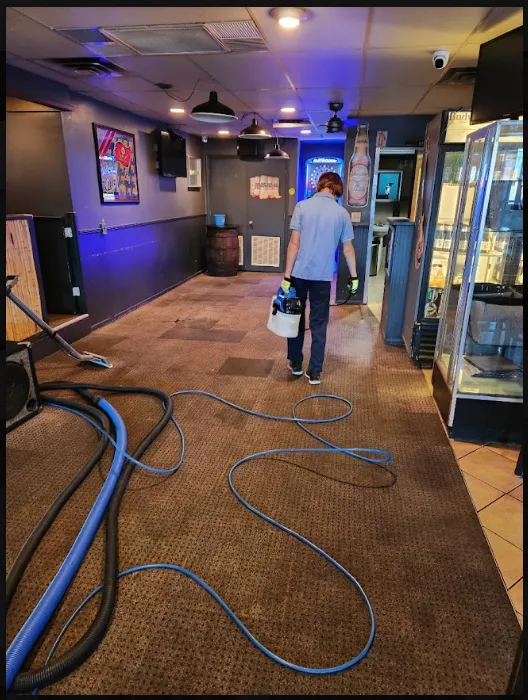

Vacuuming and professional extraction are both valuable, but they remove different types of contamination. A fair steam cleaning vs vacuuming comparison starts by separating loose dry soil from oily residue, spills, and material attached to fibers. Steambrite Cleaning Services describes its truck-mounted carpet cleaning process as pre-spray, spot work, and extraction rather than suggesting that heat alone performs the cleaning.
Customers considering carpet steam cleaning in Odessa, FL benefit most when routine vacuuming and periodic professional service are treated as complementary maintenance.
What Vacuum Suction Removes
A suitable vacuum removes loose grit, hair, crumbs, fibers, and a portion of the fine particles held within carpet. Frequent vacuuming reduces the abrasive material that moves against fibers under foot traffic. It also prepares carpet for professional cleaning by reducing the dry-soil load before moisture is introduced.
Vacuum performance depends on airflow, agitation, filtration, brush condition, height adjustment, bag or bin condition, and operating speed. Slow overlapping passes usually remove more than a quick trip through the room. Edges, stairs, entries, and paths between furniture may need extra attention.
Vacuuming has limits because suction alone may not release sticky soil, body oils, detergent residue, drink spills, or contamination bound to carpet fibers. Adding household powder or fragrance does not expand the machine’s extraction ability and may create more material to remove later.
Dry-soil removal also protects the wet-cleaning stage. A large quantity of grit becomes mud-like when solution is applied, increasing the load placed on extraction. Thorough vacuuming allows pre-spray and rinse water to focus on attached and oily contamination. Commercial facilities often divide this work by traffic zone because entries require more attention than closed offices.
What Hot-Water Extraction Adds
Professional hot-water extraction introduces a cleaning solution selected for the carpet and soil. Pre-spray helps loosen traffic film, while spot treatments target particular substances. Agitation may improve contact in heavily used areas. The extraction tool then rinses and recovers suspended soil, solution, and moisture.
The CRI commercial maintenance standard distinguishes dry-soil removal from restorative extraction processes. The standard also emphasizes inspection, planned maintenance, and procedures suited to carpet conditions. For carpet cleaning in Odessa, FL, the technician should consider fiber, soil, previous products, access, and drying rather than applying maximum heat or detergent by default.
The word steam can be misleading because the useful work comes from the full system. Chemistry, temperature, agitation, dwell time, rinsing, airflow, and recovery all affect the result. Visible vapor is not proof that embedded material has been removed.
Preconditioning needs enough contact time to loosen soil, but it should not be allowed to dry or migrate into unintended areas. The technician may work in controlled sections and adjust concentration for the fiber and contamination. Gum, paint, dye, grease, and pet accidents can require separate spotting steps rather than repeated passes with the primary cleaning solution.
Why Agitation, Rinsing, and Recovery Matter
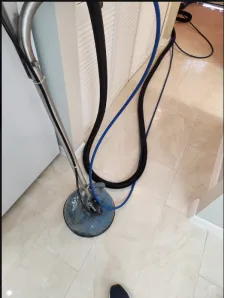
Soil attached to a fiber needs to be loosened before a machine can recover it effectively. Controlled agitation distributes solution and provides mechanical action. Rinsing helps carry suspended material toward the extraction tool, while recovery removes that liquid from the carpet.
The Carpet and Rug Institute’s maintenance overview identifies hot-water extraction as an effective deep-cleaning method. Incomplete recovery can leave excess moisture or residue, so dry passes and equipment condition matter. Stronger detergent cannot compensate for poor rinsing or weak suction.
Carpet may still contain permanent stains, faded dye, abrasion, burns, or damaged backing after soil is removed. A professional should distinguish physical damage from cleanable contamination before presenting the likely outcome.
Recovery can be improved through deliberate tool speed, overlapping passes, clean jets, intact seals, and extra dry passes. Moving too quickly may leave solution and suspended soil behind, while moving too slowly with continuous spray can add unnecessary moisture. The operator must watch the recovered water, carpet response, and tool contact instead of relying on a fixed pace.
Cleaning Depth and Drying Time
Deep cleaning does not require careless saturation. The amount of solution should reflect the carpet, soil, and treatment being performed. Truck-mounted recovery can remove substantial moisture, but carpet density, padding, humidity, airflow, temperature, and spot treatment still affect drying.
Shaw’s carpet-cleaning guidance recommends periodic professional hot-water extraction and warns against excess detergent. Households scheduling carpet cleaning in Clearwater, FL can assist drying by maintaining climate control, using fans where safe, and following instructions before replacing furniture or resuming heavy traffic.
Use Both Methods for Different Jobs
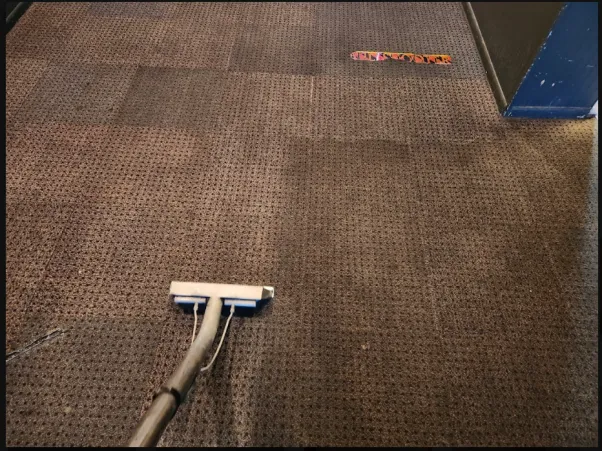
Steambrite Cleaning Services combines pre-treatment, spotting, and truck-mounted extraction with the process information available on its About page. The company supports customers comparing carpet cleaners in Palm Harbor while setting expectations for residue, stains, wear, and drying. Routine vacuuming remains the homeowner’s first defense between visits. Households can evaluate whether professional extraction fits their carpet.
About the Author
The author is a consumer-education writer focused on carpet maintenance, cleaning methods, and evidence-based service comparisons. Their work explains technical processes in practical language so property owners can ask better questions. The author is not presented as a Steambrite employee and does not claim cleaning certifications or trade credentials.































Sign in to leave a comment.