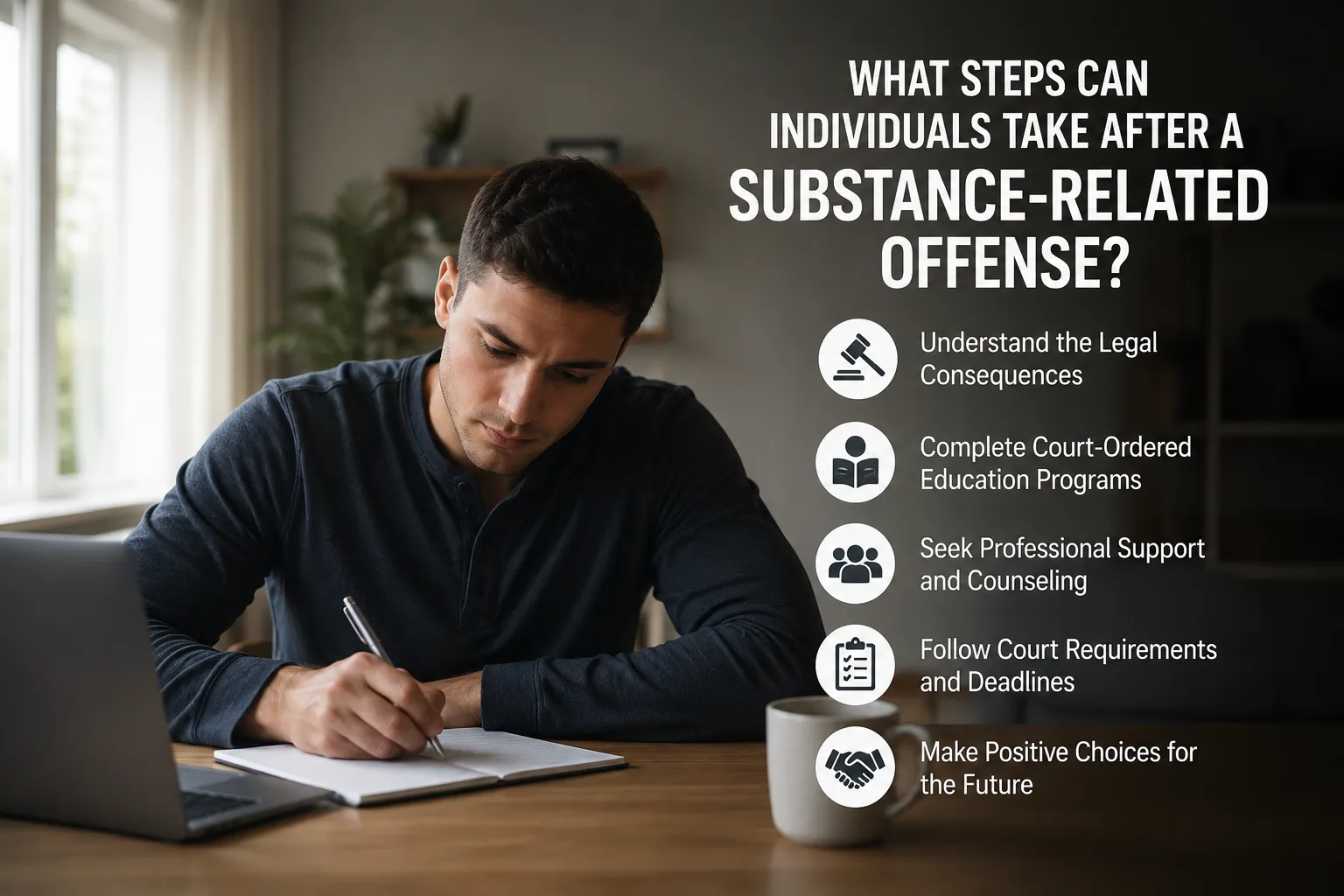

A substance-related offense can have serious consequences that affect many areas of a person's life, including employment opportunities, driving privileges, finances, education, and personal relationships. Whether the offense involves possession of a controlled substance, drug-related misconduct, or another substance-related violation, the period following the incident is often filled with uncertainty and important decisions. While the legal process may seem overwhelming, individuals have opportunities to take positive steps that demonstrate accountability, support personal growth, and help reduce the likelihood of future offenses. One of the most common requirements in these situations is completing a Controlled Substance Offender Class in Colorado, which is designed to educate participants about substance use, decision-making, and responsible behavior.
Understanding the Impact of a Substance-Related Offense
The consequences of a substance-related offense extend beyond court appearances and fines. Many individuals experience challenges that affect their daily lives long after the legal matter is resolved.
A conviction or violation may lead to restrictions on employment opportunities, professional licensing concerns, increased insurance costs, or limitations related to housing applications. For some individuals, the offense can also strain relationships with family members, friends, and coworkers.
Recognizing the broader impact of the offense is often the first step toward meaningful change. Accepting responsibility allows individuals to focus on solutions rather than remaining stuck in the circumstances that led to the violation.
Follow All Court Requirements Promptly
One of the most important actions an individual can take after a substance-related offense is complying fully with court-ordered requirements.
Depending on the circumstances, courts may require educational programs, community service, probation conditions, substance awareness classes, or other corrective measures. Completing these requirements on time demonstrates responsibility and cooperation with the legal process.
Failure to comply can result in additional penalties, extended supervision, or further legal complications. Keeping track of deadlines and maintaining documentation of completed requirements can help avoid unnecessary problems.
For many individuals, completing a Controlled Substance Offender Class in Colorado is a key component of meeting court obligations while gaining valuable educational insights.
Enroll in a Controlled Substance Offender Class in Colorado
Educational programs play an important role in helping individuals understand the consequences of substance-related behavior.
A Controlled Substance Offender Class in Colorado is designed to provide participants with information about controlled substances, legal consequences, decision-making patterns, risk factors, and strategies for making healthier choices in the future.
These courses often focus on increasing awareness rather than punishment. Participants learn how substance-related decisions can affect their personal lives, careers, families, and communities.
The goal is to encourage long-term behavioral change by helping individuals understand the factors that contribute to risky decisions and how to avoid similar situations moving forward.
Many participants find that these classes provide practical tools that can be applied in everyday life long after the course is completed.
Evaluate Personal Habits and Decision-Making Patterns
After a substance-related offense, it can be helpful to take an honest look at the circumstances that contributed to the incident.
Many people discover that certain habits, environments, peer influences, or stressors played a role in their decision-making. Understanding these factors can help prevent future problems.
Self-reflection is not about assigning blame or dwelling on mistakes. Instead, it is about identifying opportunities for improvement.
Questions that may be helpful include:
- What factors contributed to the offense?
- Were there warning signs that were ignored?
- How could a similar situation be handled differently in the future?
- What positive changes could reduce future risks?
Developing greater self-awareness often leads to better decision-making and healthier outcomes.
Build a Strong Support System
Positive support can make a significant difference during the recovery and rehabilitation process.
Family members, trusted friends, mentors, counselors, and support groups can provide encouragement, accountability, and guidance. Having people who support positive change often makes it easier to stay focused on long-term goals.
A strong support network can also help individuals navigate challenges such as stress, anxiety, or setbacks that may arise after a legal issue.
Support systems remind individuals that one mistake does not define their future and that meaningful progress is possible.
Focus on Education and Personal Development
Substance-related offenses can serve as an opportunity for growth and self-improvement.
Many individuals choose to participate in educational programs, skill-building courses, or professional development opportunities following an offense. Learning new skills and expanding knowledge can increase confidence and create new opportunities.
Personal development efforts may include improving communication skills, learning stress management techniques, developing healthier coping strategies, or strengthening decision-making abilities.
Investing in personal growth demonstrates a commitment to positive change and can contribute to long-term success.
Address Underlying Challenges
In some situations, substance-related offenses may be connected to broader challenges such as stress, poor coping skills, social pressures, or unhealthy behavioral patterns.
Addressing these underlying issues is often an important part of preventing future problems.
Seeking guidance from qualified professionals, counselors, or educational programs can help individuals better understand factors that influence behavior and develop healthier responses to life's challenges.
Proactively addressing underlying concerns often leads to more sustainable positive outcomes.
Rebuild Trust and Relationships
One of the less discussed consequences of a substance-related offense is the effect it can have on personal relationships.
Family members, friends, employers, or colleagues may feel disappointed or concerned following an incident. Rebuilding trust often requires patience, honesty, and consistent actions over time.
Rather than focusing solely on words, individuals can demonstrate change through responsible behavior, accountability, and commitment to personal growth.
Trust is typically rebuilt gradually, but consistent positive actions can help strengthen relationships and restore confidence.
Develop a Plan for Future Success
Moving forward successfully often requires more than simply completing court requirements.
Creating a personal action plan can help individuals stay focused on positive goals and avoid situations that may increase risk.
A strong plan may include:
- Completing all required educational programs.
- Maintaining positive social connections.
- Avoiding high-risk environments.
- Setting career or educational goals.
- Practicing healthy stress-management techniques.
By focusing on future goals rather than past mistakes, individuals can create a clear path toward long-term success.
Why Education Matters After a Substance-Related Offense
Education is one of the most effective tools for reducing repeat offenses and encouraging positive decision-making.
A Controlled Substance Offender Class in Colorado provides participants with valuable information about substance-related risks, legal consequences, and personal responsibility. More importantly, it encourages individuals to think critically about choices and develop strategies for making better decisions in the future.
These courses are not simply about meeting a requirement. They are opportunities to gain knowledge, increase self-awareness, and build skills that support long-term personal growth.
Final Thoughts
A substance-related offense can be a challenging experience, but it does not have to define a person's future. The steps taken after the offense often play a significant role in determining future outcomes.
By complying with court requirements, completing a Controlled Substance Offender Class in Colorado, evaluating personal decision-making patterns, building a support system, and investing in personal growth, individuals can move forward in a positive direction.
Mistakes can become valuable learning experiences when they lead to greater awareness, responsibility, and healthier choices. With the right mindset and commitment to change, individuals can use this opportunity to build a stronger foundation for the future.
Frequently Asked Questions
1. What is a Controlled Substance Offender Class in Colorado?
A Controlled Substance Offender Class in Colorado is an educational program designed to help individuals understand substance-related offenses, legal consequences, risk factors, and responsible decision-making.
2. Who may be required to take a Controlled Substance Offender Class?
Individuals may be ordered by a court, attorney, probation officer, employer, or other authority to complete the class following a substance-related offense.
3. Can completing a Controlled Substance Offender Class help satisfy court requirements?
Yes. In many cases, completing an approved Controlled Substance Offender Class in Colorado may help fulfill court-ordered educational requirements, depending on the specific circumstances.
4. What topics are covered in a Controlled Substance Offender Class?
Courses often cover substance awareness, legal consequences, decision-making skills, behavioral patterns, accountability, and strategies for avoiding future violations.
5. Why is education important after a substance-related offense?
Education helps individuals understand the consequences of their actions, develop healthier decision-making habits, and reduce the likelihood of future offenses.

























Sign in to leave a comment.