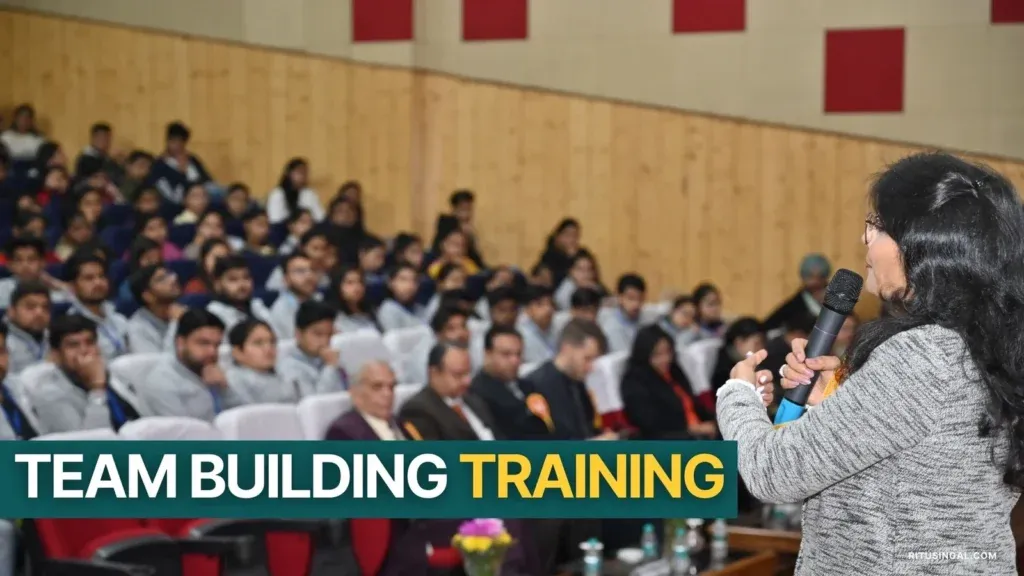

A team rarely struggles because people lack ability. More often, problems begin when communication becomes uneven; trust starts to thin, and pressure quietly affects how people work together. Deadlines may still be met, yet frustration grows underneath through missed updates, unclear roles, and avoidable tension. Team-building training can make a real difference. It helps groups work with more awareness, better coordination, and stronger respect for one another’s contributions. A stronger team rhythm often changes the whole working atmosphere. In this article, we discuss how team-building training can strengthen communication and build trust.
Better communication usually starts with smaller corrections
One person keeps interrupting a bit too much, another kinda holds back their concerns, and someone else just assumes everyone else already knows what to do. After a while, these little patterns pile up, and you get confusion, and then frustration. I mean, good guidance helps people notice how they’re talking, how they’re listening, and how they reply in everyday situations, not only in those set meeting moments. A team that practices clarifying expectations, checking understanding, and voicing worries earlier usually ends up running with less tension. Communication gets smoother because people stop guessing what’s going on. And then they start showing up with more patience, more structure, and more shared focus.
Trust grows when people see consistency in each other
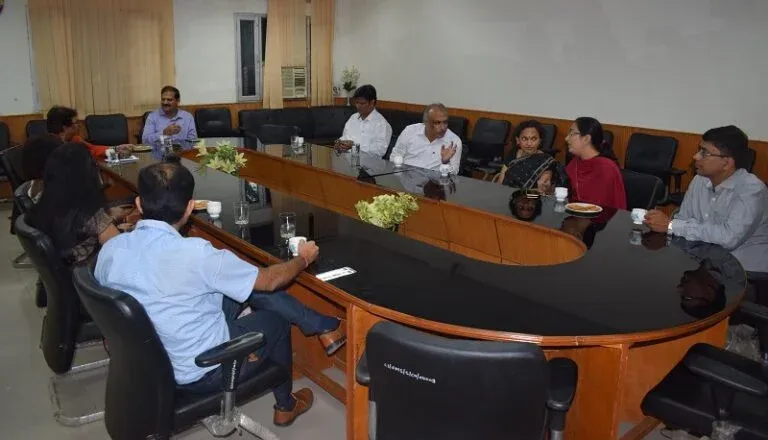
Trust at work is rarely built through slogans or one-day activities alone. It develops when people experience reliability in real situations. A colleague follows through, a manager listens without dismissing concerns, or a team member admits a mistake without turning defensive. Those little moments kinds of shape confidence more than polished presentations ever do. Corporate employee training can be useful when it goes beyond surface motivation and actually points toward shared responsibility, accountability, and interpersonal awareness. People start getting the idea how their own behaviour impacts the wider group, even if they didn’t mean to. Once consistency improves, trust begins to feel earned rather than expected. And when trust grows, collaboration usually becomes much smoother and more natural.
Pressure handling matters just as much as skill
Even a talented group can lose momentum when pressure starts influencing tone, patience, and decision-making. Tight timelines, unclear priorities, and repeated urgency often lead people to react more sharply than usual. Stress management training becomes highly relevant. It helps teams understand how pressure affects communication, concentration, and emotional control during normal workdays. A stronger group often develops through practical adjustments such as:
- pausing before reacting in tense moments
- sharing workload concerns earlier
- listening without rushing to defend
- clarifying priorities before confusion spreads
- maintaining steadier responses during deadlines
Results improve when team energy stops getting wasted
A lot of workplaces lose momentum not because folks are weak or anything, but because this energy just gets drained by miscommunication, some friction, and those quiet assumptions that nobody wants to name. Pretty soon, tasks start taking longer than they should, rework goes up, and morale starts sliding even though everyone is still technically capable, or at least they stay “competent” on paper. When teamwork clicks, that waste goes down. It lets people move in the same direction with fewer mix-ups and less emotional exhaustion. The site’s workplace and corporate services echo that bigger intent by tying team development to communication, conflict handling, and work culture support. A more connected group usually does better, since the attention comes back to the real work itself. And as emotional strain eases, clarity and outcomes often rise at the same time.
Conclusion
Stronger results rarely come from talent alone. They usually grow when communication becomes clearer, trust feels more dependable, and pressure is handled with more maturity. Team development matters because it reduces the small internal problems that slowly weaken coordination. Once those gaps begin closing, people often work with more confidence, better rhythm, and a healthier sense of shared purpose across the workplace.
For organisations that want thoughtful people development rather than surface-level motivation, Life Coach Ritu Singal brings a grounded understanding of work culture, communication, and emotional balance. Her broader counselling and training perspective makes the process feel more practical and human, who can be especially valuable for teams that want a stronger connection, steadier collaboration, and progress that holds up beyond one session.
Frequently Asked Questions
Question: When does a group need outside support?
Answer: It usually becomes useful when misunderstandings keep repeating, trust feels weak, or pressure begins affecting daily coordination. Frequent tension, silence during discussions, and unclear accountability are common signs. Support is often most effective before those patterns become fixed, especially when the team is still capable but no longer working smoothly together.
Question: Can this help teams that already perform well?
Answer: Yes. High-performing groups also face stress, communication gaps, and relationship strain. Guidance can strengthen what is already working by improving clarity, listening, and emotional steadiness. In many cases, it helps a capable group stay resilient under pressure rather than waiting until conflict or fatigue starts damaging performance.
Question: What usually changes first after guided sessions?
Answer: The earliest change is often not productivity. It is awareness. People begin noticing how they communicate, respond under pressure, and affect others during routine interactions. That increased awareness often improves listening, reduces unnecessary friction, and creates a steadier working rhythm. Once those shifts settle in, stronger output usually follows more naturally.



















Sign in to leave a comment.