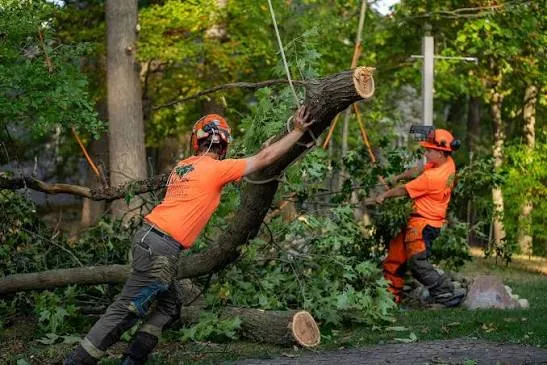

A fallen tree can quickly turn from an unexpected inconvenience into a serious safety hazard. Whether the tree fell because of a storm, strong winds, heavy snow, or disease, knowing what to do next can help protect your family, property, and finances.

Understanding the proper Fallen Tree Removal process is essential for preventing further damage and ensuring the job is completed safely.
Stay Safe and Assess the Situation
The first priority after a tree falls is safety. Never rush toward the fallen tree before checking the surrounding area for hazards.
Look for:
- Downed power lines
- Broken gas or water lines
- Damaged structures
- Hanging tree limbs
- Unstable branches
If the tree has brought down electrical wires, stay away immediately and contact your local utility company. Never attempt Fallen Tree Removal when electrical hazards are present.
If someone is injured, call emergency services before addressing the tree itself.
Inspect the Damage Carefully
Once the area is safe, inspect the extent of the damage from a safe distance.
Check whether the tree has damaged:
- Your home
- Garage or shed
- Fence
- Vehicles
- Driveway
- Sidewalk
- Landscaping
Take clear photos from multiple angles. These images will be valuable when filing an insurance claim and requesting estimates for Fallen Tree Removal services.
Contact Your Insurance Company
Many homeowners insurance policies cover damage caused by fallen trees under certain circumstances.
Contact your insurance provider as soon as possible and provide:
- Photos of the damage
- The date and time of the incident
- Details about weather conditions
- Information about damaged property
Your insurance company may recommend approved contractors for Fallen Tree Removal, helping simplify the claims process.
Always review your policy carefully to understand what is covered before authorizing major work.
Do Not Attempt Dangerous Tree Removal Yourself
Many homeowners consider removing a fallen tree on their own to save money. While this may work for very small trees lying safely on open ground, larger trees require professional equipment and experience.
DIY removal can be dangerous because of:
- Hidden tension in branches
- Heavy trunks
- Chainsaw accidents
- Falling limbs
- Unstable root systems
Professional Fallen Tree Removal experts use specialized tools, safety gear, cranes, and rigging systems to remove trees without causing additional damage.
Hire a Professional Fallen Tree Removal Company
Choosing the right contractor makes a significant difference in safety and efficiency.
Look for companies that offer:
- Licensed and insured services
- Emergency response
- Modern equipment
- Positive customer reviews
- Free estimates
- Experienced arborists
Ask for a written estimate before work begins. A reputable Fallen Tree Removal company will explain the process, timeline, cleanup, and disposal methods.
Remove Debris Promptly
After the main trunk has been removed, smaller branches and debris should be cleared quickly.
Leaving debris on your property can:
- Create tripping hazards
- Attract insects
- Encourage mold growth
- Damage lawns
- Block drainage systems
Professional cleanup ensures your property is restored safely and efficiently after Fallen Tree Removal.
Decide Whether the Stump Should Be Removed
Sometimes only the fallen portion of the tree is removed while the stump remains.
Consider stump removal if:
- You plan to replant
- The stump creates a safety hazard
- It attracts termites or pests
- It interferes with landscaping
Many companies offer stump grinding as part of their Fallen Tree Removal service package.
Prevent Future Tree Falls
Prevention is one of the best investments homeowners can make.
Schedule regular tree inspections to identify:
- Dead branches
- Root decay
- Disease
- Leaning trees
- Pest infestations
- Structural weaknesses
Routine pruning and maintenance reduce the risk of emergency Fallen Tree Removal after severe weather.
Know When Emergency Tree Removal Is Needed
Some situations require immediate professional attention.
Emergency Fallen Tree Removal is necessary when a tree:
- Blocks your driveway
- Falls across a public road
- Damages your home's roof
- Threatens nearby structures
- Blocks emergency access
- Rests on power lines
Emergency crews are trained to safely remove hazardous trees while minimizing further property damage.
Understand the Factors That Affect Fallen Tree Removal Costs
The cost of Fallen Tree Removal varies depending on several factors, including:
- Tree size
- Tree species
- Location
- Accessibility
- Equipment required
- Emergency response needs
- Cleanup services
- Stump removal
Obtaining multiple quotes helps ensure fair pricing while allowing you to compare services and warranties.
Common Mistakes to Avoid
Homeowners often make avoidable mistakes after a tree falls.
Avoid these common errors:
- Entering unsafe areas immediately
- Ignoring damaged power lines
- Delaying insurance claims
- Hiring uninsured contractors
- Attempting large tree removal without experience
- Skipping cleanup after removal
Taking the right steps from the beginning makes the Fallen Tree Removal process smoother and safer.
Frequently Asked Questions
Can I remove a fallen tree myself?
Small trees that are safely lying on open ground may be manageable, but large or damaged trees should always be handled by professionals because of the significant safety risks.
Does homeowners insurance cover Fallen Tree Removal?
Coverage depends on your policy and the cause of the tree falling. If the tree damages an insured structure, removal is often covered. Check with your insurance provider for details.
How long does Fallen Tree Removal take?
Simple jobs may take only a few hours, while larger trees or complex situations involving buildings or power lines can take a full day or longer.
What happens to the wood after removal?
Many tree service companies offer options such as hauling the wood away, cutting it into firewood, or leaving it for the property owner.




























Sign in to leave a comment.