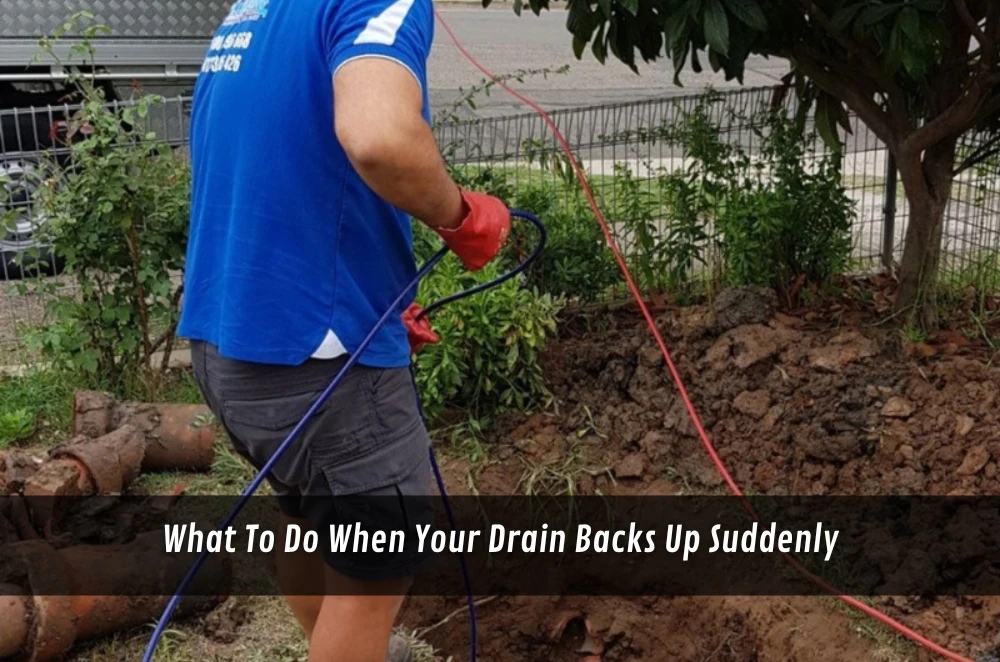

It always seems to happen at the worst possible time — your shower starts filling up, your toilet won't flush, or the kitchen sink begins to gurgle. If your drain has suddenly backed up, it usually points to a deeper plumbing issue that needs attention.
Now, when this happened in my place a few months back, I thought it was just a clogged sink. Turns out, the issue ran deeper, we were dealing with a blocked sewer drain that had slowly built up over time.
In these situations, the key is not to panic. You don’t need to rip the pipes apart yourself, but understanding the signs and knowing what to do can prevent a major disaster. This article breaks down what causes backups, what signs to look for, and how to handle them calmly.
Why drains suddenly back up (and how to spot the signs)
Drain backups are more common than most people think — and often, they don’t happen all at once. Most blockages build up slowly from daily habits. It might be grease from dishes, hair in the shower, or those so-called flushable wipes that really aren't.
Some common indicators include:
- Gurgling noises when you flush or drain
- Water pooling in unexpected places
- Slow drainage across multiple fixtures
- Unpleasant odours near wet areas
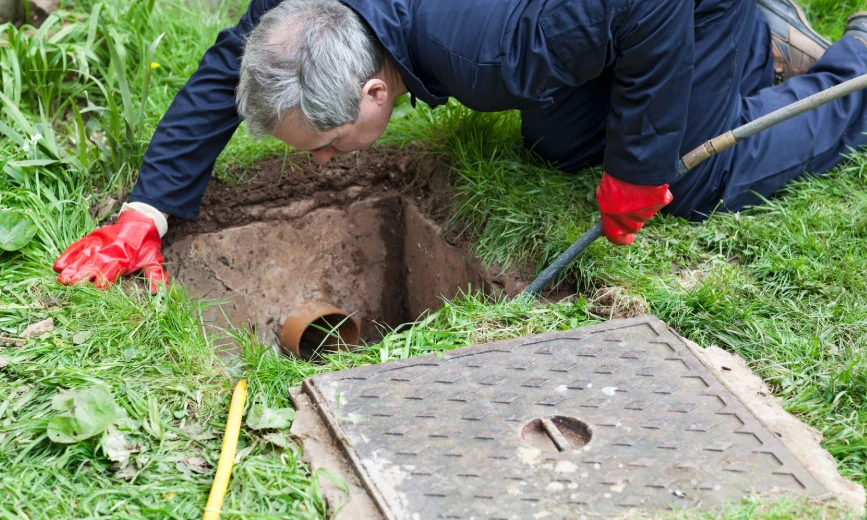
In older Sydney homes, tree roots are often the silent culprit. They snake their way into cracked pipes over time and can cause a full blockage overnight.
Signs your blockage might not be your fault
Not every blocked drain is your responsibility — and that’s an important distinction. When I rented a place in Marrickville, we had regular backups. After months of back and forth, the plumber showed us that the issue was beyond the property line.
Homeowners and tenants alike should understand sewer blockage responsibility because it determines who’s liable for repairs. Generally, if the blockage is within your boundary, it’s on you. Beyond that, it's usually the responsibility of your local council or utility provider.
That’s why checking drainage maps and service diagrams is worth the effort — they show exactly where your pipes end and council infrastructure begins.
What you can do (and what you shouldn’t)
It's tempting to try every trick in the book, especially when water starts backing up into your kitchen or bathroom. But it’s worth knowing where the line is between safe DIY and causing more harm.
A few things that are generally safe:
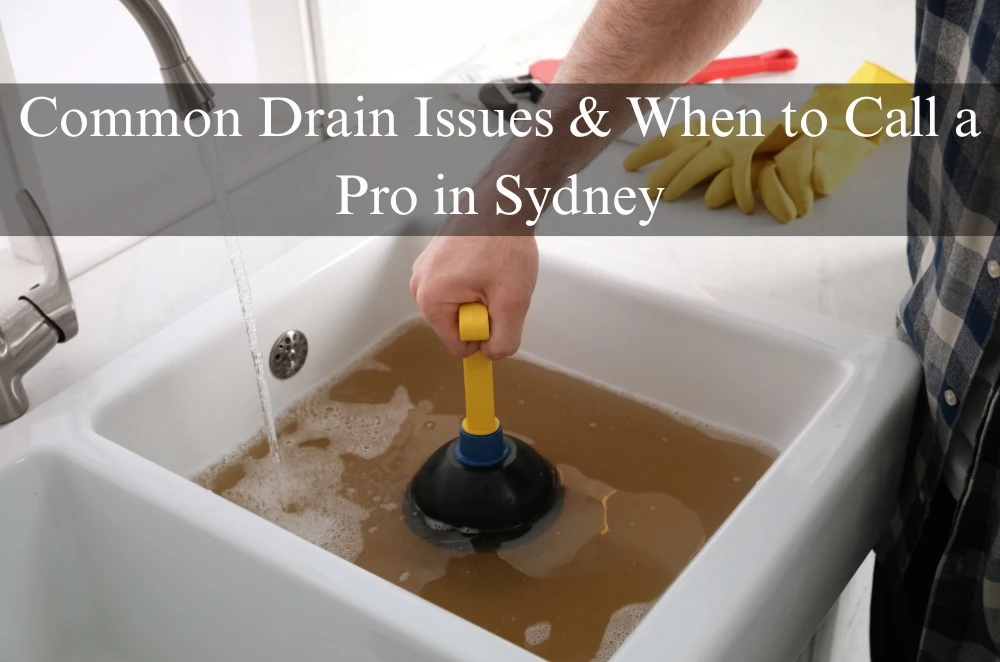
- Plunging (gently, and only when you know it’s not a sewer line issue)
- Pouring boiled water (not too aggressively) to break down grease
- Using a drain screen to catch future hair or debris
Avoid using chemical cleaners — they often cause more pipe corrosion than anything else. If you’ve tried the basics and the issue returns, it’s a sign the problem’s deeper than surface-level.
Why regular maintenance helps prevent trouble
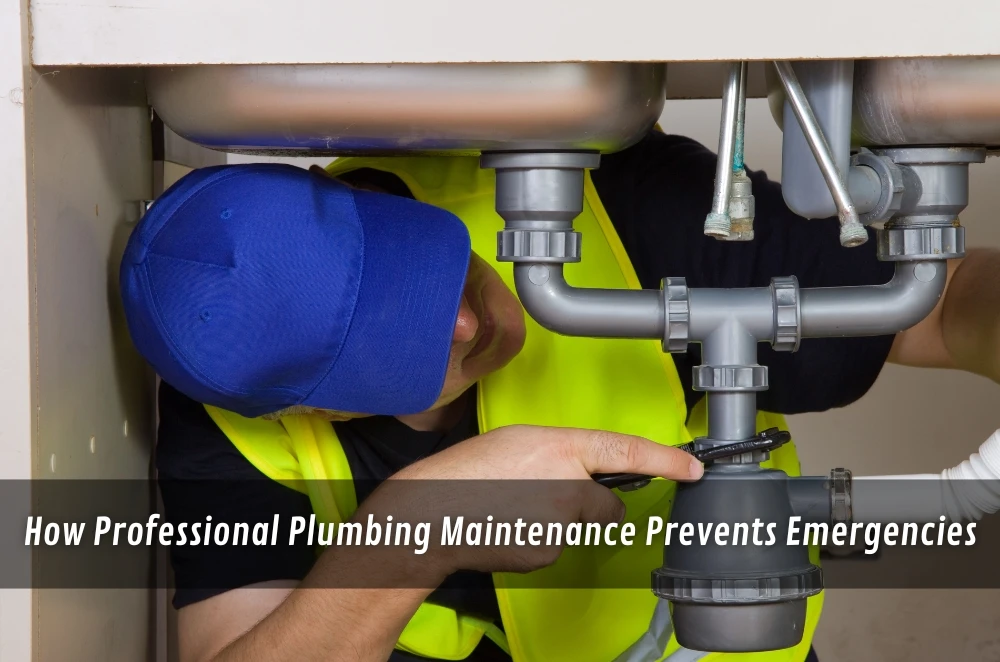
One thing that saved me in my current home? Scheduling an annual plumbing check-up. It’s not glamorous, but having someone scope the lines before problems start can be a game-changer.
Regular maintenance:
- Detects early root intrusion
- Clears minor build-ups before they escalate
- Ensures pipe joints and connections are sealed tightly
- Identifies slow-flow issues before blockages form
Some signs are easy to miss until it’s too late. When drains are sluggish, it’s usually a sign that something’s been building behind the scenes for weeks or months.
What to try before calling in a professional
There are a few simple tactics you can try safely if the backup isn’t too advanced. The key is knowing when to stop.
Use these sparingly:
- Hot water with natural cleaners like bicarb and vinegar
- A small drain snake (only if you’re confident using one)
- Removing and cleaning the U-bend under the sink
These methods work best for local blockages, not full-line or sewer problems. If you see signs across multiple fixtures, that’s when you need expert help.
What to do if DIY doesn’t cut it
If your plunging and prodding haven’t worked — or you’re seeing symptoms like gurgling toilets and rising water in the shower — it’s time to escalate.
But getting help doesn’t mean handing over control. It means choosing someone qualified who can:
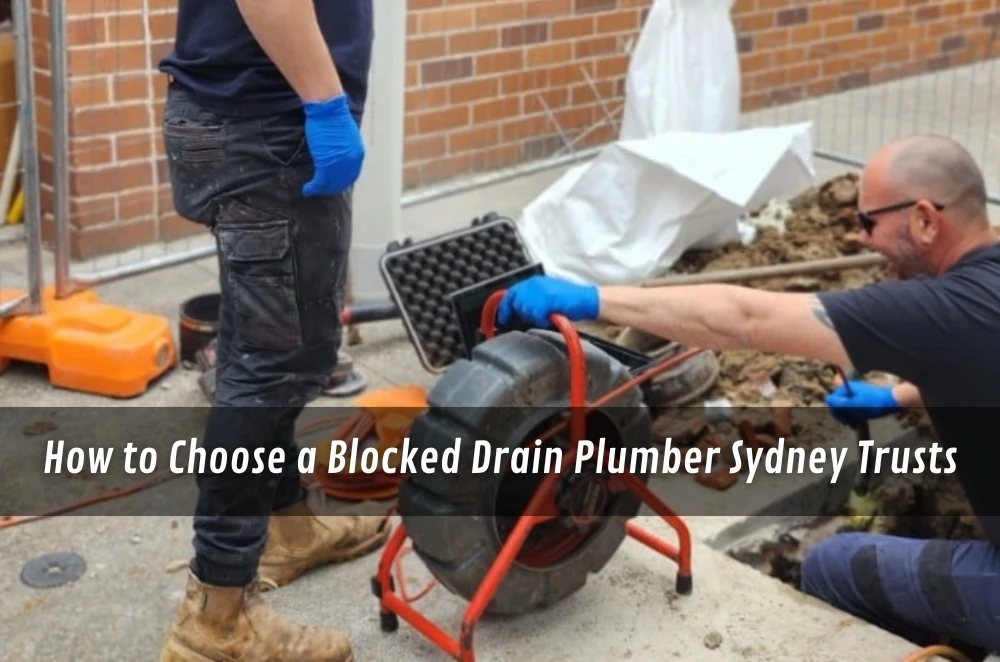
- Use CCTV inspection to pinpoint the blockage
- Perform high-pressure jetting without damaging pipes
- Spot issues like pipe sagging, cracks or tree root intrusion
And when selecting someone to do the job, don’t go on price alone. Take a moment to check credentials and experience. It helps to understand the signs of a blocked drain so you’re not just relying on what you’re told on the spot.
Why homeowners should stay proactive
The reality is, most drain issues are preventable. Keeping things flowing smoothly doesn’t require complicated gear — just a few consistent habits and a watchful eye.
Some smart habits include:
- Keeping grease and food scraps out of the sink
- Using filters to catch hair in showers and basins
- Flushing only toilet paper — no wipes, tissues or sanitary items
- Checking for pooling water outside after rain
In many cases, being proactive means fewer surprises and less stress, especially when you’re not at home and your kids tell you the bathroom is flooding.
When local upkeep becomes essential
If you’ve had a few blocked drain scares already, there’s probably a pattern. For many of us, the signs start subtly, and we brush them off. I’ve been there, ignoring the gurgle in the bathroom sink until water started coming out of the floor drain.
Understanding what causes those issues and staying ahead of them can spare you from emergency repairs.
Keeping informed on early signs of plumbing issues doesn’t mean going fully DIY. It means having a sense of what’s safe to try, and when it’s time to step aside and bring in a professional.
Final thoughts
Drain backups can throw your entire routine into chaos, but with a calm head and a bit of knowledge, you can stop the situation from spiralling, whether it's a build-up from everyday waste or something deeper like root intrusion, fast action matters.
From spotting the early signs to knowing what you can safely try at home, this kind of understanding is your best defence. And if you ever find yourself searching “blocked drains near me”, hopefully you’ll feel more prepared to act, instead of watching the water rise and wondering what went wrong.


























Sign in to leave a comment.