

Winter in Sydney often uncovers plumbing problems that stay hidden the rest of the year. Cold rain, damp soil, tree roots creeping toward pipes—it all adds up when temperatures drop. A blocked drain isn’t something most households plan for, yet once it appears, you can’t really pretend it’s not there. Water that won’t drain, smells that linger, and gurgles in the pipes when you least expect them. These small signals usually mean something deeper needs attention. Sometimes it’s just grease or debris building up slowly. Other times, there’s a hidden crack that’s been there for years. When you spot early signs of blocked drains, it helps to look into it before things get worse.
Why winter makes drain problems worse
Cold months bring extra stress to plumbing. Rain doesn’t just run off neatly. It seeps into the soil, shifting old pipes and pushing tree roots deeper. Even cooking habits change—more warm meals and fats going down the sink. Over time, those little things add up.
You might notice:
- Grease hardens inside pipes.
- Leaves are piling around outdoor drains.
- Old clay pipes are starting to crack under shifting soil.
- Stormwater drains are struggling during heavy downpours.
At first, it might feel like a minor annoyance. But if the water stops moving the way it used to, it usually needs a closer look.
Early signs that something’s wrong
Most drainage issues don’t arrive all at once. They leave clues if you’re paying attention. A smell that never quite goes away. A sink that takes longer to empty. A toilet that needs a second flush. On their own, these signs might not seem serious, but when they start happening together, they point to a bigger problem.
Look out for:
- Gurgling or bubbling sounds.
- Water is pooling around the floor drains.
- Slow drainage in several areas.
- Damp patches near outdoor grates.
When more than one drain acts up, the blockage could be deeper in the system.
What you can try yourself
Sometimes, a few careful steps can ease a minor clog. No special tools required, just patience.
- Pour hot water to soften grease.
- Use a plunger with steady pressure.
- Clear leaves off the side grates.
- Avoid chemical drain cleaners if you’re not sure about your pipes’ condition.
If you’ve tried these and the problem stays the same, it probably needs professional help.
When DIY does more harm
There’s a fine line between a harmless attempt and creating more damage. For example:
- Pushing a drain rod too far can break older pipes.
- Cutting a root without sealing the opening can make it grow back thicker.
- Repeated plunging may loosen seals.
At that point, experience and proper equipment make all the difference.
What regulations say about repairs
In Sydney, plumbing repairs aren’t always something you can handle alone. Work on main lines or replacing pipe sections has to follow clear rules. Plumbing regulations in NSW describe licensing requirements, safety measures, and insurance protections that apply to drainage work. Professionals who work with these standards every day usually finish jobs faster and save you from needing rework later.
When a professional is worth it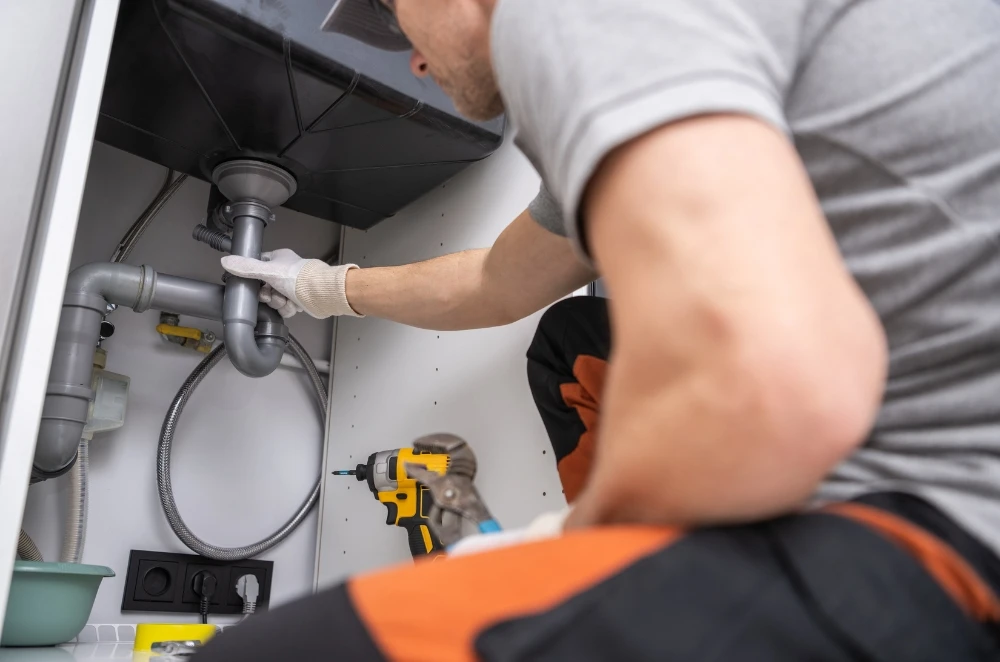
A slow drain on its own might not feel urgent, but certain situations call for qualified help:
- More than one drain is showing problems.
- Water is coming back up onto the floor.
- Bad smells that hint at sewer gas.
- Blockages that return again and again.
- Older pipes are in areas with trees or shifting soil.
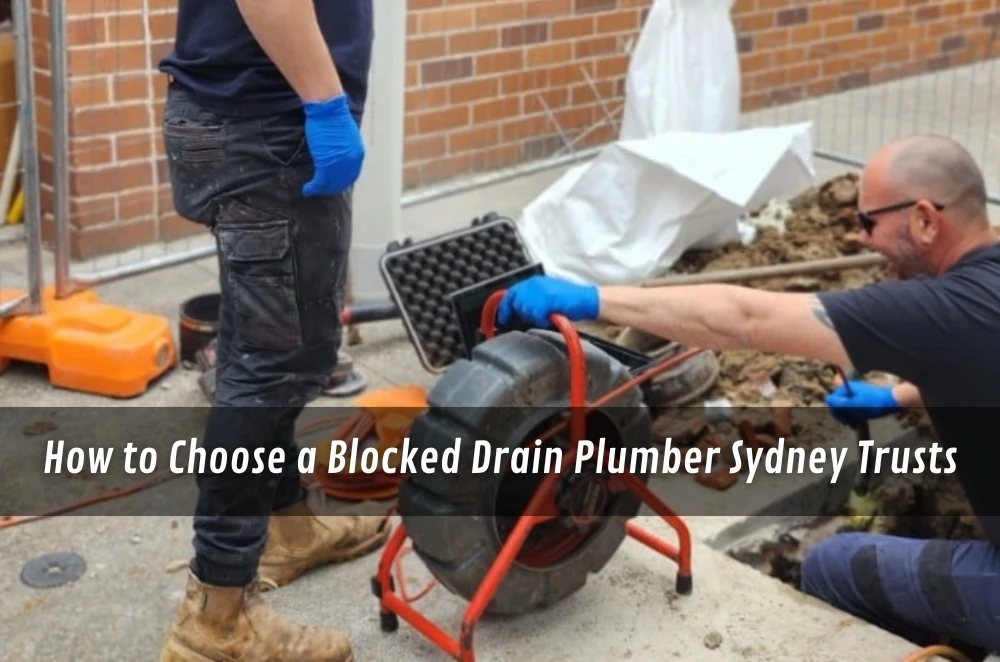
Licensed plumbers often use cameras to see what’s happening without having to dig.
What happens during a service call
A drain service usually starts with questions about where you’re seeing trouble. The plumber might walk through the house, check outdoor drains, and test the water flow. What comes next depends on what they find:
- High-pressure water jets to clear the line.
- A camera is sent down to spot breaks or blockages.
- Relining to seal cracks without digging.
- Replacing damaged sections if needed.
Some households rely on simple steps like towels or buckets to hold back water for a short time. Drain backup solutions refer to these temporary measures that can limit damage until repairs begin.
Simple habits to prevent clogs
Winter is a good time to check drains more often. A few habits can make a difference:
- Sweep leaves before rainstorms.
- Use strainers in kitchen sinks.
- Pour cooled fats into containers instead of the sink.
- Look for standing water after rain.
Spending a few minutes every fortnight can help you avoid problems that cost much more to fix.
Deciding who to call
Not every plumber spends their time on blockages. Some focus mainly on renovations or installations. A short conversation can help you feel confident that you’ve chosen the right person.
- Do you have experience with older pipes?
- What tools will you use to find the blockage?
- Are there fees for after-hours visits?
- How long do you guarantee the repairs?
Choosing drainage services often comes down to knowing what you value—clear answers, reliable timing, and fair pricing.
Final thoughts on winter drainage issues
Drain problems show up when you least expect them, especially in winter. Cold, wet weather has a way of exposing cracks and build-ups you didn’t know were there. Paying attention to early signs, trying safe checks, and knowing when to call a pro can help you stay ahead of bigger problems.
Sometimes it’s a quick clean-out. Other times, it takes a proper inspection to find the real cause. Acting early, before the water starts rising, is usually the part you’ll be glad you did.





























Sign in to leave a comment.