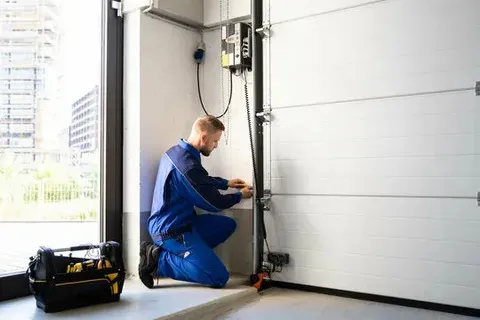

A garage door that gets stuck open can be more than an inconvenience. It can leave your home, vehicle, tools, and belongings exposed to weather and security risks. A door that will not close may also indicate a problem with the springs, cables, tracks, opener, sensors, or another important component. Knowing what to do can help you stay safe and prevent further damage.
If your garage door is stuck open and you cannot safely identify or resolve the problem, contacting a professional emergency garage door repair service can help restore safe operation. Avoid forcing the door closed or attempting to repair high-tension components yourself, especially if you are not trained to work with garage door systems.
Why Does a Garage Door Get Stuck Open?
Garage doors contain many moving parts that must work together correctly. When one component fails, the entire door may stop operating properly.
Some common causes include:
- Broken or worn springs
- Damaged cables
- Bent or blocked tracks
- Broken rollers
- Malfunctioning garage door opener
- Dirty or misaligned safety sensors
- Power problems
- Damaged hinges
- Remote-control problems
- Obstructions around the door
Finding the cause is important because different problems require different solutions.
1. Stay Calm and Keep People Away
The first step is to make safety your priority.
A garage door is heavy, and an unexpected movement can cause serious injury. If the door is stuck open, keep children and pets away from the garage area.
Do not stand directly underneath the door while trying to operate it.
You should also keep vehicles away from the door until the problem has been inspected.
2. Check for Simple Obstructions
Look around the garage door opening for objects that could prevent the door from moving.
Common obstructions include:
- Boxes
- Tools
- Bicycles
- Outdoor equipment
- Toys
- Stored materials
- Debris
Even a small object in the wrong location can interfere with the door or its safety sensors.
Remove only objects that are safely accessible. Do not reach into moving mechanisms or attempt to move damaged components.
3. Check the Garage Door Remote
Sometimes the problem is not the garage door itself. The remote may have a weak battery or may not be communicating properly with the opener.
Try using another programmed remote if one is available.
You can also check whether the wall-mounted control works.
If the wall button operates the door but the remote does not, the problem may be related to the remote, battery, programming, or receiver.
4. Check the Garage Door Opener Power
A garage door opener needs electricity to operate.
Look at the opener and check whether it appears to have power. If the unit is completely inactive, check whether another electrical device in the garage is working.
You can also check the appropriate circuit breaker if you are comfortable doing so.
Do not open the electrical housing or attempt electrical repairs yourself.
If there is an electrical smell, smoke, sparks, or visible damage, stay away from the equipment and contact a qualified professional.
5. Inspect the Safety Sensors
Most modern garage doors have safety sensors near the bottom of the tracks.
These sensors help prevent the door from closing when an object is detected underneath it.
If the sensors are dirty, blocked, or misaligned, the opener may refuse to close the door.
Look at the sensors from a safe position.
Make sure:
- Nothing is blocking them.
- They appear properly aligned.
- The sensor lenses are not covered with heavy dirt.
- There are no obvious signs of damage.
Do not remove or bypass the safety sensors. They are important safety devices.
6. Look at the Garage Door Tracks
Garage door tracks guide the rollers as the door moves.
If a track becomes bent, damaged, or obstructed, the door may stop moving correctly.
Look for visible signs such as:
- Bent metal
- Gaps
- Loose mounting hardware
- Heavy dirt
- Damaged rollers
- Objects blocking the track
Do not try to bend the track back into position while the door is under tension.
Track repairs can require specialized tools and knowledge.
7. Check for Broken Springs From a Safe Distance
Garage door springs help support the weight of the door.
When a spring breaks, the door can become extremely heavy and may not operate correctly.
A broken spring may show signs such as:
- A visible separation in the spring
- A loud snapping sound before the problem appeared
- A door that suddenly becomes very heavy
- The opener struggling to lift the door
- The door remaining open or refusing to move
Garage door springs can store significant amounts of energy.
Do not attempt to remove, adjust, or replace a garage door spring yourself.
This is one of the jobs best left to trained professionals.
8. Look for Damaged or Loose Cables
Garage door cables work with the spring system to help the door move properly.
A cable may become loose, frayed, or come off its drum.
Signs of a cable problem can include:
- One side of the door sitting higher than the other
- A loose cable
- A cable hanging near the side of the door
- Uneven movement
- A door that appears crooked
Never pull on a loose cable or attempt to reconnect it while the system is under tension.
9. Do Not Force the Door Closed
One of the biggest mistakes homeowners make is trying to force a stuck garage door shut.
A heavy door can cause injuries or damage if it suddenly moves.
Forcing the door can also damage:
- Tracks
- Rollers
- Cables
- Springs
- Hinges
- Door panels
- Opener components
If the door is stuck and does not respond normally, stop operating it until the cause has been identified.
10. Avoid Repeatedly Using the Opener
If the garage door opener cannot close the door, repeatedly pressing the remote may not solve the problem.
Continuous attempts can put additional stress on the opener and other components.
If you hear grinding, clicking, straining, or unusual motor sounds, stop using the opener.
Repeated operation could turn a relatively simple issue into a more expensive repair.
Common Reasons a Garage Door Stays Open
There are several reasons a garage door may refuse to close.
Broken Spring
A broken spring can prevent the door from moving properly because the spring helps support the door's weight.
Sensor Problem
Dirty or misaligned sensors can cause the opener to prevent the door from closing.
Track Damage
Bent tracks can prevent rollers from moving smoothly.
Cable Failure
A damaged cable can make the door uneven or unsafe to operate.
Opener Failure
A damaged motor, circuit board, gear, or other opener component may prevent normal operation.
Remote Problem
A dead battery or communication issue can make the remote appear to be broken even when the door itself is functioning.
Why a Garage Door Stuck Open Is a Security Concern
A garage is often one of the largest entry points into a home.
If the garage door remains open, it can make it easier for unauthorized people to access the garage and potentially the house.
An open garage can also expose:
- Vehicles
- Tools
- Bicycles
- Lawn equipment
- Packages
- Household belongings
For this reason, a garage door that will not close should not be ignored.
If the problem cannot be safely corrected, professional assistance should be arranged as soon as practical.
How Weather Can Make the Problem Worse
Weather can also affect garage door operation.
Strong wind can place additional pressure on an open garage door. Rain and moisture can affect exposed components over time, while extreme temperatures may affect certain materials and mechanical parts.
During severe weather, avoid standing near or under an open garage door.
If possible, keep the area protected and arrange professional service when conditions are safe.
When Should You Call a Professional?
Some simple issues, such as replacing a remote battery or clearing an obvious obstruction, may be easy for a homeowner to address.
However, professional help is recommended when the problem involves mechanical or high-tension components.
Contact a qualified garage door professional if:
- The spring appears broken.
- A cable has come loose.
- The door is crooked.
- The track is severely bent.
- The opener makes unusual noises.
- The door is extremely heavy.
- The door has fallen partially off the tracks.
- There is visible structural damage.
- The door will not respond after basic checks.
- You are unsure what caused the problem.
What a Professional May Inspect
A trained technician can inspect the complete garage door system rather than focusing only on the visible symptom.
The inspection may include:
- Garage door springs
- Cables
- Rollers
- Tracks
- Hinges
- Door panels
- Opener
- Safety sensors
- Brackets
- Hardware
- Balance and movement
- Safety features
After identifying the cause, the technician can recommend an appropriate repair.
How to Prevent Your Garage Door From Getting Stuck Open
Regular maintenance can reduce the likelihood of unexpected problems.
Homeowners should:
- Keep the garage door tracks clean.
- Keep the sensor area clear.
- Watch for unusual noises.
- Inspect visible hardware regularly.
- Test the door's safety features as recommended.
- Replace damaged components promptly.
- Avoid hitting the door with vehicles.
- Keep heavy objects away from moving parts.
- Schedule professional inspections when needed.
Early attention to small problems can help prevent larger failures.
Garage Door Safety Tips Every Homeowner Should Know
Garage doors are heavy mechanical systems, so safe operation is important.
Follow these basic guidelines:
- Never stand under a moving garage door.
- Keep children away from garage door controls.
- Keep pets away from the door.
- Never bypass safety sensors.
- Do not adjust high-tension springs yourself.
- Do not pull damaged cables.
- Do not operate a severely damaged door.
- Keep the garage door area clear.
- Do not continue using an opener that makes unusual noises.
- Have serious problems inspected by a qualified professional.
Final Thoughts
A garage door that gets stuck open can be frustrating, but it is important to handle the situation carefully. Start by keeping people and vehicles away from the door, then check simple issues such as obstructions, power, remote batteries, and visible sensor problems.
If the problem involves springs, cables, tracks, structural damage, or other mechanical components, avoid DIY repairs. Garage doors are heavy, and some components operate under high tension.


























Sign in to leave a comment.