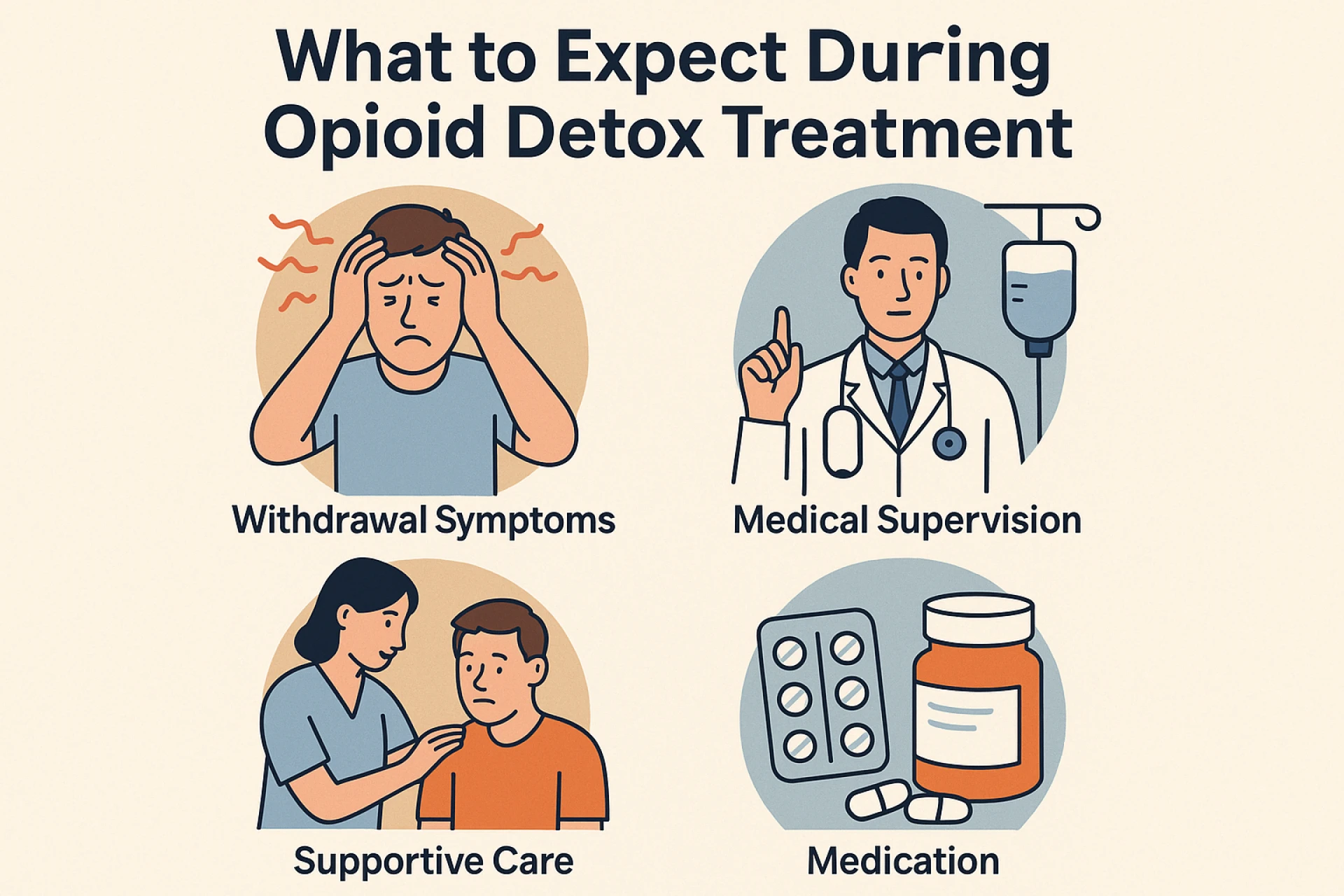

When you're tangled in the grip of opioid dependence, the idea of detox can feel both hopeful and terrifying. If you're reading this, maybe you're thinking about taking the first step or perhaps you're supporting someone who is. Either way, knowing what to expect during opioid detox treatment can make the journey feel a little less uncertain.
Let me be real with you: detox isn’t easy. But it is possible, and more importantly, it’s worth it.
Understanding Opioid Detox: More Than Just Withdrawal
Detox is the process your body goes through to eliminate opioids like heroin, oxycodone, or hydrocodone from your system. It’s not just about getting clean it’s about setting the stage for lasting recovery. Withdrawal symptoms will happen, yes, but with the right support, they don’t have to define your experience.
Detox is usually the first step in a longer treatment journey, not a standalone cure. Think of it as clearing the fog before you begin the real work of healing.
What Does Opioid Withdrawal Feel Like?
If you’ve used opioids regularly, your body becomes dependent on them. When you stop, your system reacts sometimes harshly. Withdrawal can begin within 6–12 hours of your last dose and typically peaks around 72 hours in.
Common Symptoms
- Muscle aches and body pain
- Nausea, vomiting, or diarrhea
- Anxiety or agitation
- Insomnia or restless sleep
- Sweating and chills
- Cravings that feel impossible to ignore
It’s no walk in the park. But supervised detox programs help manage symptoms, often using medications that ease discomfort and reduce risks.
The Role of Medically Supervised Detox
Choosing a medically supervised detox isn’t just about comfort; it’s about safety. Opioid withdrawal, while rarely life-threatening, can cause severe dehydration or lead to relapse if symptoms become overwhelming.
Medical detox programs offer:
- 24/7 monitoring
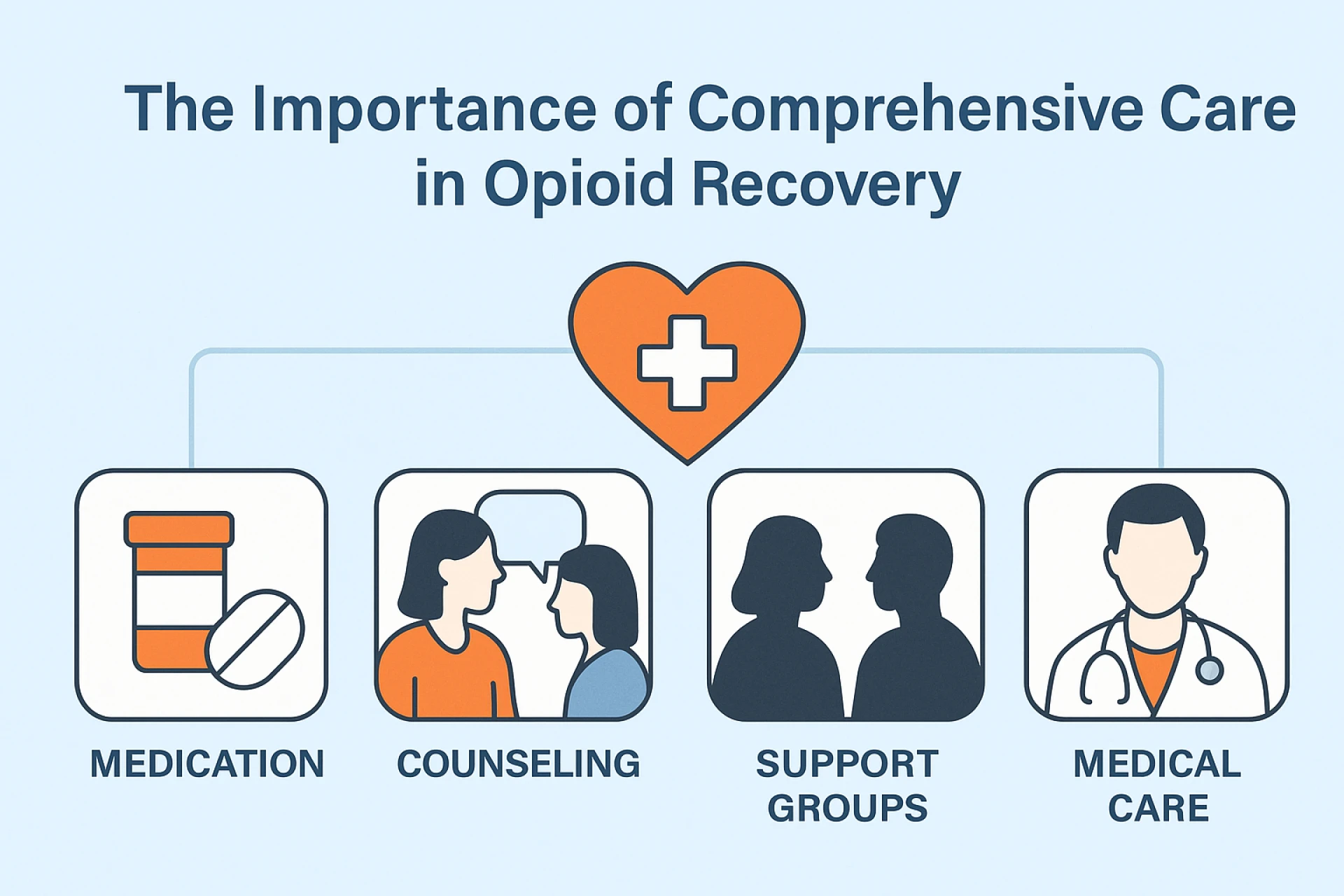
- Medication-Assisted Treatment (MAT) like buprenorphine or methadone
- Emotional and psychological support
According to the Substance Abuse and Mental Health Services Administration (SAMHSA), MAT is highly effective in supporting long-term recovery, especially when combined with behavioral therapies.
Your Detox Timeline: What to Expect Day by Day
Every journey is different, but here’s a general breakdown:
Days 1–2:
Withdrawal begins. You might feel anxiety, flu-like symptoms, and cravings. Medication and hydration are key.
Days 3–5:
Symptoms peak. This is often the most difficult phase. Medical staff will focus on stabilizing you both physically and emotionally.
Days 6–7:
Symptoms start to ease. Appetite returns, sleep improves, and hope starts to feel a little more real.
Emotional Rollercoaster: Detox and Your Mental Health
Detox doesn’t just affect your body. It takes a toll on your mind, too. You may feel:
- Irritability or mood swings
- Depression or hopelessness
- Cravings that mess with your motivation
It’s important to remember that these feelings are normal. You're not weak; you're healing. As Carl Jung once said, “There is no coming to consciousness without pain.” But through pain, there is progress.
Comparing Opioids: Oxycodone vs Hydrocodone
Many people ask, “Which is stronger: oxycodone or hydrocodone?” It’s a fair question especially when considering past prescriptions or use patterns. Understanding the differences between these two opioids can also help tailor your treatment plan.
For a breakdown of oxycodone vs hydrocodone including their potency, side effects, and risks check out this helpful comparison. It can give you insight into what your body is detoxing from and why symptoms may vary.
Life After Detox: What Comes Next?
Detox is just the beginning. After the physical symptoms subside, you’ll need to address the emotional and psychological layers of addiction. This is where treatment programs whether inpatient, outpatient, or therapy-focused come in.
You might explore:
- Cognitive Behavioral Therapy (CBT)
- Group therapy or support groups
- Relapse prevention planning
- Holistic practices like mindfulness or yoga
The goal isn’t just sobriety. It’s rebuilding your life with meaning, structure, and connection.
Final Thoughts
Detoxing from opioids is a deeply personal and often challenging experience, but it’s also the first, courageous step toward reclaiming your life. While the road ahead might seem uncertain, you don’t have to walk it alone.
By understanding what to expect during opioid detox treatment, you’re already preparing yourself mentally and emotionally for the journey. It’s not about being perfect; it’s about showing up for yourself, one day at a time.
Whether you’re detoxing from oxycodone, hydrocodone, or another opioid, help is out there, and healing is possible. With the right support, what once felt impossible can become a turning point.




























Sign in to leave a comment.