

If you’ve recently been diagnosed with ADHD or you’re a parent trying to navigate options for your child you might feel overwhelmed by the sheer number of medications available. Trust me, you’re not alone.
When I first started exploring ADHD treatments, I thought there would be a straightforward answer. But I quickly learned that finding the right medication often means balancing effectiveness, side effects, personal history, and lifestyle. The good news? There are choices. And the more informed you are, the more confident you’ll feel about making the best one.
Stimulants: The Most Common Starting Point
Stimulant medications are typically the first line of treatment for ADHD. These include medications like Adderall, Ritalin, and Vyvanse. They work by boosting dopamine and norepinephrine in the brain chemicals that play a major role in attention and focus.
Why People Choose Stimulants
- Fast-acting relief: You can often feel results within 30 to 60 minutes.
- Proven track record: Decades of research support their effectiveness.
- Different formats: Available in both short- and long-acting forms.
But stimulants aren’t without their downsides. Some people experience increased anxiety, sleep disturbances, or appetite loss. And since these drugs are classified as controlled substances, there’s also the concern about dependence or misuse especially for adults with a history of substance use.
Non-Stimulant Options: A Different Approach
Not everyone is comfortable starting with stimulants. That’s where non-stimulant medications come in. These are particularly useful for people who don’t respond well to stimulants or want to avoid the risk of dependency.
One well-known non-stimulant is Strattera (atomoxetine). It doesn’t provide instant results in fact, it may take several weeks to notice full effects but it offers a steadier, longer-lasting impact with less risk of abuse.
If you're considering these two very different types of medications, this breakdown of adderall vs strattera is a helpful place to start. Understanding how each works can clarify which might fit your needs better.
Weighing the Pros and Cons
When choosing a medication, here are a few factors worth discussing with your healthcare provider:
- Speed of effect: Do you need something that works right away?
- Side effect profile: Are you prone to anxiety, insomnia, or mood swings?
- Lifestyle factors: Can you handle dosing multiple times a day, or do you prefer extended-release?
- Personal or family history: Is there any history of addiction or heart problems?
It’s also important to remember that no two people respond the same way to a medication. What works for your friend might not work for you and that’s okay.
The Role of Behavioral and Holistic Therapies
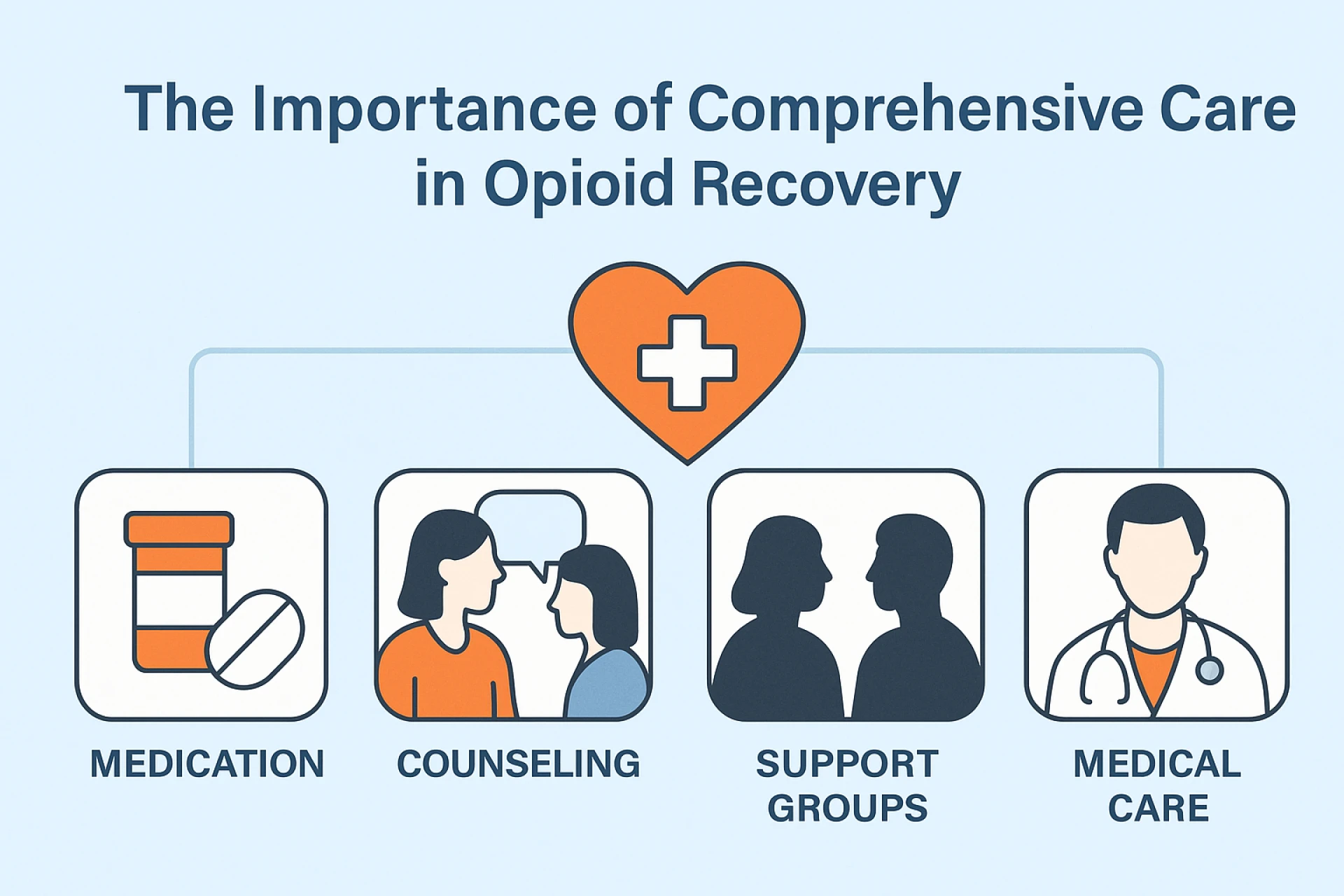
Medication isn’t the only piece of the puzzle. Most experts agree that ADHD treatment is most effective when it’s part of a broader, holistic plan.
That might include behavioral therapy, mindfulness strategies, executive function coaching, and even nutrition. According to the National Institute of Mental Health, combining medication with behavioral treatments often leads to better outcomes especially in children.
As Dr. Edward Hallowell, a leading voice in ADHD treatment, once said: “ADHD is a trait, not a disorder. It becomes a disorder when it impairs your ability to function.” The right treatment plan should help you (or your child) harness that trait, not suppress it.
Trial and Error Is Part of the Process
One of the most frustrating (and honest) truths about ADHD medication? You may not get it right the first time.
And that’s okay.
You might need to try a few different options, tweak the dosage, or pair medication with additional support tools before things start to click. That doesn’t mean you’re doing anything wrong, it just means you’re figuring out what works best for you.
You Deserve a Plan That Works
Whether you're considering medication for the first time or reevaluating your current approach, the most important thing to remember is this: you deserve a treatment plan that supports your whole self, not just your ability to focus.
























Sign in to leave a comment.