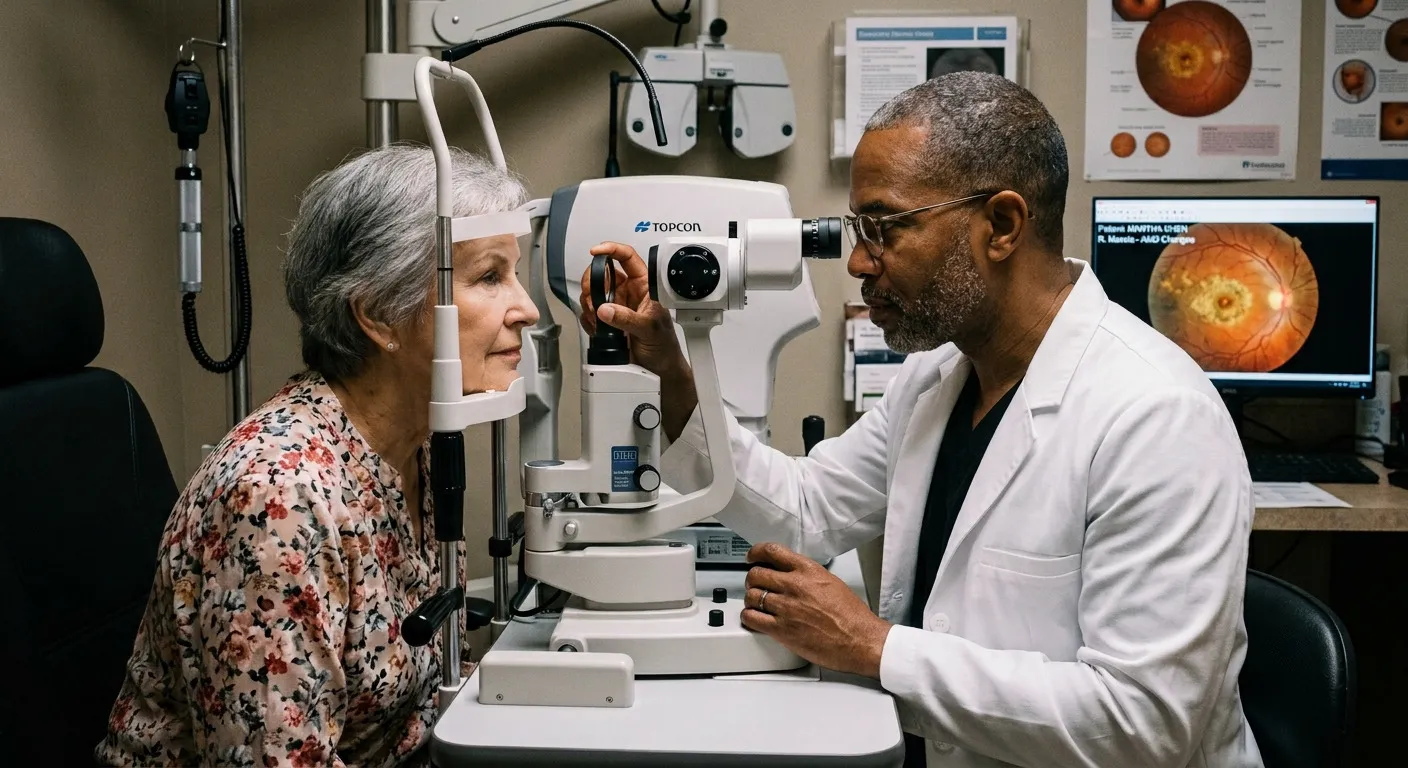

If you've recently been diagnosed with or are experiencing symptoms of macular degeneration, your first specialist visit can feel overwhelming. Understanding what happens during the appointment can help you feel more prepared and confident. If you're searching for macular degeneration in Clearwater specialists, knowing what to expect can make your visit more comfortable and productive.
This guide explains the typical steps involved in your first appointment and how a retina specialist evaluates your eye health to create a personalized treatment plan.
Why Your First Appointment Is Important
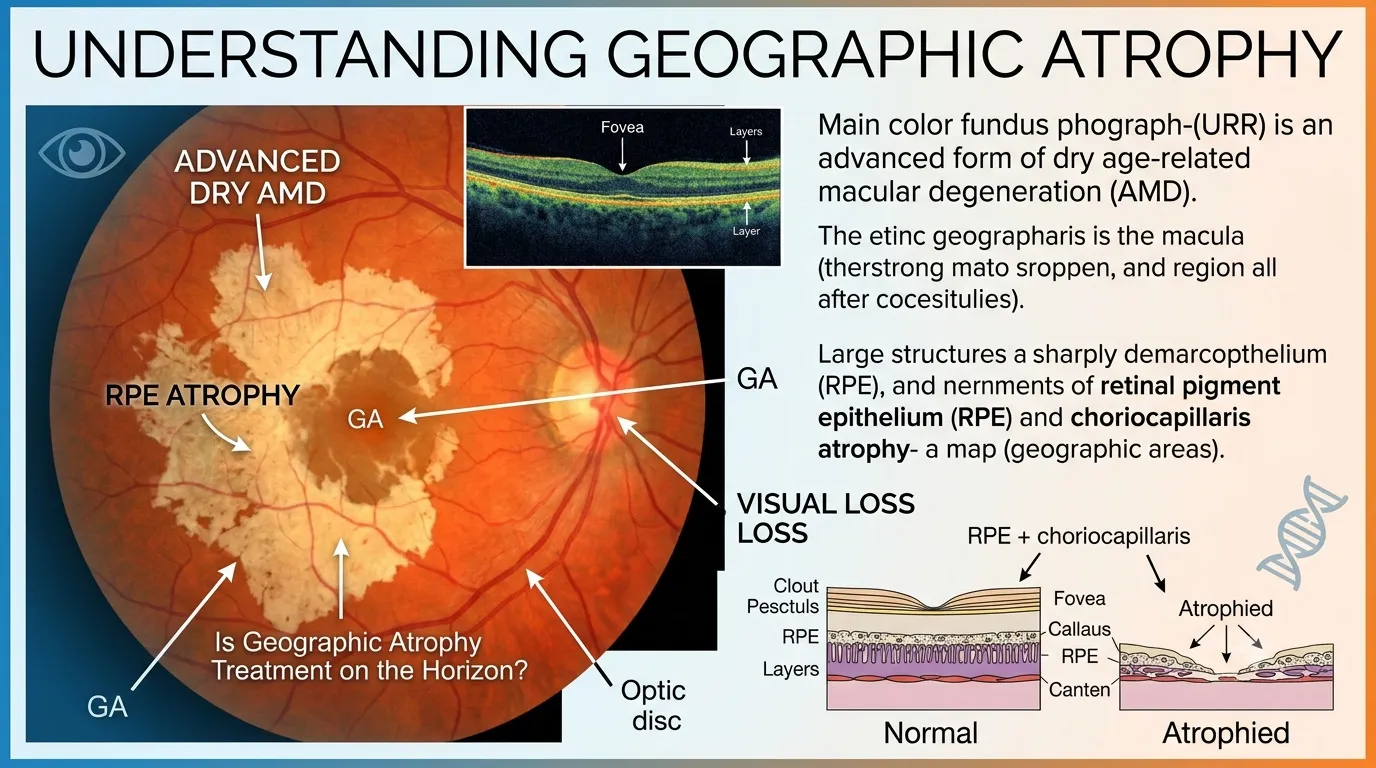
Age-related macular degeneration (AMD) affects the macula, the central part of the retina responsible for sharp, detailed vision. Early diagnosis is essential because prompt treatment may help slow disease progression and preserve your vision.
Your first visit allows your retina specialist to:
1. Review your symptoms and medical history.
2. Examine the retina and macula.
3. Determine whether you have dry or wet macular degeneration.
4. Recommend the most appropriate treatment or monitoring plan.
A Review of Your Medical and Vision History
Your appointment usually begins with a discussion about your overall health and vision changes. Your provider may ask questions such as:
1. When did you first notice blurry or distorted vision?
2. Do straight lines appear wavy?
3. Are you having difficulty reading or recognizing faces?
4. Do you have a family history of macular degeneration?
5. What medications and supplements are you currently taking?
Providing detailed answers helps your eye doctor better understand your condition and identify potential risk factors.
Comprehensive Eye Examination
A thorough retinal evaluation is the most important part of your visit. Your eyes will likely be dilated to give the retina specialist a clear view of the back of your eye.
Your examination may include:
1. Visual acuity testing.
2. Dilated retinal examination.
3. Optical Coherence Tomography (OCT) imaging.
4. Retinal photography.
5. Fluorescein angiography (if wet AMD is suspected).
These advanced imaging tests help detect retinal damage, fluid leakage, drusen deposits, or abnormal blood vessels associated with macular degeneration.
Discussing Your Diagnosis and Treatment Options
After reviewing your examination results, your retina specialist will explain your diagnosis in clear, easy-to-understand language.
Depending on your condition, treatment recommendations may include:
1. Regular monitoring for early or dry AMD.
2. AREDS2 vitamin supplements when appropriate.
3. Anti-VEGF injections for wet macular degeneration.
4. Lifestyle recommendations such as quitting smoking and maintaining a healthy diet.
5. Routine follow-up appointments to monitor disease progression.
Your specialist will also explain the benefits, risks, and expected outcomes of your treatment plan.
Questions You Should Ask During Your Visit
Preparing questions in advance helps you make informed decisions about your eye care.
Consider asking:
1. Which type of macular degeneration do I have?
2. How advanced is my condition?
3. What treatment do you recommend?
4. How often should I schedule follow-up visits?
5. What symptoms require immediate attention?
6. Are there lifestyle changes that may help protect my vision?
Wrapping Up
Your first macular degeneration appointment is designed to provide a complete evaluation of your retinal health and develop a personalized care plan. Through advanced retinal imaging, a comprehensive eye examination, and an open discussion about treatment options, your retina specialist can help you understand your diagnosis and the next steps for protecting your vision. Seeking evaluation early and keeping regular follow-up appointments are important steps toward managing macular degeneration and preserving your sight for the future.





























Sign in to leave a comment.