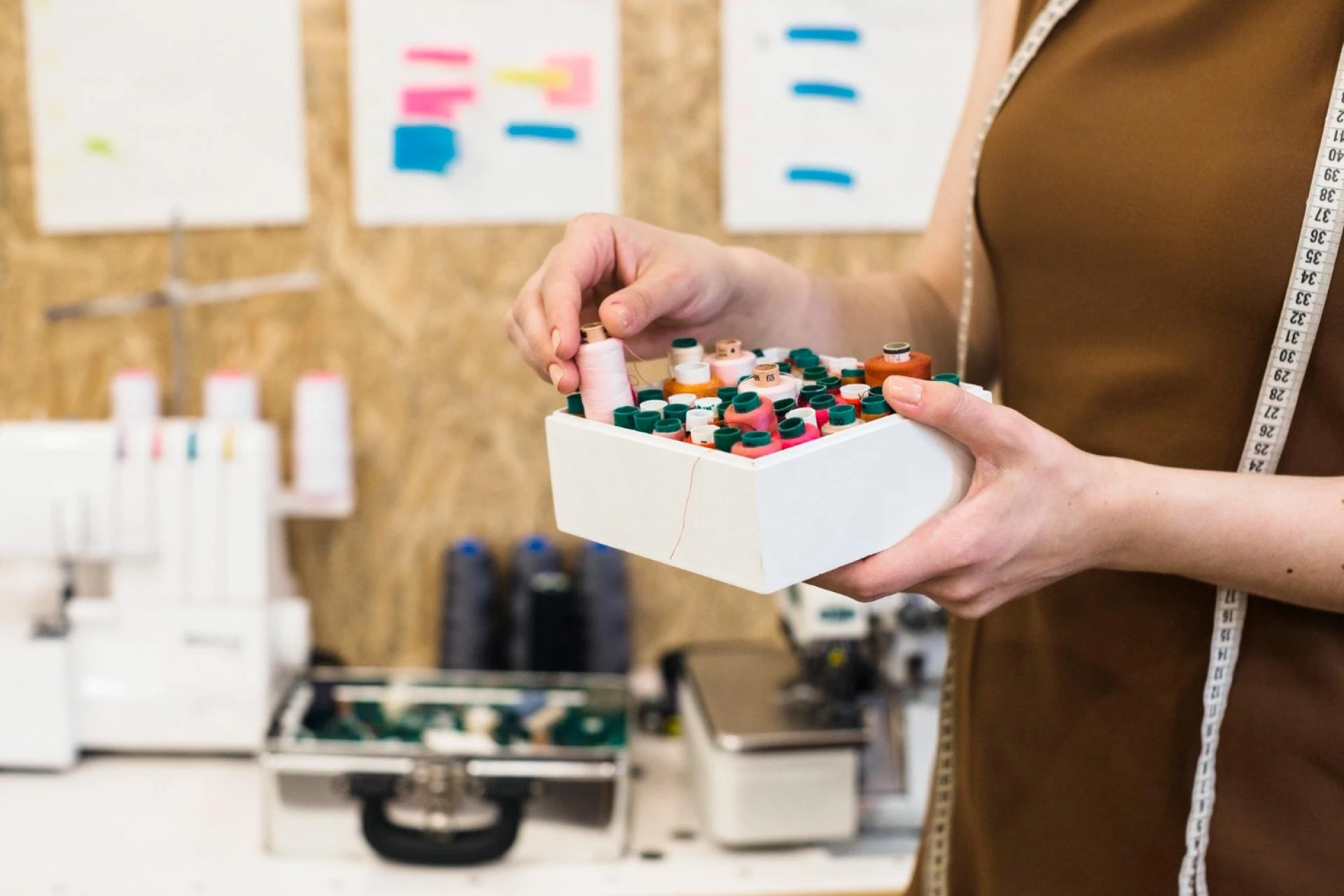

Whether you’re a beginner learning basic stitches or an experienced sewist who enjoys quick DIY projects, having a well-organized sewing box can make your work much easier. A sewing box acts as your personal toolkit, keeping all essential tools and supplies in one convenient place so you can quickly start or finish small sewing tasks at home.
Many people think sewing supplies require a large craft room or complex storage systems, but in reality, most everyday sewing projects only require a handful of tools. A properly stocked sewing box ensures you can repair clothing, adjust hems, replace buttons, or work on small creative projects without searching for missing supplies.
If you’re setting up a sewing kit for the first time or reorganizing your current tools, understanding what to include in a sewing box is the first step toward efficient and enjoyable sewing.
Why Every Sewist Needs a Sewing Box
A sewing box isn’t just about storage; it’s about convenience and efficiency. When your tools are properly organized, you save time and avoid frustration when working on projects.
Having a dedicated sewing box helps you:
- Keep sewing tools organized and easy to access
- Prevent losing small items like needles and pins
- Quickly fix clothing repairs when needed
- Maintain a portable sewing kit for travel or emergencies
Many sewing enthusiasts prefer sewing boxes because they allow them to keep all tools in one place while protecting delicate supplies from damage.
If you’re unsure about which type of storage solution works best, it can help to explore different styles and features before choosing one. For example, this detailed guide on the best sewing box options for organizing your sewing supplies explains how different sewing boxes can improve your sewing workflow and storage efficiency.
Essential Tools to Keep in Your Sewing Box
A sewing box doesn’t need to be overly complicated. In fact, most everyday sewing tasks require only a small collection of essential tools. Here are the must-have items every sewing box should contain.
1. Hand Sewing Needles
Hand sewing needles are the most fundamental item in any sewing kit. Different projects require different types of needles, so it’s helpful to keep a variety of sizes.
Common needle types include:
- Universal hand sewing needles for general repairs
- Sharps for precise stitching
- Embroidery needles for decorative work
Storing needles in a needle case or magnetic holder inside your sewing box keeps them organized and prevents accidental loss.
2. Quality Sewing Thread
Thread is another essential supply for everyday sewing projects. A small set of basic thread colors will cover most clothing repairs.
Recommended thread colors include:
- Black
- White
- Gray
- Navy
- Beige
These colors match most fabrics and allow you to complete common repairs like hemming pants, fixing seams, or attaching buttons.
Choose high-quality polyester or cotton thread for durability and smooth stitching.
3. Fabric Scissors
Fabric scissors are one of the most important tools in your sewing box. Unlike regular scissors, fabric shears are designed to cut cleanly through cloth without damaging fibers.
Always reserve your fabric scissors exclusively for cutting fabric. Using them on paper or other materials can dull the blades and reduce their effectiveness.
If space allows, keep a small pair of thread snips as well. These are useful for trimming loose threads during sewing.
4. Pins and Pin Cushion
Pins are essential for holding fabric pieces together before stitching. They help maintain alignment and accuracy while sewing.
Most sewing boxes include:
- Straight pins
- A small pin cushion
- Sometimes safety pins for quick clothing fixes
A magnetic pin holder is another convenient option because it keeps pins securely in place and prevents them from falling out of your sewing box.
5. Seam Ripper
Even experienced sewists make mistakes, which is why a seam ripper is a must-have tool in every sewing box.
A seam ripper allows you to carefully remove stitches without damaging fabric. It’s particularly useful when correcting sewing errors, adjusting seams, or removing old thread from garments.
Despite its small size, a seam ripper can save hours of frustration during sewing projects.
6. Measuring Tape
Accurate measurements are essential in sewing. A flexible measuring tape helps ensure proper sizing and alignment when working on clothing or fabric projects.
You can use a measuring tape to:
- Measure hems
- Check seam allowances
- Adjust clothing fit
- Plan small sewing projects
Because measuring tapes are flexible and compact, they fit perfectly inside most sewing boxes.
7. Thimble
A thimble may seem old-fashioned, but it remains a valuable tool for hand sewing. It protects your finger while pushing needles through thick fabrics such as denim or canvas.
Many beginners skip this tool at first, but once you start working with heavier fabrics, a thimble becomes incredibly useful.
8. Buttons and Spare Notions
Keeping spare buttons and small notions in your sewing box can help you quickly repair clothing when needed.
Useful items to include:
- Spare buttons
- Hook-and-eye fasteners
- Snap buttons
- Small pieces of elastic
These items take up very little space but can save the day when a garment suddenly needs repair.
Optional Items That Make Sewing Easier
While the basic tools listed above are enough for most projects, some additional items can make sewing more convenient.
Optional supplies include:
- Fabric chalk or marking pens
- Needle threader
- Small ruler
- Mini iron-on patches
- Small fabric scraps for testing stitches
Adding a few of these items to your sewing box can improve efficiency and expand the types of projects you can complete.
How to Organize Your Sewing Box
Even the best sewing box can become cluttered if supplies aren’t organized properly. Creating a simple organization system will help keep your tools easy to find.
Consider organizing your sewing box by category:
- Top tray: Needles, pins, seam ripper, and small tools
- Middle section: Thread spools and measuring tape
- Bottom compartment: Scissors, spare buttons, and extra supplies
This layered approach keeps frequently used tools within reach while allowing larger items to remain neatly stored below.
For inspiration on choosing the right type of sewing box for your needs, you can explore this helpful resource on how to choose the best sewing box for organizing sewing supplies efficiently. It highlights practical storage designs that work well for both beginners and experienced sewists.
Keeping Your Sewing Box Ready for Quick Repairs
One of the biggest benefits of having a sewing box is being able to handle quick clothing repairs without delay.
When your sewing box is properly stocked, you can easily:
- Fix loose buttons
- Repair small tears
- Adjust clothing hems
- Reinforce seams
These small tasks often take only a few minutes but can extend the life of your clothing and save money on replacements.
Many people discover that a well-organized sewing box quickly becomes one of the most useful toolkits in the house.
Final Thoughts
A sewing box is one of the simplest yet most valuable tools for anyone who sews. By keeping essential supplies like needles, thread, scissors, pins, and measuring tape organized in one place, you can complete everyday sewing projects quickly and efficiently.
Whether you enjoy crafting, repairing clothes, or learning beginner sewing skills, having a properly stocked sewing box ensures you’re always prepared. With just a few carefully selected tools and a little organization, your sewing box can become the perfect companion for creative projects and quick repairs alike.
If you’re building your sewing kit for the first time or looking for better storage ideas, exploring different sewing box designs can also help improve how you organize your tools and supplies for everyday use.






















Sign in to leave a comment.