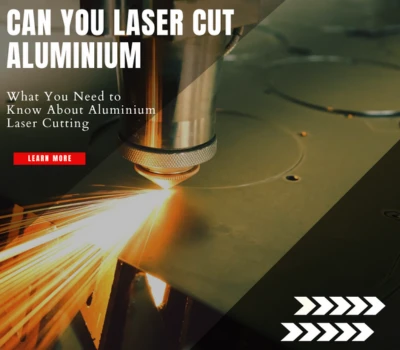

Aluminium has earned a distinct place in the field of precise manufacturing and fabrication. Its lightweight yet strong characteristics, as well as its outstanding thermal and electrical conductivity, make it a desirable material for a wide range of applications, from aerospace and automotive to electronics and consumer goods. As technology advances, one issue frequently arises: Can you laser cut aluminium? This article delves into the intricacies of aluminium sheet laser cutting, exploring its feasibility, benefits, challenges, and best practices.
The Feasibility of Aluminium Laser Cutting
The short answer is yes, aluminium can be laser cut. However, the process of laser cutting aluminium presents unique challenges compared to other materials. Aluminium's high reflectivity and excellent thermal conductivity can pose difficulties during laser cutting, as they tend to dissipate the laser's energy and may result in reduced efficiency or altered cutting characteristics.
To overcome these challenges, specialised laser cutting systems equipped with appropriate optics and techniques are employed. These systems are designed to optimize laser absorption and cutting performance for aluminium.
Benefits of Aluminium Laser Cutting
Aluminium laser cutting offers a plethora of advantages, making it a preferred choice for various industries:
Precision and Intricacy: Laser cutting provides unmatched precision, allowing for intricate and complex designs with minimal tolerances. This precision is particularly crucial in industries where small variations can impact performance and functionality.
Speed and Efficiency: Laser cutting aluminium can be incredibly fast and efficient, reducing production times and increasing overall productivity. The high cutting speeds enable manufacturers to meet tight deadlines without compromising quality.
Minimal Material Waste: Laser cutting minimizes material wastage due to its narrow kerf width and the ability to closely nest parts. This contributes to cost-effectiveness and sustainability.
Clean Edges and Minimal Post-Processing: Aluminium laser cutting produces clean, smooth edges, reducing the need for extensive post-processing and finishing.
Versatility: Laser cutting can accommodate a wide range of aluminium alloys, thicknesses, and sizes, making it suitable for various applications.
Challenges and Considerations
While aluminium laser cutting offers numerous benefits, it's essential to address the challenges associated with the process:
Reflectivity and Thermal Conductivity: Aluminium's high reflectivity can lead to energy loss, requiring optimised laser systems to ensure efficient cutting. The excellent thermal conductivity can cause heat to spread, potentially affecting the precision of the cut.
Oxidation and Surface Quality: Aluminium readily forms an oxide layer on its surface, which can affect the quality of the cut. Special measures, such as using nitrogen gas during cutting, are employed to mitigate oxidation-related issues.
Focusing and Beam Characteristics: Achieving optimal focus and beam characteristics is crucial for successful aluminium laser cutting. Adjusting parameters like focus distance and beam shape helps ensure precise cuts.
Material Thickness: Thicker aluminium sheets may require higher laser power and longer processing times. Finding the right balance between cutting speed and quality is essential.
Best Practices for Aluminium Laser Cutting
To achieve optimal results when laser cutting aluminium, consider these best practices:
Use Specialised Laser Systems: Employ laser cutting systems specifically designed for cutting aluminium. These systems are equipped with features to enhance absorption and overcome reflectivity challenges.
Gas Assist: Utilize gas assist, such as nitrogen, to reduce oxidation during cutting. This helps maintain the quality of the cut and minimizes the formation of dross.
Optimize Parameters: Fine-tune laser power, cutting speed, focus distance, and other parameters to achieve the desired cut quality and efficiency.
Clean and Maintain Optics: Regularly clean and maintain the laser optics to ensure consistent performance and avoid issues related to reflectivity.
Conclusion
Aluminium laser cutting is indeed feasible and Fused Fabrications offers a myriad of benefits, including precision, efficiency, versatility, and minimal material waste. While challenges such as reflectivity and thermal conductivity exist, specialised laser systems and best practices can overcome these hurdles. Manufacturers and fabricators who harness the potential of aluminium laser cutting unlock new possibilities for creating intricate designs and high-quality components across diverse industries. As technology continues to advance, the synergy between aluminium and laser cutting promises a future where precision and innovation seamlessly converge.



















Sign in to leave a comment.