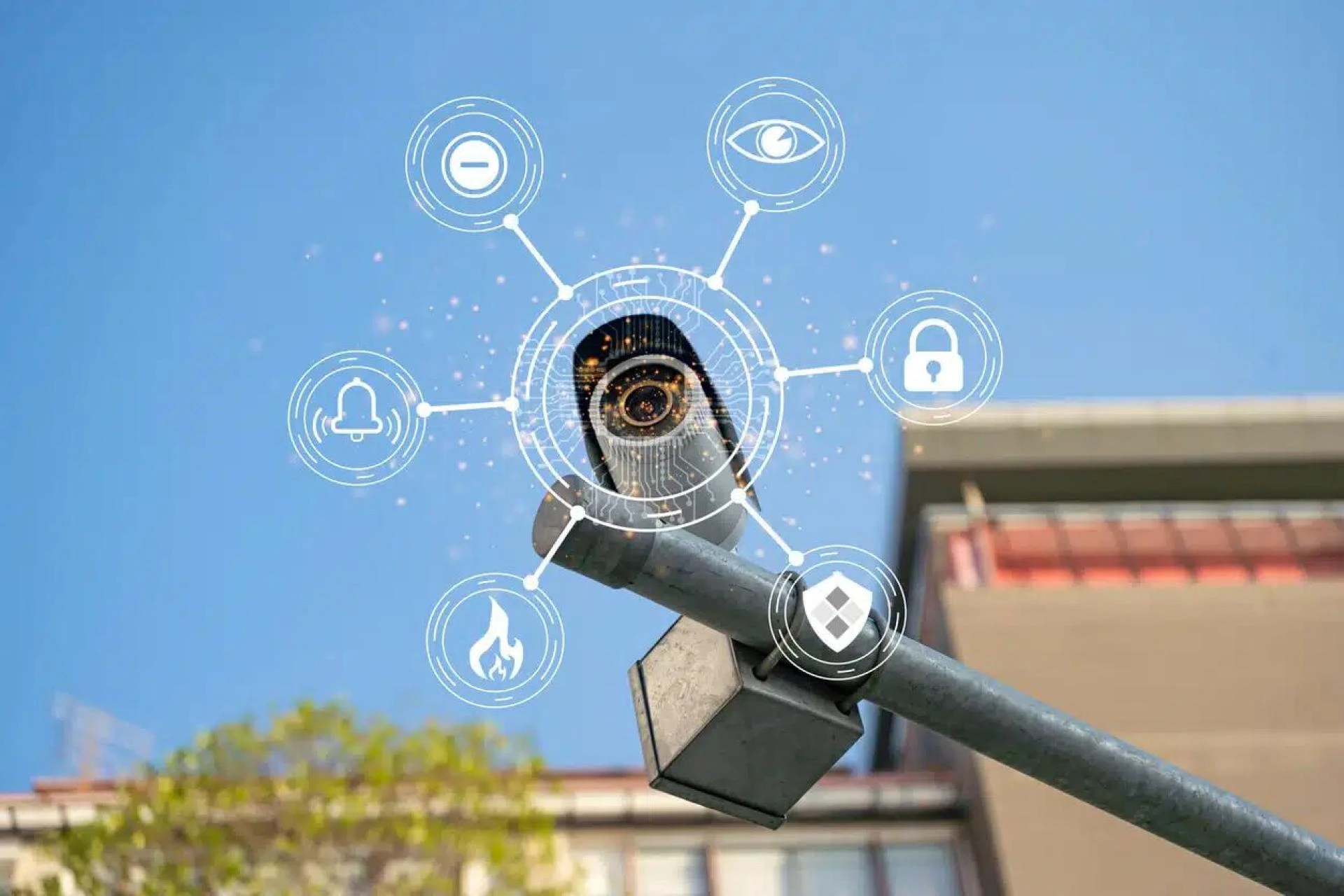

In today's security-conscious world, the importance of reliable surveillance systems cannot be overstated. With technological advancements, the debate between wireless and wired video surveillance cameras has become increasingly relevant. This article aims to dissect the nuances of both systems, helping you make an informed decision for your security needs.
Understanding Wired Video Surveillance Cameras
The Traditional Choice: Wired Cameras
Wired surveillance cameras have been the traditional choice for many years. These cameras are connected to a central recording device via cables, typically coaxial or Ethernet. The wired connection ensures a stable and consistent video feed, which is crucial for high-risk environments like banks, government buildings, and large retail stores.
Advantages of Wired Cameras
Reliability and Stability: Wired connections are less susceptible to interference and signal issues, making them more reliable than their wireless counterparts.High-Quality Video: Wired cameras often support higher video quality due to the stable connection.Scalability: For large installations, wired systems can be scaled relatively easily, albeit with additional cabling.Challenges with Wired Systems
Installation Complexity: Installing wired cameras involves significant cabling, which can be intrusive and labor-intensive.Limited Flexibility: Once installed, these cameras are hard to reposition without additional cabling work.Aesthetics and Accessibility: In certain environments, the presence of cables can be unsightly or impractical.Exploring Wireless Video Surveillance Cameras
The Rise of Wireless Solutions
Wireless video surveillance cameras have gained popularity due to their flexibility and ease of installation. These cameras use Wi-Fi or other wireless networks to transmit video data, eliminating the need for physical cables.
Advantages of Wireless Cameras
Ease of Installation: With no cabling required, wireless cameras are easier and often cheaper to install.Flexibility: Wireless cameras can be repositioned as needed without concern for cable lengths.Aesthetically Pleasing: Without visible cables, wireless cameras blend more seamlessly into their environment.Challenges with Wireless Cameras
Dependence on Wireless Signals: These cameras rely on stable Wi-Fi or other wireless networks, which can be subject to interference and range issues.Battery Life: Battery-powered wireless cameras require regular charging or battery replacement.Potential Security Risks: Wireless systems can be more vulnerable to hacking compared to wired systems.Comparative Analysis
When deciding between wired and wireless video surveillance cameras, consider factors like installation environment, budget, and specific security requirements. Wired cameras might be more suitable for environments where high-quality, uninterrupted video is crucial. Conversely, wireless cameras are ideal for areas where flexibility and minimal installation impact are priorities.
Modern surveillance systems often integrate with other security measures, such as motion sensors, alarm systems, and access control systems. Both wired and wireless cameras can be part of a comprehensive security solution, depending on the compatibility and requirements of the overall system.
The Role of Video Surveillance Signs
Incorporating "video surveillance signs" can be a strategic addition to your security setup. These signs serve as a deterrent to potential intruders, making them aware that the area is under surveillance. Whether you choose wired or wireless cameras, the presence of these signs can enhance the effectiveness of your security measures.
Conclusion
Choosing between wireless and wired video surveillance cameras depends on various factors, including installation constraints, security needs, and budget. Wired cameras offer reliability and high-quality video, making them suitable for high-security environments. Wireless cameras, on the other hand, provide flexibility and ease of installation, ideal for residential and small business settings. Regardless of your choice, the addition of video surveillance signs can further bolster your security efforts, deterring potential threats and enhancing peace of mind.

























Sign in to leave a comment.