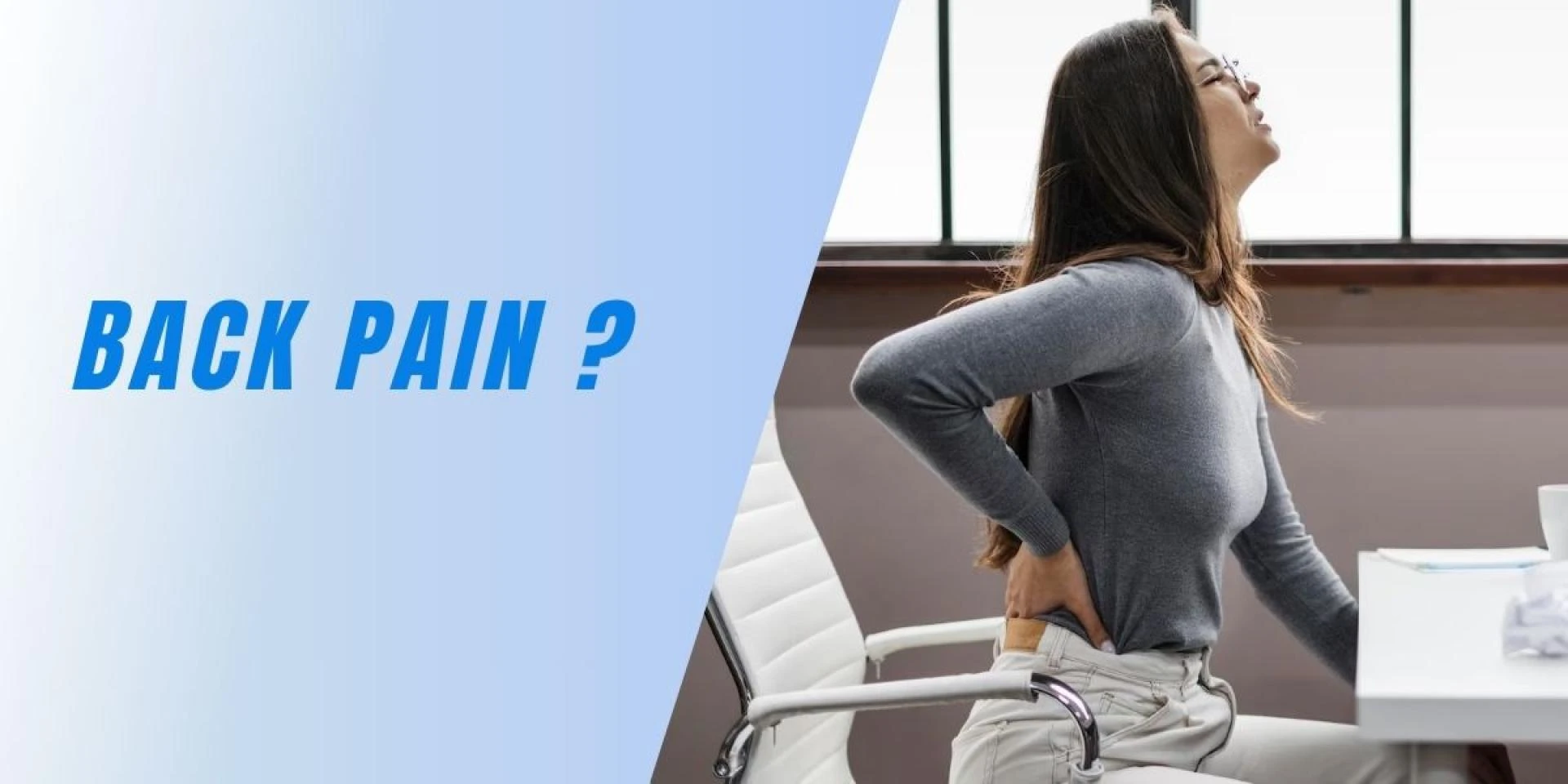

We’ve all experienced some level of back pain after a long day on our feet, an awkward sleep position, or overdoing it at the gym. Usually, we shrug it off, stretch a little, maybe take an over-the-counter painkiller, and hope that rest will do the trick.
But what happens when rest doesn’t work?
What if movement keeps getting harder, and the pain lingers longer than it should?
Back and neck pain that refuses to fade isn’t just frustrating, it could be your body signaling that something deeper is wrong. Understanding when pain is more than temporary is the first step to preventing long-term damage and getting your life back on track.
Not All Spine Pain Is the Same
It’s easy to assume that all back pain comes from the same causes: bad posture, poor lifting form, or maybe age. But your spine is a complex structure, and pain in this area can be caused by several underlying issues, some simple, others far more serious.
In some cases, rest may delay recovery or allow a condition to worsen.
That’s why identifying the type and pattern of your discomfort is key. For example:
- Sharp, shooting pain may indicate a herniated disc or pinched nerve.
- A dull, persistent ache might stem from degenerative disc disease.
- Tingling or numbness in the limbs could point to nerve compression.
- Pain that worsens with activity can signal spinal stenosis or joint problems.
Understanding the nature of your pain can help determine whether it’s a short-term strain or a red flag.
When Rest Stops Helping
So, how can you tell if your spine needs more than a weekend of rest and recovery? Here are several signs it’s time to look beyond simple solutions:
1. Pain Lasts Longer Than Two Weeks
Acute pain from strain or poor posture usually resolves on its own in a week or two. If yours sticks around or keeps coming back, you may be dealing with something more structural.
2. Pain Is Interfering with Your Daily Life
Struggling to bend over, drive, sleep, or even sit comfortably? These aren’t normal long-term symptoms. If daily tasks are becoming difficult, it's time to dig deeper.
3. You Notice Numbness or Weakness
Numbness, tingling, or a “pins and needles” feeling, especially in the arms or legs, can indicate nerve irritation or damage. Muscle weakness is another serious sign that your spine may be affecting your nervous system.
4. Home Treatments Aren’t Working
You’ve tried stretching, ice, heat, OTC meds, and even a few rounds of physical therapy. If relief is temporary or nonexistent, it’s probably time to see a specialist.
5. You’re Developing New Symptoms
Spine issues don’t always stay in one place. Pain can radiate to the shoulders, arms, hips, or legs. If new symptoms develop, it may suggest worsening conditions such as spinal instability or disc degeneration.
The Risks of Waiting Too Long
Waiting to seek help may seem harmless, especially if you’re managing the pain for now. But delaying a diagnosis can sometimes allow damage to spread or worsen.
Some conditions, like herniated discs or spinal stenosis, become more difficult to treat the longer they go unaddressed. In rare cases, untreated spinal problems can lead to permanent nerve damage, mobility loss, or even issues with bladder and bowel control.
In short: The sooner you get answers, the better your chances of a full recovery.
When to Seek a Spine Specialist
General doctors can help with basic spine assessments and short-term care, but when pain is persistent or complex, a specialist can offer the targeted support you need.
Here’s when you should consider seeing a spine expert:
- You’ve had pain for more than 2–4 weeks with no improvement
- Your pain is affecting your sleep, mood, or work
- You’ve tried conservative treatments with no success
- You’re experiencing neurological symptoms (numbness, weakness, loss of balance)
Spine specialists use advanced imaging and diagnostic tools to pinpoint the exact source of your pain, and they can tailor treatment to your specific condition and lifestyle.
What Kind of Treatments Are Available?
The good news? Seeing a spine specialist doesn’t mean surgery is inevitable. In fact, most patients improve with non-surgical care plans that might include:
- Targeted physical therapy
- Anti-inflammatory injections
- Posture correction and spine-strengthening programs
- Lifestyle changes to reduce strain and improve mobility
Surgery is usually considered a last resort, and today’s minimally invasive options mean quicker recovery and fewer risks when it is necessary.
Living with Pain Isn’t the Only Option
It’s easy to normalize pain, especially if it builds up slowly. Maybe you've told yourself, “It’s just stress,” or “I’m getting older.” But here’s the truth: chronic pain doesn’t have to be your new normal.
Taking control starts with listening to your body. If it hurts to move, if rest isn't working, or if you're changing your lifestyle to work around your pain, it's time to stop guessing and start healing.
The right specialist can help you find the path back to a healthier, pain-free life, whether it’s through physical therapy, minimally invasive techniques, or something as simple as a posture adjustment with long-term support.
Conclusion
Back pain might be common, but that doesn’t make it harmless. When pain persists, spreads, or starts affecting how you live your life, it’s time to move beyond rest and seek real answers. Trusted Orthopedic spine surgeons in St. Louis can evaluate your condition and guide you toward personalized, effective solutions so you can get back to living without limitations.





























Sign in to leave a comment.