
If your ENT specialist has just mentioned FESS or endoscopic sinus surgery and your first reaction was to open Google and type "how much is this going to cost me" — that's completely normal. Most patients feel the same mix of relief (finally, a fix for the constant blocked nose and headaches) and worry (what's this going to do to my wallet). Let's break it down honestly, without the jargon, the way a friend in the medical field would explain it to you.
What Exactly Is Functional Endoscopic Sinus Surgery?
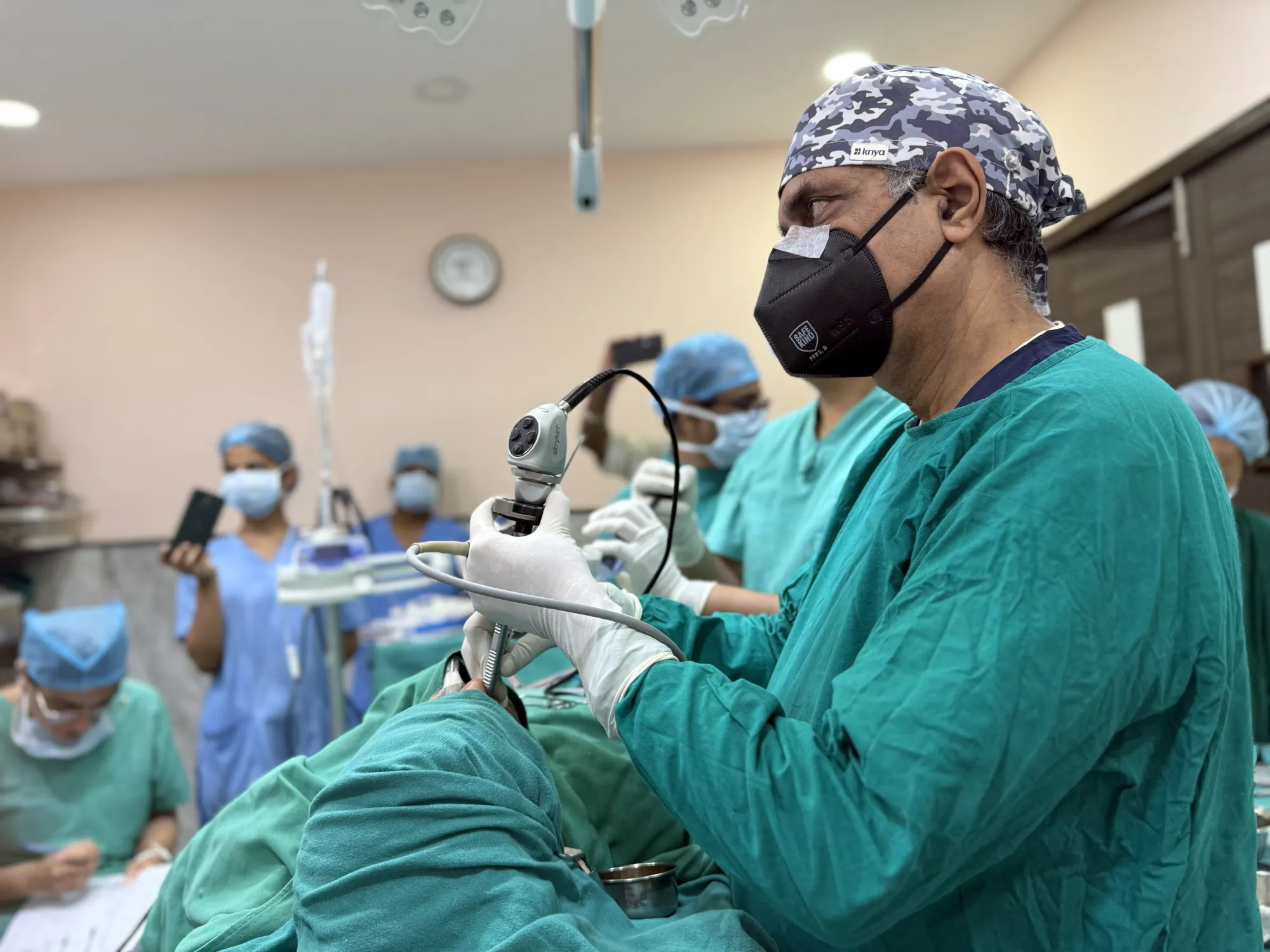
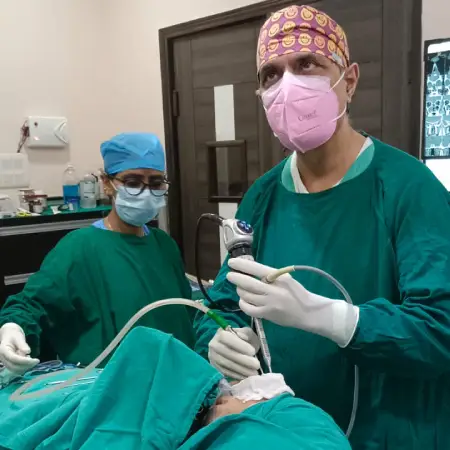
Functional Endoscopic Sinus Surgery, or FESS, is a minimally invasive procedure used to treat chronic sinusitis, nasal polyps, and persistent nasal blockages that haven't improved with medication. Instead of cutting through skin, the surgeon passes a thin telescope (endoscope) through the nostrils to see inside the sinuses on a screen, then clears out the blockage, inflamed tissue, or polyps causing your symptoms. There are no external cuts and no visible scars, which is why recovery tends to be quicker than people expect.
At Medfirst ENT Centre, this is one of the most commonly performed procedures, mainly because chronic sinus issues are so common across Indian cities — pollution, dust, seasonal allergies, and long-standing untreated colds all add up over the years.
Endoscopic Sinus Surgery Cost in India — The Real Numbers
This is usually the first thing people search for, so let's not bury it under paragraphs of fluff.
In India, endoscopic sinus surgery cost typically ranges between ₹30,000 and ₹1,50,000, depending on the hospital, the city, and how complex your case is. For a straightforward FESS procedure without complications, many patients pay somewhere in the ₹45,000 to ₹80,000 range. If septoplasty (correcting a deviated septum) or turbinate reduction is done at the same time, or if all sinuses need to be opened rather than just a few, the cost naturally moves toward the higher end.
Here's what usually makes up that final bill:
- Surgeon's fee – depends on the surgeon's experience and reputation
- Hospital charges – operation theatre, anaesthesia, and room type (general ward, semi-private, or private)
- Pre-surgery tests – CT scan of the sinuses (₹2,000–₹7,000), diagnostic nasal endoscopy (₹1,500–₹3,500), and routine blood work
- Anaesthesia type – general anaesthesia usually costs more than local/sedation-based approaches
- Post-op care – nasal sprays, antibiotics, follow-up visits, and sometimes a nasal douching kit
A quick, honest note: no responsible clinic will give you an exact figure without first examining your CT scan and understanding your specific condition. Anyone quoting a fixed price without seeing your reports first is skipping a step that actually matters.
Why the Cost Varies From City to City
If you've compared prices between Delhi, Mumbai, Bengaluru, and a smaller city like Indore or Nagpur, you've probably noticed a real gap. Metro hospitals tend to charge more because of higher overheads, advanced imaging equipment, and surgeons with niche sub-specialisation. Smaller cities can offer the same procedure for less, but the trade-off is sometimes fewer options if complications arise. It's less about "cheaper is worse" and more about matching your case's complexity to the right kind of setup.
What Makes FESS at Medfirst ENT Centre Different
A lot of patients come to us after months of nasal sprays, antibiotics, and home remedies that only gave temporary relief. What we focus on is getting the diagnosis right before anything else — a proper nasal endoscopy and CT evaluation so the surgery, if needed, is planned precisely rather than as a one-size-fits-all approach.
Some things patients regularly mention after their procedure here:
- Clear, upfront cost breakdown before the surgery date is fixed, so there are no last-minute surprises
- Use of modern endoscopic equipment for better visualisation and fewer complications
- Realistic recovery guidance instead of vague "you'll be fine in a few days" promises
- Support with insurance documentation, since FESS is usually covered when medically necessary
Recovery: What to Actually Expect
Most patients go home the same day or after one night of observation. Nasal congestion in the first week is normal — it's your body's natural healing response, not a sign that something's gone wrong. Steam inhalation and saline nasal rinses help significantly. Full relief in breathing generally builds up over four to six weeks as swelling settles. Heavy lifting, forceful nose-blowing, and strenuous workouts are usually restricted for a couple of weeks.
Is FESS Covered by Insurance?
In most cases, yes — since chronic sinusitis is a medical condition and not cosmetic, most health insurance policies in India cover FESS when a doctor documents it as medically necessary. Coverage details differ by insurer, so it's worth getting pre-authorisation sorted before your surgery date rather than after.
Conclusion:
Chronic sinus problems quietly affect quality of life more than people admit — disturbed sleep, constant fatigue, missed workdays. If medication hasn't given lasting relief, FESS is a well-established, low-risk option worth discussing with a qualified ENT surgeon. The cost is genuinely manageable in India compared to most countries, and with the right clinic, it's a transparent process from diagnosis to recovery.
FAQs
1. What is the average endoscopic sinus surgery cost in India?
On average, FESS costs between ₹30,000 and ₹1,50,000 in India, with most straightforward cases falling in the ₹45,000–₹80,000 range, depending on the city and hospital.
2. Is Functional Endoscopic Sinus Surgery painful?
The procedure itself is done under anaesthesia, so there's no pain during surgery. Mild discomfort, facial pressure, or headache for a few days afterward is common and manageable with prescribed medication.
3. How long does recovery take after FESS?
Most people resume light routine work within a week, while full relief in nasal breathing typically develops over four to six weeks as internal swelling reduces.
4. Does insurance cover endoscopic sinus surgery in India?
Yes, in most cases, since it's a medically necessary procedure for chronic sinusitis, though coverage terms vary by insurance provider and policy.
5. Is FESS a permanent solution for sinusitis?
For most patients, symptoms improve significantly and long-term, but recurrence is possible, especially with allergies or ongoing exposure to pollution, so occasional follow-up care matters.
6. How is FESS different from traditional sinus surgery?
FESS is minimally invasive, performed through the nostrils with no external cuts, unlike traditional open sinus surgery which involves incisions and a longer recovery period.
7. Do I need a CT scan before FESS surgery?
Yes, a CT scan of the sinuses is a standard requirement before FESS, as it helps the surgeon map out the exact areas needing treatment and plan the procedure accurately.


























Sign in to leave a comment.