

Heart-related symptoms can sometimes be difficult to interpret. A feeling of tiredness, chest discomfort, a racing heartbeat, or shortness of breath may have many possible causes. When a healthcare professional needs more information about how the heart is working, diagnostic tests can provide valuable insights. Two commonly used tests are the echocardiogram test and the electrocardiogram test.
Although both tests evaluate the heart, they measure different things. An echocardiogram creates images of the heart using ultrasound, while an electrocardiogram records the heart's electrical activity. Knowing when these tests may be considered can help people better understand their role in cardiovascular evaluation.
What Is an Echocardiogram Test?
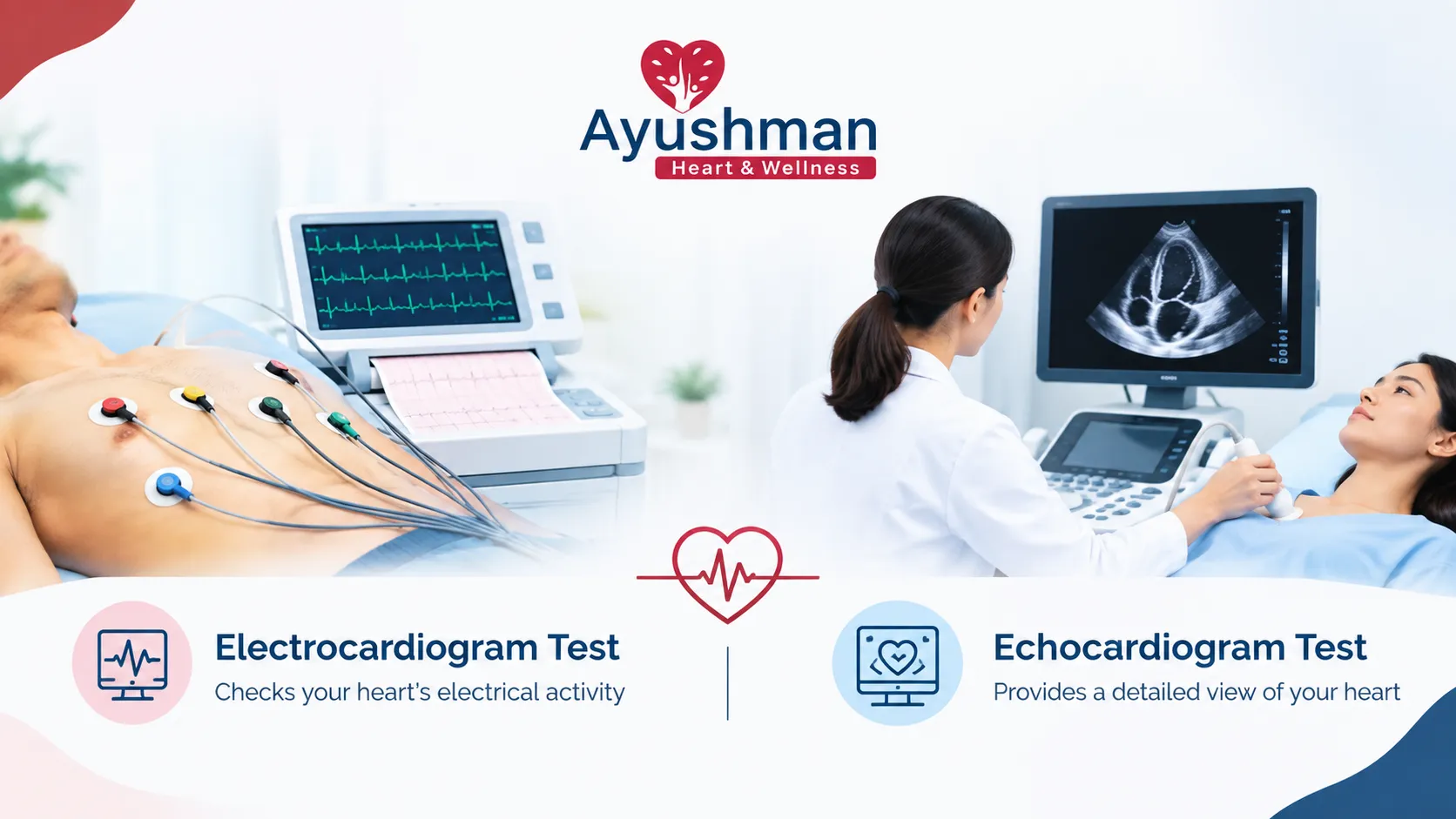
An echocardiogram is a non-invasive imaging test that uses sound waves to create moving pictures of the heart. It allows healthcare professionals to observe the heart chambers, valves, walls, and overall pumping function.
Unlike an X-ray, a standard echocardiogram does not use ionizing radiation. During the procedure, a technician places a small amount of gel on the chest and moves an ultrasound transducer over different areas. The device sends sound waves into the body and receives echoes that are converted into images.
An echocardiogram can provide information about:
- Heart chamber size and structure
- Heart muscle movement
- Heart valve structure and function
- Blood flow through the heart
- Overall pumping performance
- Certain structural abnormalities
Because it provides visual information, an echocardiogram can be particularly useful when a healthcare professional wants to examine the physical and mechanical aspects of the heart.
What Is an Electrocardiogram Test?
An electrocardiogram, commonly called an ECG or EKG, is a test that records the electrical signals generated by the heart. These signals control the timing of heart contractions and help maintain a regular heartbeat.
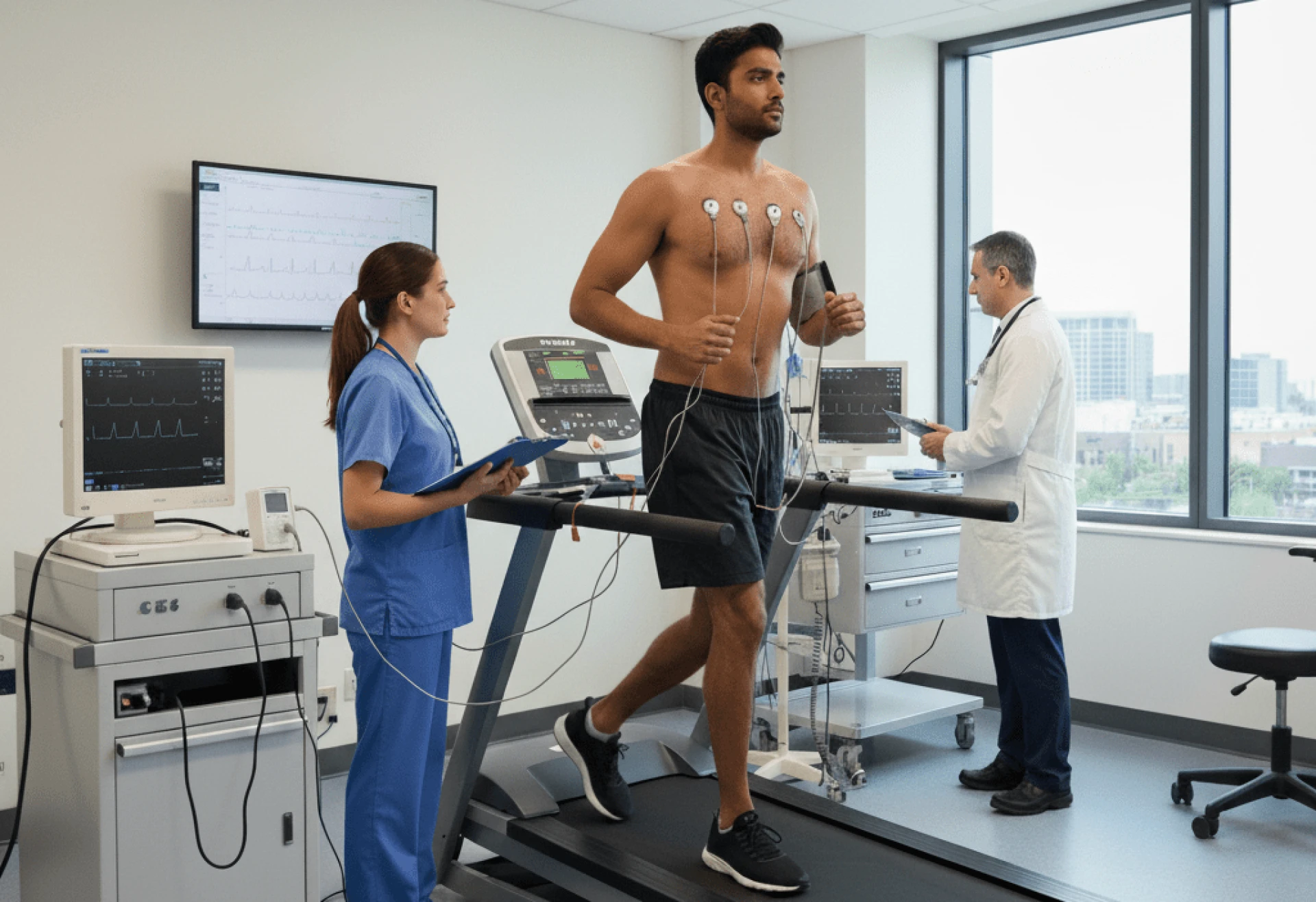
During an ECG, small adhesive electrodes are placed on specific areas of the chest, arms, and legs. The electrodes detect electrical activity and transmit the information to an ECG machine, which produces a tracing of the heart's electrical patterns.
An electrocardiogram can help assess:
- Heart rate
- Heart rhythm
- Electrical conduction
- Certain abnormal rhythms
- Some patterns that may indicate heart muscle stress or injury
A standard ECG is quick, non-invasive, and generally takes only a few minutes.
When Should You Consider an Echocardiogram Test?
An echocardiogram may be considered when a healthcare professional needs to examine the heart's structure or pumping function. The decision is usually based on symptoms, medical history, physical examination findings, or other test results.
1. When There Are Unexplained Heart Symptoms
Symptoms such as persistent shortness of breath, unexplained fatigue, swelling, or reduced exercise tolerance may prompt further heart evaluation. An echocardiogram can help assess whether structural or functional changes in the heart could be contributing to these symptoms.
2. When a Heart Murmur Is Detected
A heart murmur is an unusual sound heard through a stethoscope. Some murmurs are harmless, while others can be associated with heart valve problems.
An echocardiogram can provide images of the heart valves and help evaluate their movement and function.
3. When Valve Problems Are Suspected
Heart valves regulate the direction of blood flow through the heart. If a healthcare professional suspects narrowing, leakage, or another valve abnormality, an echocardiogram may be useful for evaluating the valves and their effect on heart function.
4. When Heart Pumping Function Needs Evaluation
An echocardiogram can help estimate how effectively the heart is pumping blood. This information can be important when evaluating symptoms or monitoring certain known heart conditions.
5. When Previous Tests Suggest a Structural Concern
Sometimes another examination or diagnostic test raises a question about the heart's structure. In such cases, an echocardiogram may be recommended to provide additional visual information.
When Should You Consider an Electrocardiogram Test?
An electrocardiogram is especially useful when the concern involves the heart's electrical activity or rhythm.
1. When You Experience Palpitations
Palpitations may feel like a racing, fluttering, pounding, or skipped heartbeat. An ECG can record the heart's rhythm and may help identify certain electrical abnormalities.
Because some rhythm problems occur intermittently, a standard ECG may not always capture an abnormal rhythm. In those situations, a healthcare professional may consider longer-term heart rhythm monitoring.
2. When There Is Chest Discomfort
Chest discomfort can have many causes, some of which are unrelated to the heart. However, because certain heart problems can cause chest symptoms, an ECG may be part of the evaluation when clinically appropriate.
Sudden or severe chest pain, especially when accompanied by shortness of breath, sweating, nausea, fainting, or pain spreading to the arm, back, neck, or jaw, requires urgent medical attention.
3. When You Experience Dizziness or Fainting
Dizziness or fainting can have several possible causes. In some situations, an ECG can help determine whether an abnormal heart rhythm or electrical problem could be contributing to the symptoms.
4. Before Certain Medical Procedures
Depending on a person's age, health history, symptoms, and the type of procedure, a healthcare professional may recommend an ECG before surgery or another medical intervention.
5. During Evaluation of Known Heart Conditions
People with certain cardiovascular conditions may undergo ECG testing as part of ongoing evaluation or monitoring. The frequency of testing depends on the specific condition and the healthcare professional's recommendations.
Echocardiogram Test vs Electrocardiogram Test: Which One Do You Need?
The answer depends on what your healthcare professional is trying to evaluate.
An echocardiogram test primarily provides information about the heart's physical structure and mechanical function. It can show the chambers, valves, heart muscle movement, and aspects of blood flow.
An electrocardiogram test primarily evaluates electrical activity. It can provide information about heart rate, rhythm, and electrical conduction.
These tests are therefore complementary rather than interchangeable. A healthcare professional may recommend one test, the other, or both depending on the symptoms and clinical situation.
| Factor | Echocardiogram Test | Electrocardiogram Test |
| Main purpose | Evaluates heart structure and function | Evaluates electrical activity |
| Technology | Ultrasound | Electrodes and electrical signal recording |
| Shows | Moving images of the heart | Electrical waveform |
| Useful for | Valves, chambers, pumping function | Heart rate and rhythm |
| Radiation | No radiation in a standard test | No radiation |
| Typical procedure time | Generally longer than an ECG | Usually only a few minutes |
Can Both Tests Be Recommended?
Yes. In some situations, using both tests can provide a more complete assessment.
For example, if a person has symptoms such as palpitations and shortness of breath, an ECG may help evaluate the heart's rhythm while an echocardiogram may provide information about the heart's structure and pumping function.
The tests answer different clinical questions, so having both can sometimes help healthcare professionals build a clearer picture of cardiovascular health.
How Should You Prepare for These Tests?
Preparation depends on the specific type of test and the healthcare facility's instructions.
For a standard ECG, patients can generally eat and drink normally unless instructed otherwise. It can be helpful to wear clothing that allows easy access to the chest, arms, and ankles for electrode placement.
For a standard echocardiogram, preparation is usually straightforward. Patients may typically eat and drink normally, although specialized forms of echocardiography may have different preparation requirements.
Always follow the instructions provided by the healthcare professional or diagnostic center.
Frequently Asked Questions
Is an echocardiogram better than an ECG?
Neither test is universally better. They evaluate different aspects of heart health. An echocardiogram focuses on structure and function, while an ECG focuses on electrical activity and rhythm.
Does an ECG show heart structure?
A standard ECG does not create images of the heart's physical structure. It records electrical activity. Imaging tests such as echocardiography are used to evaluate heart structure.
Does an echocardiogram check heart rhythm?
An echocardiogram can show the heart beating and provide information about its mechanical function, but an ECG is specifically designed to record electrical activity and evaluate heart rhythm.
Are echocardiograms and ECGs painful?
Both are generally non-invasive. An ECG involves placing electrodes on the skin, while an echocardiogram involves moving an ultrasound transducer over the chest. Some pressure or mild skin discomfort may occur, but significant pain is not expected during standard testing.
Should everyone get an echocardiogram or ECG routinely?
Not necessarily. The need for cardiac testing depends on symptoms, medical history, risk factors, physical examination findings, and clinical judgment. A healthcare professional can determine whether testing is appropriate.
Conclusion
An echocardiogram test and an electrocardiogram test can both play important roles in evaluating heart health, but they serve different purposes. An echocardiogram provides visual information about the heart's structure, valves, movement, and pumping function, while an ECG records electrical activity and helps evaluate heart rate and rhythm. If you experience concerning cardiovascular symptoms or have been advised to undergo cardiac testing, discussing your symptoms and medical history with a qualified healthcare professional is an important first step. For more information about cardiac evaluation and heart-care services, Ayushman Heart & Wellness can be a useful resource.


























Sign in to leave a comment.