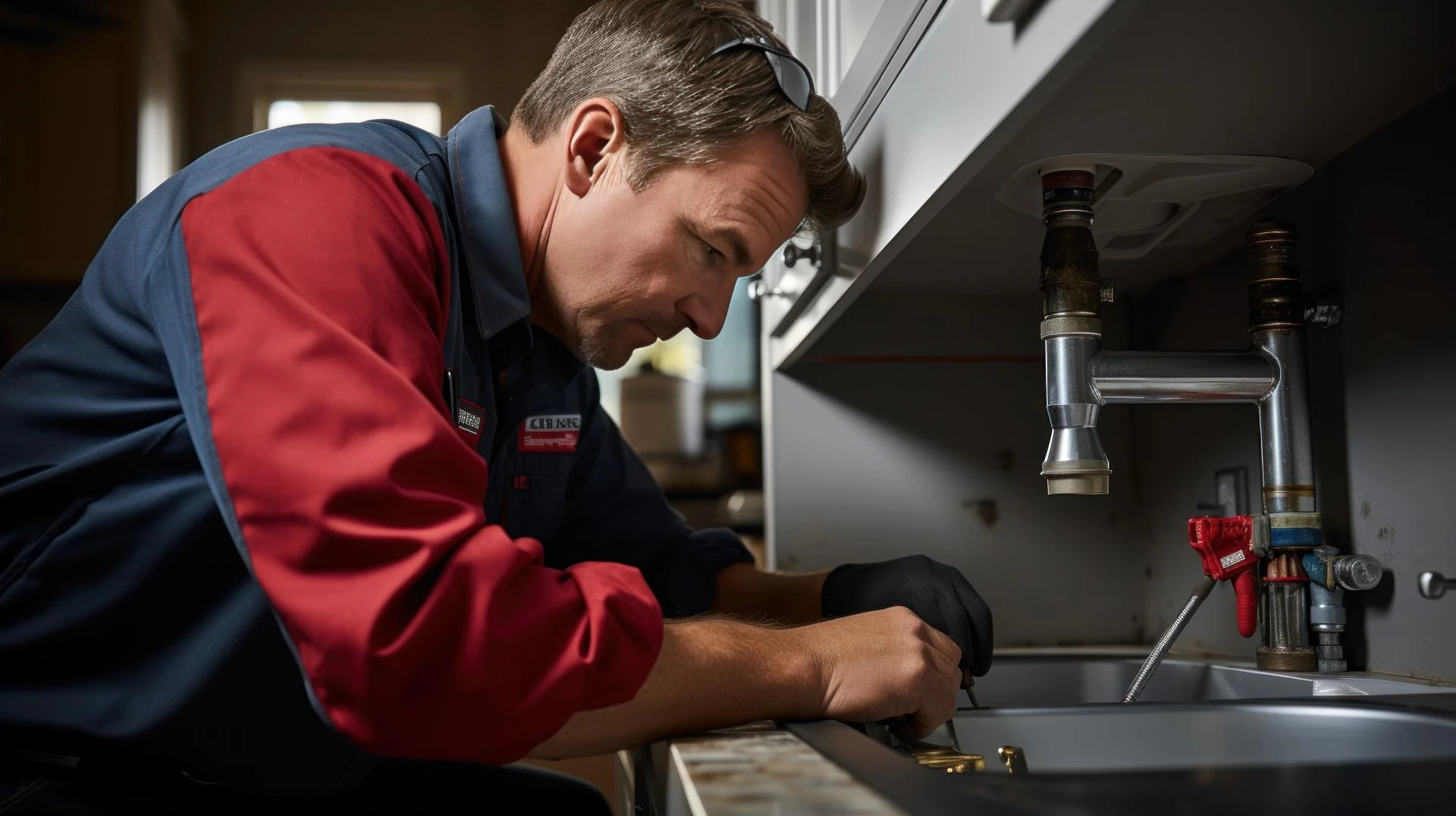

Plumbing problems are common in every home, but deciding whether to repair or replace a fixture can be tricky. Some issues can be fixed quickly, while others may require a full replacement to avoid future trouble. The right decision depends on the age, condition, and cost of the repair. Understanding when to repair and when to replace can help homeowners save money and ensure their plumbing system works efficiently.
1. When to Repair a Plumbing Fixture
Not every plumbing issue requires a replacement. Many minor problems can be solved with quick repairs, which are usually cheaper and less time-consuming.
Leaky Faucets and Pipes
A small leak in a faucet or pipe can often be repaired by tightening connections or replacing a washer. If the leak is minor and the fixture is in good condition, repairing it is the best choice.
Slow Draining Sink or Shower
If your sink or shower drains slowly, the problem might be a clog. In most cases, using a plunger, drain snake, or chemical cleaner can fix the issue. If clogs happen frequently, you might need plumber services for a professional cleaning.
Running Toilets
A toilet that keeps running usually has a worn-out flapper or faulty fill valve. These small parts can be replaced easily without changing the entire toilet.
Minor Pipe Leaks
If a pipe has a small crack or hole, it can sometimes be sealed with plumber’s tape or epoxy. However, if leaks continue, a replacement might be needed.
2. When to Replace a Plumbing Fixture
Sometimes, repairing a fixture is just a temporary fix. If the problem keeps coming back or the fixture is too old, replacing it is the better option.
Old and Rusty Pipes
If your pipes are old and corroded, repairs won’t last long. Rusty pipes can cause water contamination and leaks. Replacing them with newer materials like PEX or copper is a safer and more durable solution.
Frequent Toilet Repairs
If you have repaired your toilet multiple times and problems keep returning, it may be time for a new one. Older toilets also use more water, so replacing them with a modern, water-efficient model can help reduce water bills.
Water Heater Issues
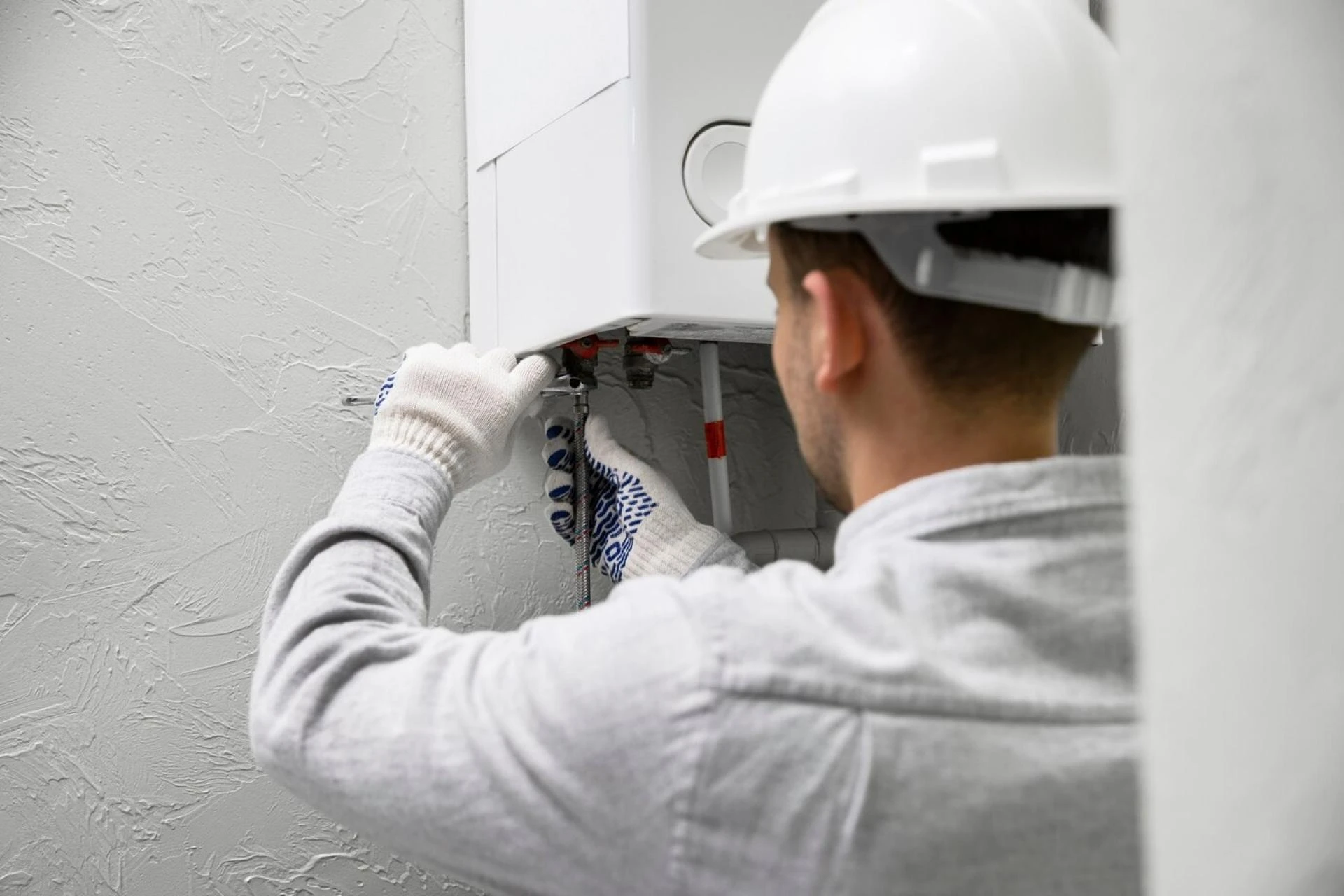
If your water heater is more than 10 years old and needs frequent repairs, replacing it is a wise choice. Newer models are more energy-efficient, saving you money in the long run. Plumber services can help you install a new unit safely.
Burst Pipes
A burst pipe is a serious problem that usually requires immediate replacement. A temporary fix won’t hold for long, and ignoring the issue can cause major water damage.
3. Cost Considerations
When deciding between repair and replacement, cost is an important factor. If repairs cost more than half the price of a new fixture, replacing it is usually the better option. Additionally, investing in a new fixture can save money on future repairs and energy bills.
Final Thoughts
Knowing when to repair or replace plumbing fixtures can save homeowners time and money. Small issues like minor leaks and clogs can often be fixed, but old and damaged fixtures should be replaced to prevent bigger problems. If you're unsure about the best choice, hiring plumber services can help you make an informed decision and ensure your plumbing system stays in top shape.





























Sign in to leave a comment.