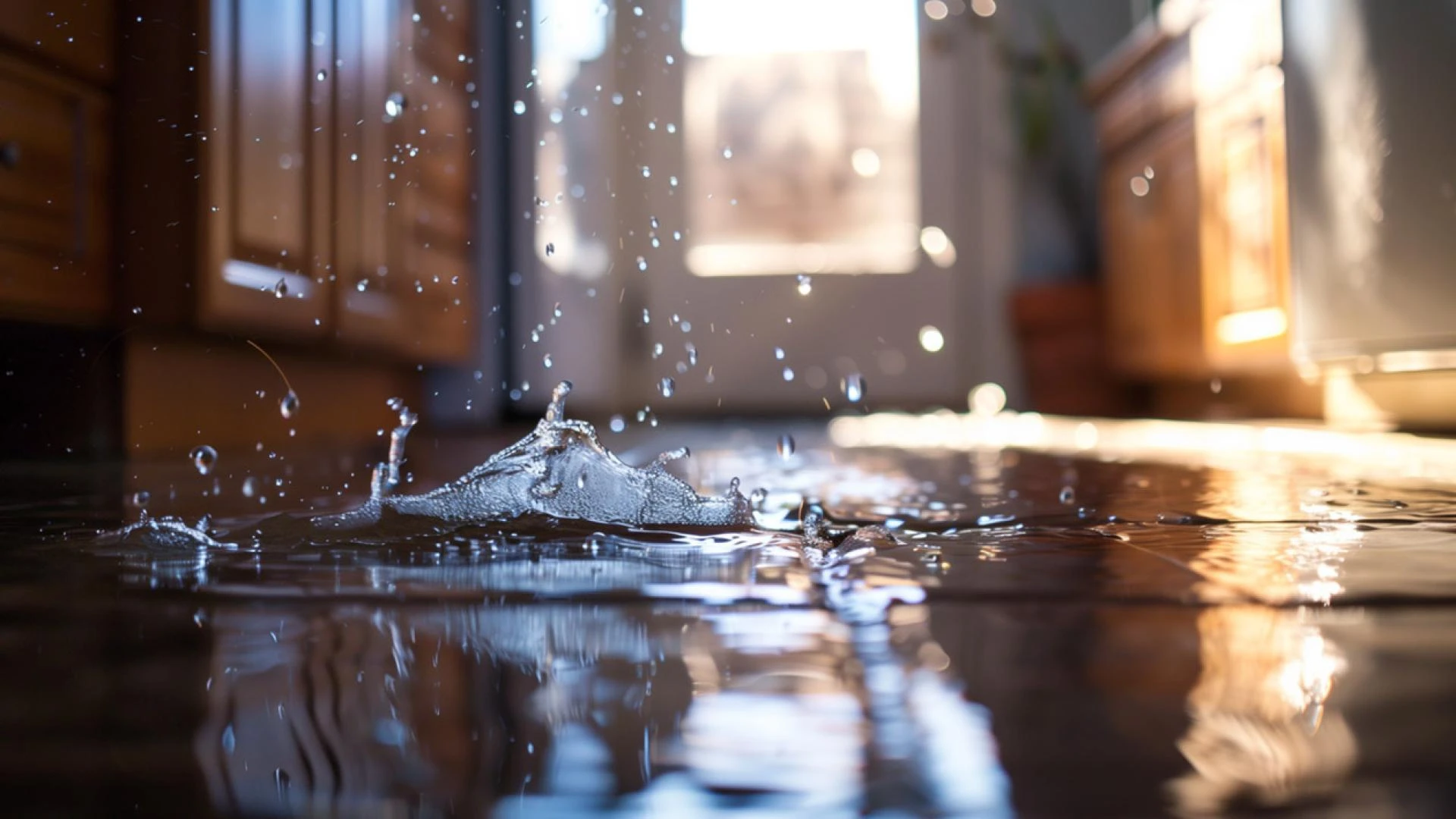

Water leaks inside a home can lead to serious problems like mould, weak walls, high water bills, and damaged furniture. Even a small drip, if left untreated, can cost a lot over time. Leaks are often hidden and go unnoticed until it’s too late. That’s why it’s important to keep an eye on your plumbing system and fix any signs of water leakage quickly.
Old or Rusted Pipes
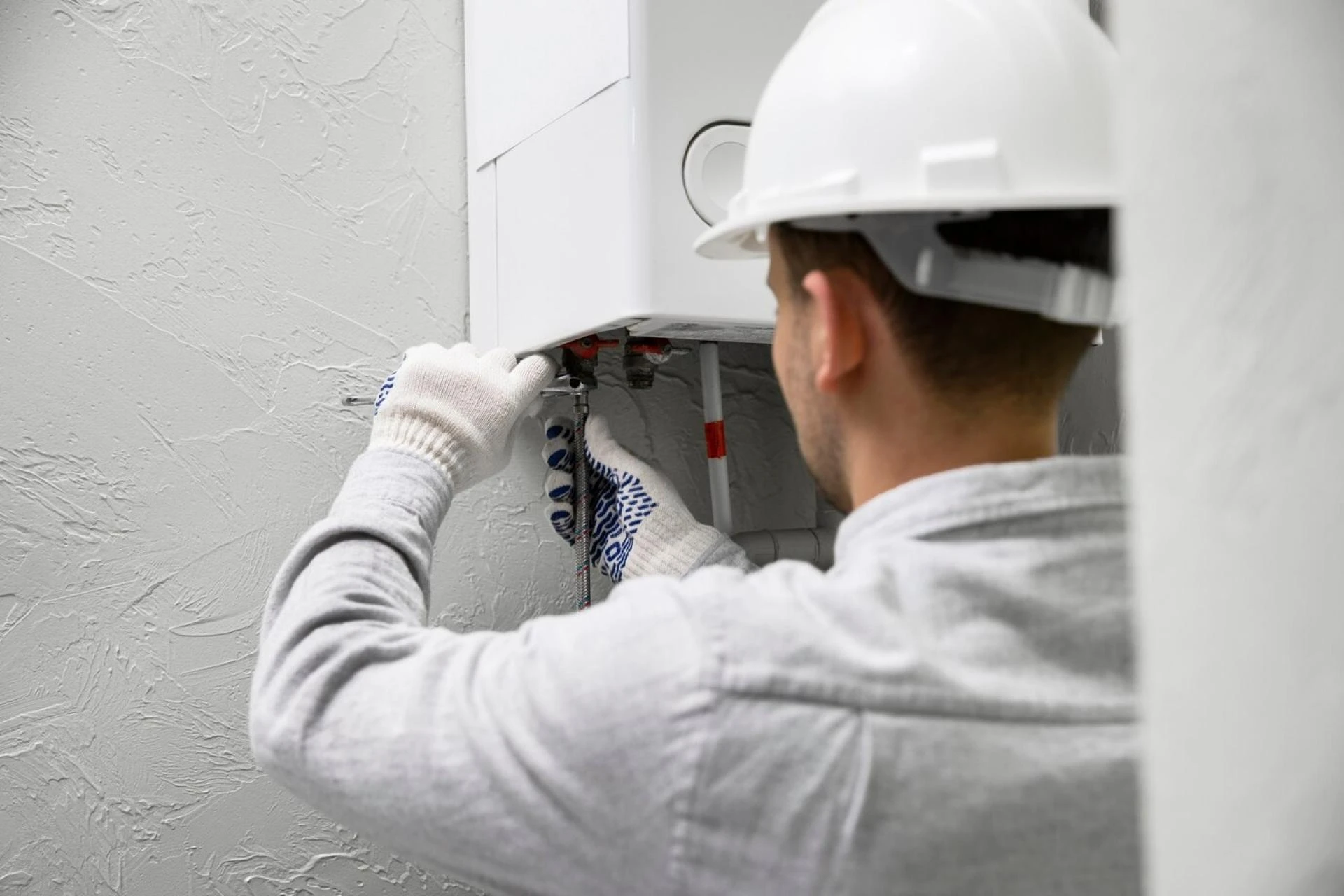
Pipes do not last forever. Over the years, metal pipes can rust, crack, or become thin. When that happens, small holes may appear and water starts to leak. Many homes still have old piping hidden behind walls and floors. A residential plumber can check the condition of your pipes and replace the damaged ones before a leak turns into a flood.
Prevention Tip: If your home is more than 20 years old, ask a residential plumber to inspect your pipes. Regular check-ups can help catch rust or damage early.
Loose Pipe Connections
Pipes are joined together at many places in your plumbing system. If these joints or connectors become loose, they start leaking water. This usually happens under sinks, behind washing machines, or where appliances are attached. You might see water stains or dripping in those areas.
Prevention Tip: Check under your sinks and behind appliances every few months. If you notice any dampness or water stains, call a residential plumber to tighten or replace the connection.
High Water Pressure
While strong water pressure may feel great in the shower, it can harm your plumbing. If the pressure is too high, it puts extra stress on pipes, which can cause them to burst or crack. Many people don’t realise their water pressure is too strong until a leak happens.
Prevention Tip: A residential plumber can test your water pressure and install a pressure-reducing valve if needed. This helps protect your pipes and prevents surprise leaks.
Clogged Drains
Blocked drains can cause water to build up in the pipes. Over time, this pressure may lead to cracks or cause joints to come loose. Grease, food waste, soap, and hair are common things that clog household drains. Sometimes tree roots can also enter underground pipes and block them.
Prevention Tip: Avoid pouring grease down the sink. Use drain screens to catch hair and food particles. If your drains are slow or smell bad, contact a residential plumber to clear them safely.
Broken or Worn-Out Seals
Seals are used around water fixtures like taps, toilets, and bathtubs. These seals can wear out over time and start to leak. You may notice water collecting around the base of a tap or under a toilet. These small leaks often go unnoticed but can cause damage to wood and tiles.
Prevention Tip: If you spot mould, loose tiles, or peeling paint near a water fixture, it may be due to a leaking seal. Get a residential plumber to inspect and replace it as soon as possible.
Final Thoughts
Water leaks can happen for many reasons, but most of them can be prevented with proper care and attention. From old pipes to broken seals, the signs are often there — you just need to know where to look. A qualified residential plumber can help you find these hidden issues before they become big problems. Regular maintenance and early repairs can save your home from costly damage and keep your plumbing in top shape.



























Sign in to leave a comment.