A Site Decision That Can Make or Break Structural Safety
A project looks solid on paper until it reaches the fixing stage. You have everything ready, concrete , loads defined, and timelines are tight as usual. Yet one wrong anchoring choice can compromise everything.
Many construction delays and failures trace back to something that seems small and not so important, but it is, and that is anchor selection.
And in 2026, with heavier loads, faster builds, and stricter safety expectations, this decision matters more than ever.
So how do you know when bolt anchors are the right choice, and when they are not?
Let’s break it down in a way that actually helps you decide onsite.
Understanding Where Strength Begins in Concrete Fixing
What Makes Bolt Anchors Different
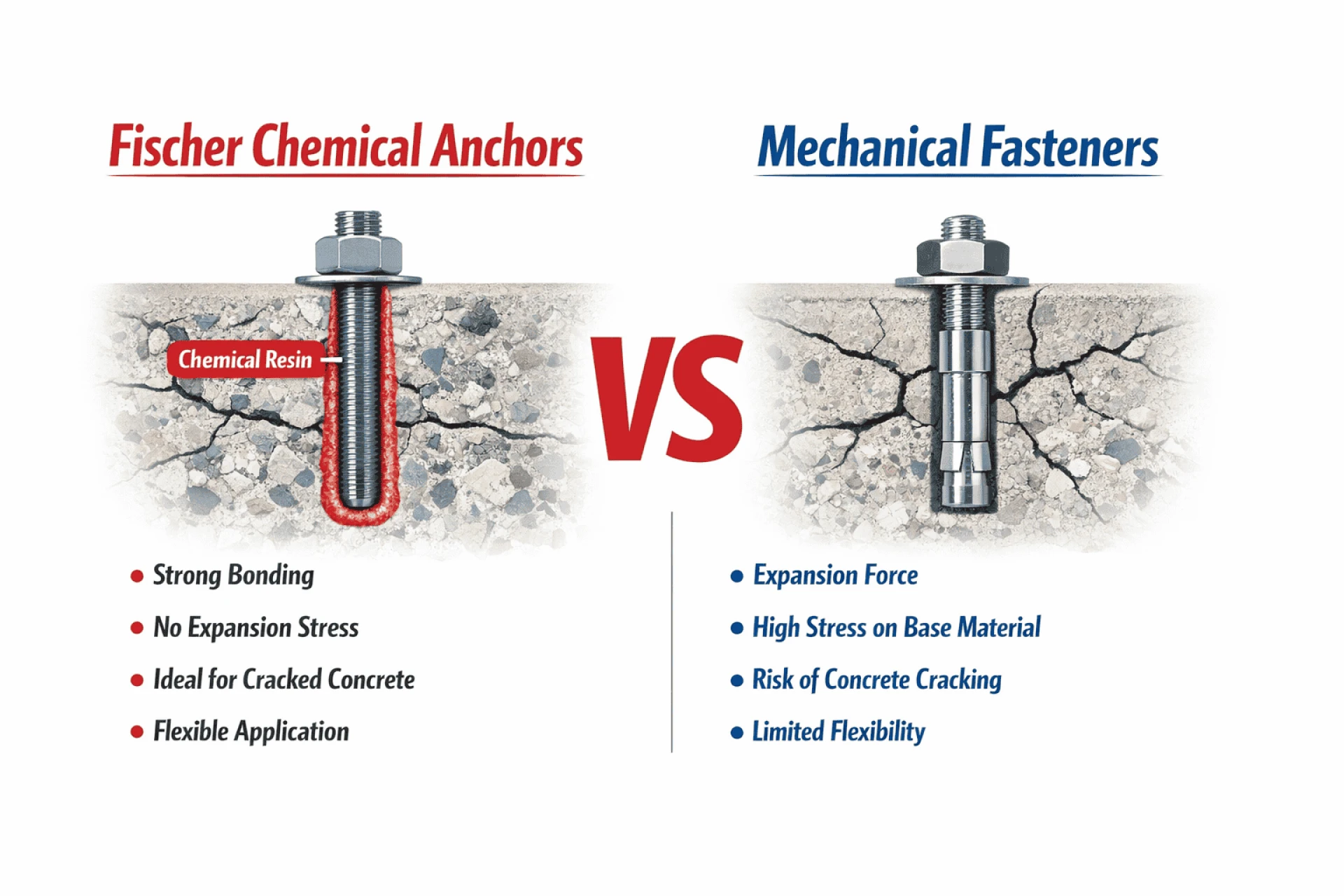
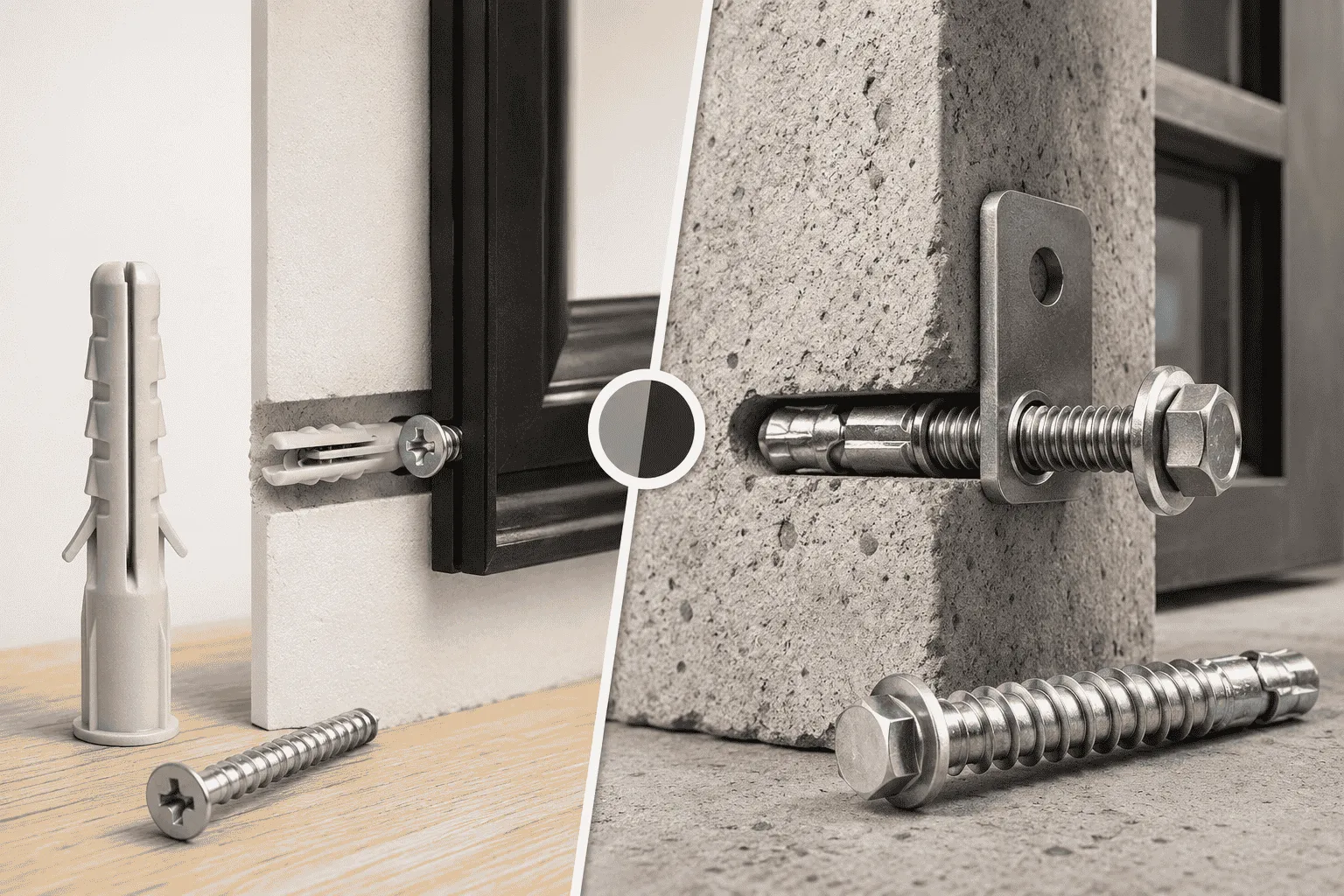
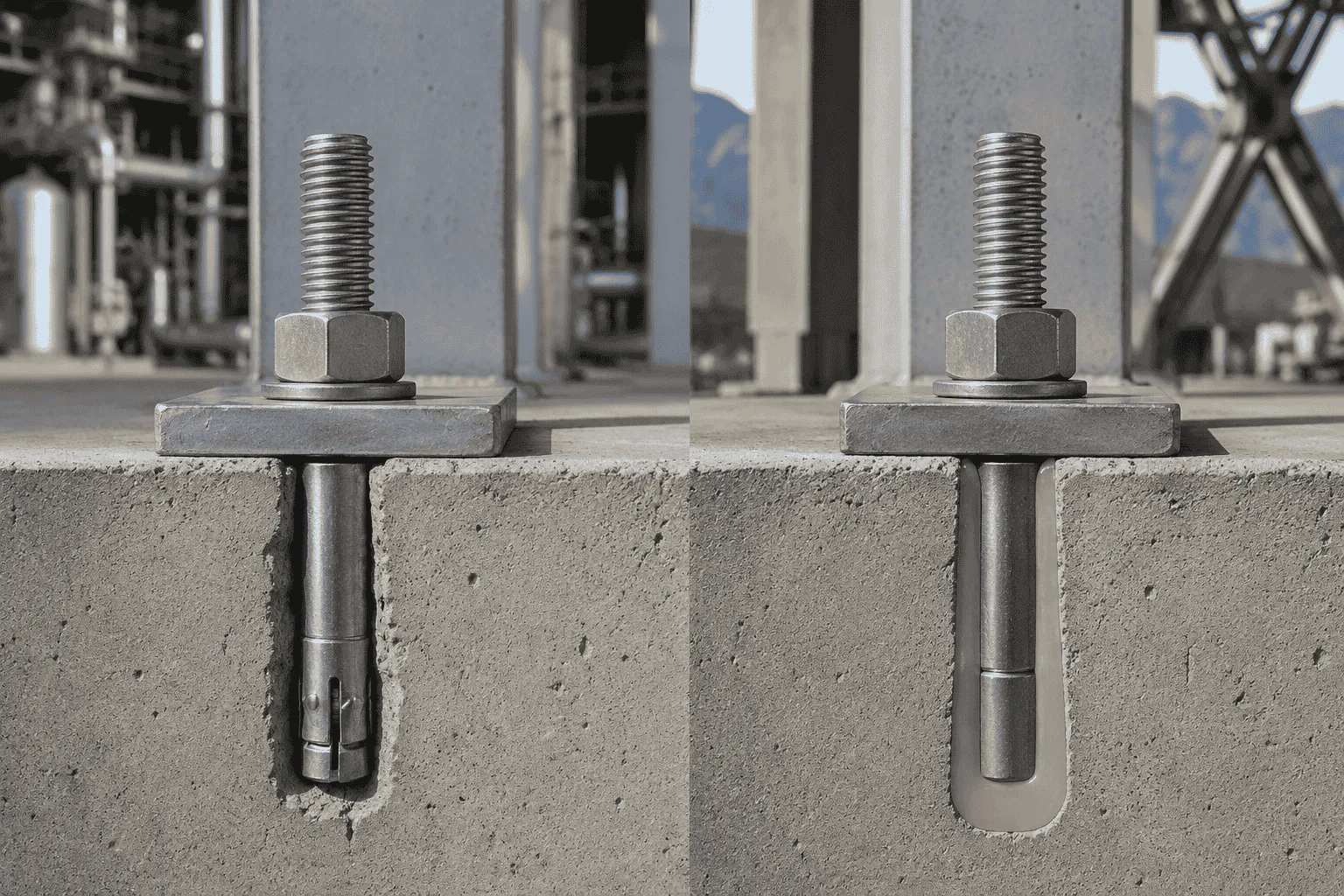
Not all concrete anchors work the same way. There is a variety in it too. Some rely on bonding, others on expansion. One of them is Bolt anchors. They are mechanical fasteners designed to expand inside drilled holes, creating a tight grip within the concrete.
Fischer anchors, especially bolt anchor systems, are engineered to provide high-load performance. They transfer force directly into the base material by a controlled expansion method.
This makes them ideal where immediate load-bearing capacity is required.
What the Data Suggests About Mechanical Anchoring
Mechanical anchoring systems are widely used in structural applications because they allow instant load application without curing time.
European Technical Assessments for anchor bolts confirm that properly installed mechanical anchors can achieve predictable load values across cracked and non-cracked concrete.
This reliability is one reason they are preferred in time-sensitive projects.
Where You See This in Real Projects
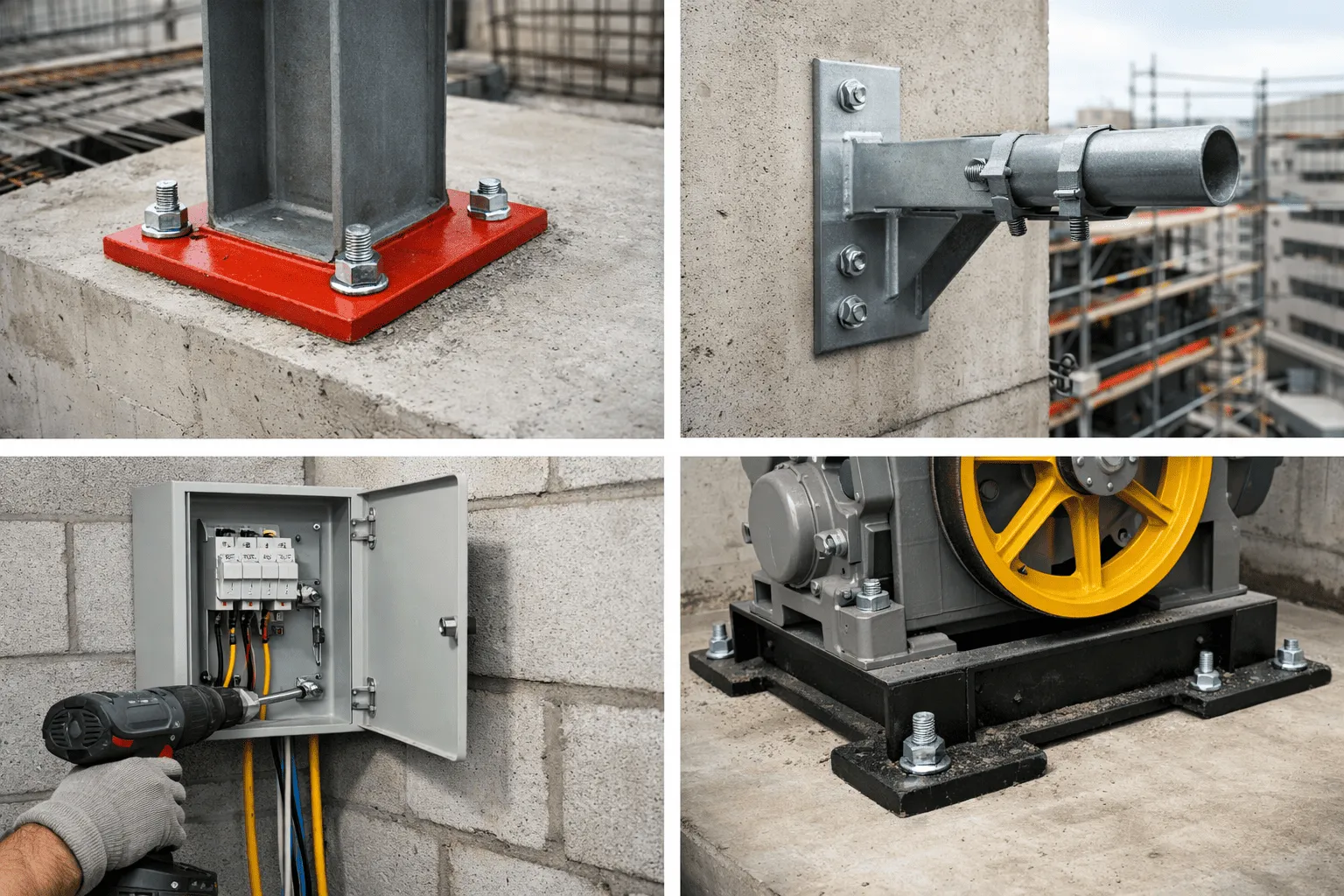
Think of steel column base plates or heavy machinery installations. In such cases, waiting is not an option.
Using bolt anchors allows immediate and onpoint fixing and load transfer. Thus helping projects stay on schedule and not increasing running costs.
If speed and immediate strength matter most to you, then mechanical anchoring becomes a very practical choice.
When Load Requirements Push You Toward Bolt Anchors
Breaking Down Load Types Simply
Every fixing faces different forces. Tension loads pull the anchor out, or shear loads try to slide it sideways.
Anchor bolts used in structural applications must handle both.
Fischer anchors are designed to manage combined loads efficiently, especially in heavy-duty environments.
What Engineering Standards Indicate
Codes such as Eurocode-based design frameworks evaluate anchors based on load categories and failure modes.
Heavy-duty concrete anchors are tested for cracked concrete conditions, which simulate real-world stress scenarios.
This ensures safety even when concrete develops microcracks over time.
Real Application on Site
Consider installing façade brackets or support frames for solar structures.
These systems face wind loads, vibration, and long-term stress.
Here, bolt anchors provide reliable performance without compromising stability.
When loads are high or unpredictable, anchor choice should lean toward tested mechanical systems.
Time Sensitivity and Installation Speed in Modern Projects
Why Installation Time Matters More Than Ever
Construction timelines are tighter than before. Delays in curing or rework can affect entire project schedules.
Unlike chemical systems, bolt anchors do not require curing time. Once installed, they are ready.
Industry Trends Supporting Faster Fixing Systems
With the rise of modular construction and prefabrication, the need for fast installation has increased.
Mechanical fischer anchors align well with these trends because they simplify on-site work.
Where This Plays Out Practically
In infrastructure upgrades or retrofitting work, downtime must be minimal.
Using anchor bolts that provide instant load capacity allows teams to complete installations quickly and safely.
When time is limited, choosing a system that reduces waiting time becomes a strategic advantage.
Choosing the Right Anchor for Different Base Materials
Not All Concrete is the Same
Concrete varies in strength, age, and condition. Some structures have cracked concrete, while others remain intact.
Concrete anchors must perform reliably in both.
Fischer anchors are tested for different base conditions, ensuring consistent performance.
What Testing and Certification Show
International approvals require anchors to perform in cracked concrete, seismic zones, and varying load conditions.
This ensures that bolt anchors can maintain holding capacity even in less-than-ideal conditions.
Real-World Scenario
Retrofitting an existing building often means working with aged or partially cracked concrete.
Here, selecting high-performance anchor bolts ensures safety without requiring structural redesign.
Understanding the base material is as important as selecting the anchor itself.
When Safety and Compliance Cannot Be Compromised
Why Certification Matters
Anchoring systems are not just about holding strength. They must meet safety standards and compliance requirements.
Fischer anchors come with certifications that validate their performance in critical applications.
What Standards Say About Anchor Performance
Approvals such as ETA ensure that anchors meet strict safety and load-bearing criteria.
This reduces the risk of failure in structural applications.
Where This Becomes Critical
In public infrastructure, industrial setups, or high-rise construction, safety margins are non-negotiable.
Using certified bolt anchors ensures that installations meet regulatory expectations.
Compliance is not an extra step. It is a core part of choosing the right fixing system.
Actionable Takeaways for Better Anchor Selection
- Use bolt anchors when you need immediate load-bearing capacity.
- Choose fischer anchors for applications requiring tested and certified performance.
- Evaluate load types before selecting between mechanical and chemical systems.
- Prefer anchor bolts in high-load and structural applications.
- Always assess the concrete condition before choosing concrete anchors.
- Factor in installation speed when working on tight timelines
The Real Question Every Project Must Answer
Anchoring is often treated as a small decision. But in reality, it holds the entire structure together.
Choosing between different concrete anchors is not just about cost or availability. It is about performance, safety, and long-term reliability.
So the next time you plan a fix, ask yourself this.
Are you choosing based on habit, or based on what the project truly demands?
Because in construction, strength does not start with concrete.
It starts with the decisions you make inside it.



























Sign in to leave a comment.