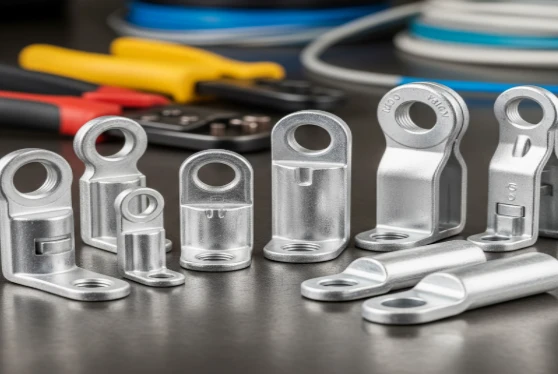

In the field of electrical engineering, the reliability of a connection is of utmost importance. The proper termination method selection is a must for safety and efficiency, whether you are operating a large industrial power distribution system or a small commercial project.
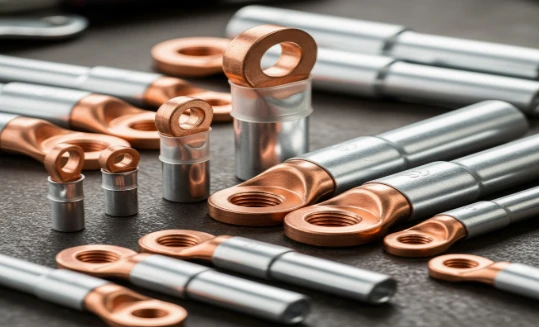
Nonferrous metals and alloys like aluminum are widely used in electrical applications due to their favorable characteristics. Aluminum compression lugs, in particular, have become the expected standard for a secure and durable bond, but a common dilemma for workers is whether to opt for a ring type or a pin-type lug.
This guide outlines the differences between them, thus facilitating the selection of the most suitable aluminum wire lugs for your particular application.
Understanding the Basics: Ring vs. Pin Type
While both types serve the fundamental purpose of terminating a conductor, their designs cater to different connection environments.
Key Features of Aluminium Lugs Ring Type
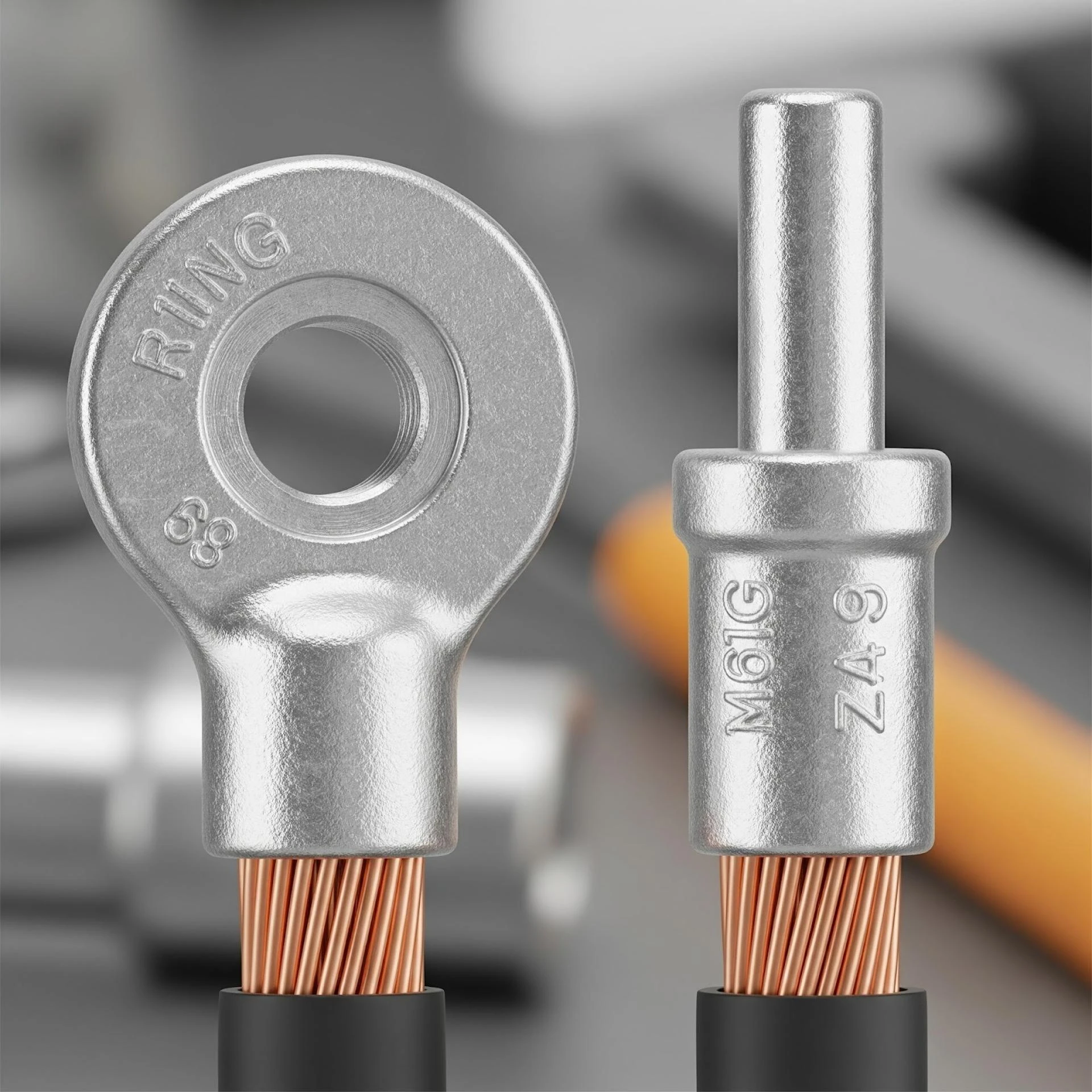
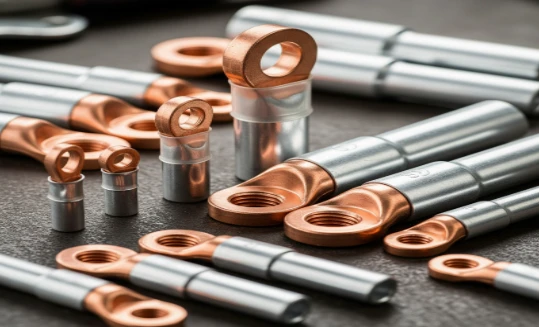
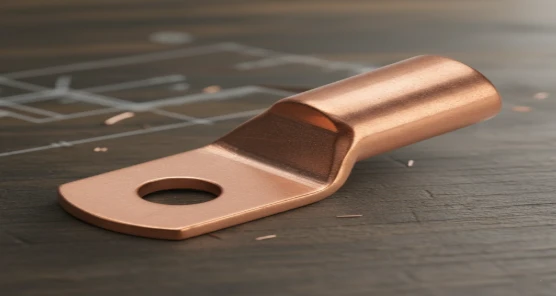
Aluminium lugs ring type are characterized by a circular hole (the "ring") at the termination end.
- Secure Connection: The closed ring design allows a screw or bolt to pass through, ensuring the lug cannot be pulled off the stud once tightened.
- Surface Area: They typically offer a wider contact surface area, which is excellent for conductivity and heat dissipation.
- Vibration Resistance: Because they are bolted down, they are highly resistant to loosening caused by vibration.
When to Choose Aluminium Pin Type Lugs
Aluminium pin type lugs feature a solid pin that mimics the shape of a wire.
- Terminal Blocks: These are specifically designed for terminating cables into mechanical terminal blocks or circuit breakers that are designed to accept a round wire or pin.
- Prevents Strand Damage: Using a pin lug prevents the splaying of aluminum wire strands, which can occur if you try to insert a bare stranded cable directly into a tunnel connector.
- Ease of Insertion: They slide easily into push-in or screw-down tunnel terminals where a bolt connection is not available.
Quick Comparison: Ring vs. Pin Type Lugs
To help you decide quickly, here is a side-by-side comparison:
Feature
Ring Type Lug
Pin Type Lug
Shape
Flat pad with a closed circular hole
Solid round pin (wire-like)
Connection Method
Bolted onto a stud or screw
Inserted into a tunnel or clamp terminal
Primary Application
Busbars, Stud terminals, Grounding
Circuit breakers, Terminal blocks, Meters
Security
High (cannot be pulled off)
Good (relies on screw/clamp pressure)
Vibration Resistance
Excellent
Moderate
Sizing and Selection
Regardless of the shape, size is critical. Using an incorrect size can lead to "hot spots" and eventual failure. It is extremely important to refer to an aluminium cable lugs size chart before making any purchase. This way, you can be certain that the barrel of the lug is precisely compatible with the conductor's gauge.
Moreover, safety compliance is a must. It is prudent to evaluate whether the components being procured meet internationally recognized safety standards, such as the ones approved by UL Connector Certification Services, to assure dependability in critical infrastructure.
Trust Pioneer Power International for Your Connections
Ultimately, the choice between aluminium pin type lugs and ring type lugs depends on your equipment. If you are connecting to a stud or busbar, the ring type is your best option in terms of security. If you are terminating into a circuit breaker or terminal block, the pin type is probably required.
At Pioneer Power International, we understand the nuances of electrical connectivity. We manufacture high-quality, durable Aluminium lugs designed to withstand the rigors of industrial use. It does not matter if you require accurate aluminium lugs ring type for secure bolting or the flexible pin types for your panels, our products are all made for outstanding performance.
Ensure your power flows uninterrupted. Choose Pioneer Power International for reliable, certified electrical solutions.


























Sign in to leave a comment.