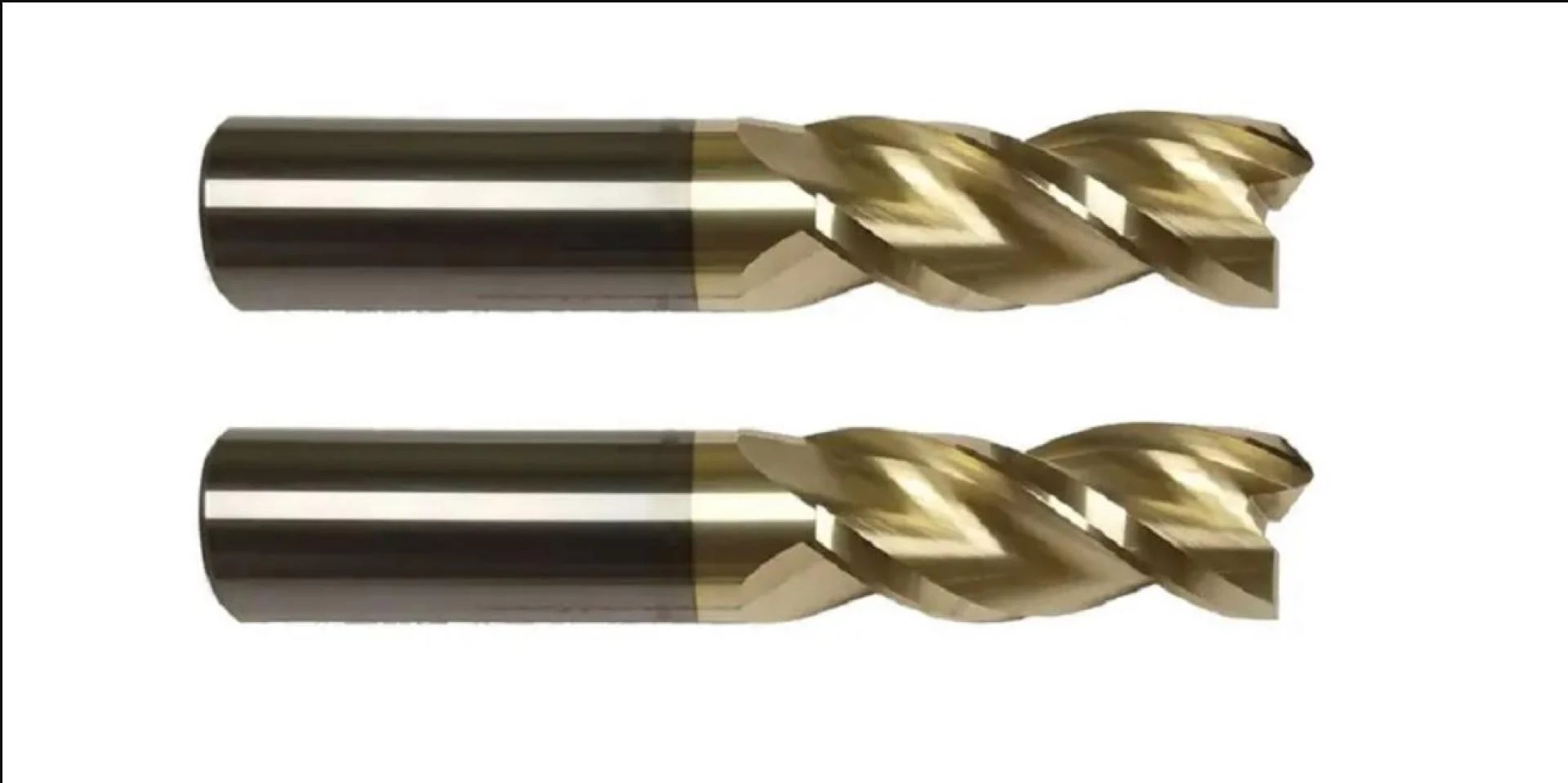

There are different kinds of tools you can use when it comes to milling machines, and it can depend on the kind of materials you want to work on. Also, there are other tasks that are more complicated than milling, and since drilling a hole requires a combination of different tools.
Drilling an accurate hole is complicated because drill bits, despite their sharpness, are not the most accurate of tools. Often drill bits are long and can rotate at high speeds. Because of this, a drill bit has the tendency to go off the mark when they touch the surface of a workpiece.
This means you need to use different tools when drilling a hole, which includes the following different kinds of drills. Here’s when to use them at the appropriate time.
Spot Drills
If you want to make drilling more accurate, you need to use a spot drill first. This can make a small dent on the workpiece to serve as a marker for the specific place you need to drill. Spot drills often have a short flute length, and they can lessen the likelihood of the other tools from going off the mark.
Another tithing you need to consider is the angle of the point when using a spot drill. The angle should be larger than the frill pont to ensure that the bit has direct contact with the dimple or dent, rather than the side.
Stub Drills
These drill bits are often used to create holes of different sizes. They often have a large blunt tip which can be used to enlarge a hole, and can also be used for spot centering before any drilling operation.
If you need to drill a hole that is not too deep, a stub drill is the best tool to make one. These drills are shorter compared to other drill bits, which adds to the stability of the tool even at high speed operations.
And when you are working on certain workpieces, you can use a stub drill without the need of a spot drill. However, it’s always best to check the material and do certain tests before working on them.
Jobber Drills
This is the standard drill bit, which comes in the standard length and long twisted flutes. They can be used to drill deep holes in a workpiece, and is often the standard drill used in many machining processes.
However, the length of a jobber drill can make it miss the designated mark, so often you need to use a spot drill first before you use a jobber drill to make deeper holes.
The Right Drill for the Job
So drilling isn’t as easy and as straightforward as it seems. You need several drill bits to make an accurate hole that suits the needs of the industry, whether automotive or aerospace. Of course, it’s best to have many different kinds of drill bits to ensure you have the right tools when drilling.
For more information about Carbide Cutting Tools and Thread Mill Pipe Thread please visit:- Online Carbide


























Sign in to leave a comment.