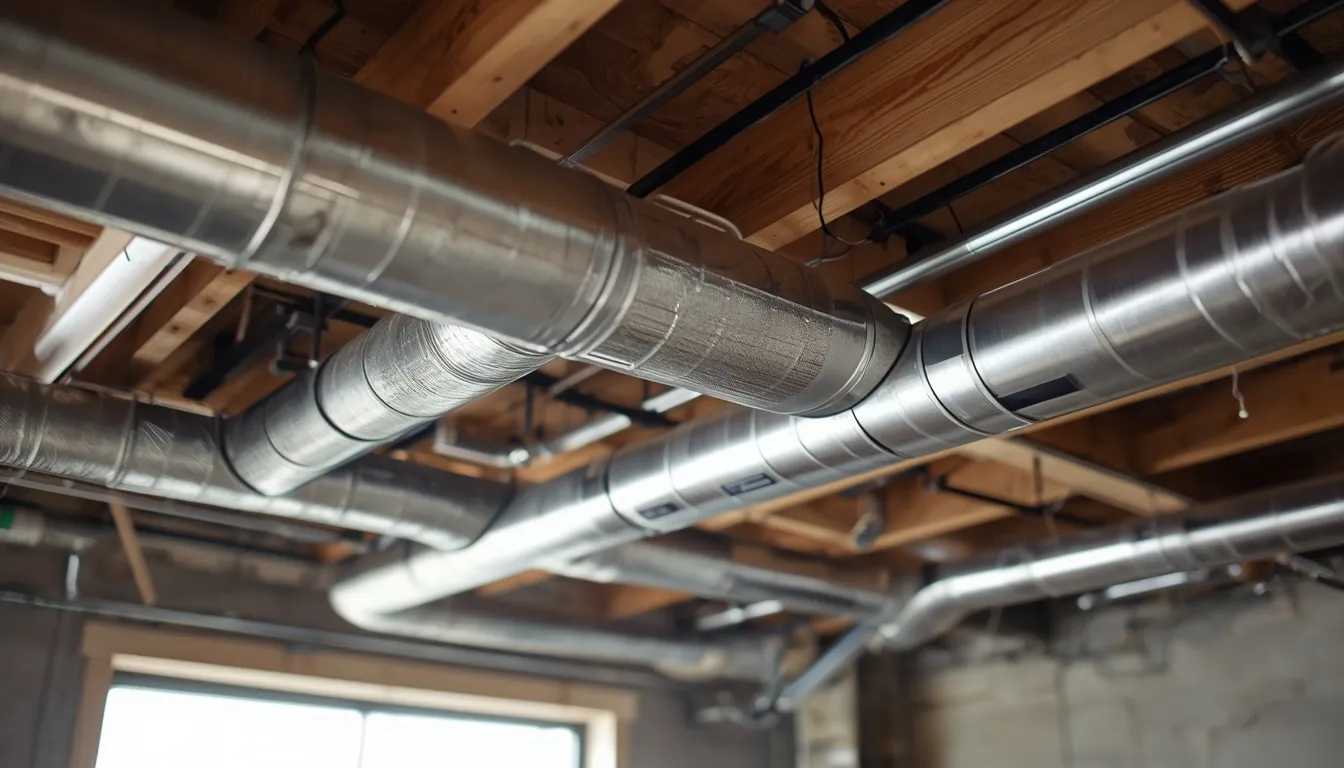

The location of ductwork plays a major role in the performance of any heating and cooling system. Even the most advanced HVAC equipment can struggle to deliver consistent comfort if the duct system is poorly designed or installed in inefficient locations. Understanding where ductwork should be installed for maximum efficiency can help homeowners make informed decisions when planning a new HVAC system or upgrading an existing one.
Professional ductwork installation services in Boston often focus on creating efficient airflow pathways that minimize energy loss while maintaining consistent temperatures throughout the property. Proper placement can improve comfort, lower utility costs, and help extend HVAC system lifespan.
Why Ductwork Placement Matters
Ductwork serves as the distribution network for heated and cooled air. If ducts are installed in areas exposed to extreme temperatures or are designed with inefficient routing, conditioned air can lose energy before reaching occupied rooms.
Proper installation helps:
- Improve airflow
- Reduce energy waste
- Maintain consistent temperatures
- Support HVAC efficiency
- Enhance indoor comfort
Because Boston experiences both cold winters and warm summers, duct placement becomes especially important for year-round performance.
Install Ductwork Within Conditioned Spaces Whenever Possible
One of the most effective ways to improve HVAC efficiency is to place ductwork inside conditioned areas of the home.
Conditioned spaces include:
- Interior walls
- Finished basements
- Utility rooms
- Conditioned crawl spaces
- Interior ceilings
When ducts are located within areas that are already heated or cooled, they are less likely to lose energy while transporting air.
Professional ductwork installation services in Boston often prioritize conditioned spaces whenever building design allows.
Avoid Unconditioned Attics
Attics can experience extreme temperature fluctuations throughout the year.
During summer, attic temperatures may rise significantly above outdoor temperatures. In winter, they can become extremely cold. Ducts installed in these environments may lose conditioned air before it reaches living areas.
Potential issues include:
- Increased energy consumption
- Reduced airflow efficiency
- Uneven indoor temperatures
- Additional strain on HVAC equipment
If attic installation is unavoidable, proper insulation and sealing become critical.
Use Conditioned Basements Strategically
Finished or conditioned basements can provide a suitable location for ductwork installation.
Benefits include:
- Reduced exposure to outdoor temperatures
- Easier maintenance access
- Improved energy efficiency
- Better protection from weather-related damage
Many Boston homes utilize basement areas as part of their HVAC distribution system.
Keep Duct Runs as Short as Possible
Long duct runs can reduce airflow efficiency by increasing resistance within the system.
Shorter, more direct pathways help:
- Improve air delivery
- Reduce pressure loss
- Increase HVAC performance
- Lower energy consumption
Professional ductwork designers aim to create efficient layouts that minimize unnecessary bends and extended runs.
Minimize Sharp Turns and Bends
Every bend in a duct system creates resistance that can reduce airflow.
For maximum efficiency, ductwork should:
- Follow direct routes when possible
- Use gradual turns instead of sharp angles
- Minimize unnecessary transitions
- Maintain consistent airflow paths
Thoughtful design helps improve air distribution throughout the home.
Position Supply Vents for Optimal Air Distribution
The location of supply vents affects how conditioned air circulates within living spaces.
In many homes, vents are installed near:
- Exterior walls
- Windows
- Areas with the highest heating or cooling demands
This placement helps offset temperature fluctuations and promotes more even room comfort.
Proper vent placement is an important component of efficient ductwork installation services in Boston.
Place Return Vents Strategically
Return vents allow air to flow back to the HVAC system for conditioning.
Poorly positioned returns can create airflow imbalances that affect comfort and system performance.
Effective return vent placement can help:
- Improve air circulation
- Maintain balanced pressure
- Enhance HVAC efficiency
- Support consistent indoor temperatures
A properly designed return system is just as important as supply duct placement.
Seal Duct Connections Properly
Even perfectly located ductwork can lose efficiency if connections are not sealed correctly.
Air leaks commonly occur at:
- Duct joints
- Connections
- Seams
- Transitions
Professional installation includes sealing these areas to reduce energy loss and improve overall system performance.
Insulate Ductwork When Necessary
When ducts must pass through unconditioned spaces, insulation can help reduce temperature loss.
Proper insulation helps:
- Preserve conditioned air temperatures
- Improve efficiency
- Reduce HVAC workload
- Enhance year-round comfort
Insulation is particularly valuable in Boston's climate where seasonal temperature extremes can affect HVAC performance.
Common Ductwork Installation Mistakes
Several installation mistakes can reduce HVAC efficiency, including:
- Oversized duct systems
- Undersized duct systems
- Poor vent placement
- Excessively long duct runs
- Inadequate sealing
- Insufficient insulation
Working with experienced professionals can help avoid these issues during system design and installation.
Benefits of Professional Ductwork Installation
Properly designed and installed ductwork may provide:
- Better airflow
- Improved energy efficiency
- More consistent temperatures
- Enhanced indoor comfort
- Reduced utility costs
- Longer HVAC system lifespan
These benefits often depend on the quality of both the duct design and installation process.
Why Ductwork Design Matters in Boston Homes
Boston's housing market includes everything from historic homes to modern construction. Each property presents unique challenges for HVAC design.
Older homes may require customized solutions to improve airflow without extensive structural changes, while newer homes often benefit from advanced duct planning during construction.
Professional ductwork installation services in Boston can help ensure the system is designed around the specific needs of the property.
Final Thoughts
For maximum efficiency, ductwork should ideally be installed within conditioned spaces, designed with short and direct pathways, properly sealed, and strategically positioned to support balanced airflow throughout the home. Placement decisions can significantly affect HVAC performance, energy consumption, and indoor comfort.
Whether installing a new system or upgrading an existing one, working with experienced providers of ductwork installation services in Boston can help homeowners achieve a more efficient and comfortable living environment while maximizing the performance of their HVAC investment.






























Sign in to leave a comment.