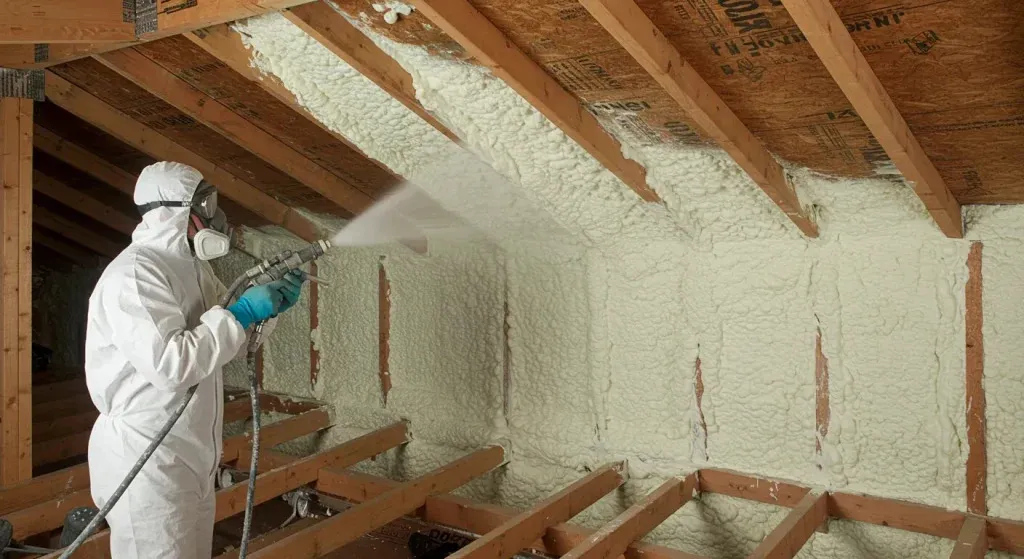

The most effective spots for spray foam in new builds include unvented attics, rim joists, and crawl spaces. These areas often leak the most air in a house. Using this material creates a tight seal that blocks outdoor air and moisture from getting inside.
Modern builders prefer this method because it fills every gap and crack. This helps maintain a steady temperature throughout the building. A skilled spray foam contractor knows exactly how to apply the material for the best results.
This guide explains where these materials work best to help builders and owners. The following sections provide details on specific zones and why they need better protection. This information comes from years of field work and hands-on building experience.
Primary Locations for Maximum Efficiency
The attic is the most common place where this material shines. When they apply it to the roof deck, it keeps the attic at a comfortable temperature. This prevents the HVAC system from working too hard in the summer or winter.
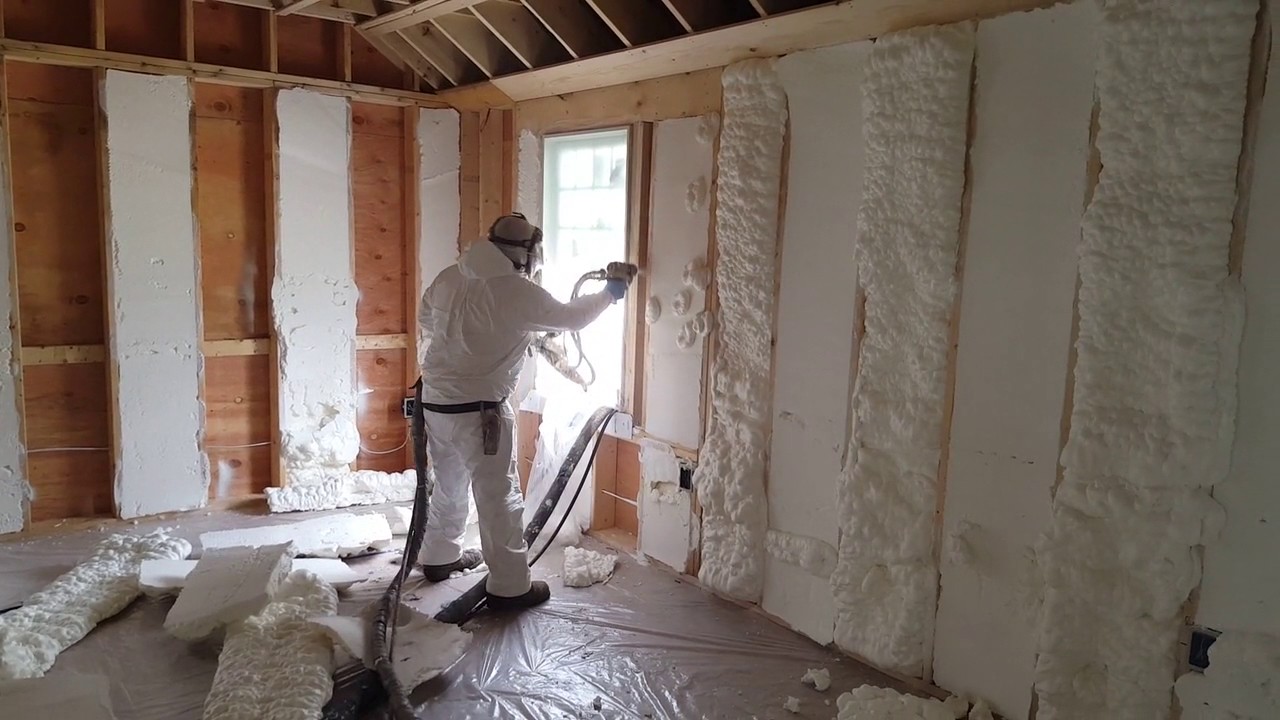
Rim joists are another area where air leaks often occur. These are the spots where the house frame meets the foundation. A spray foam company can seal these joints to stop cold drafts from entering the basement.
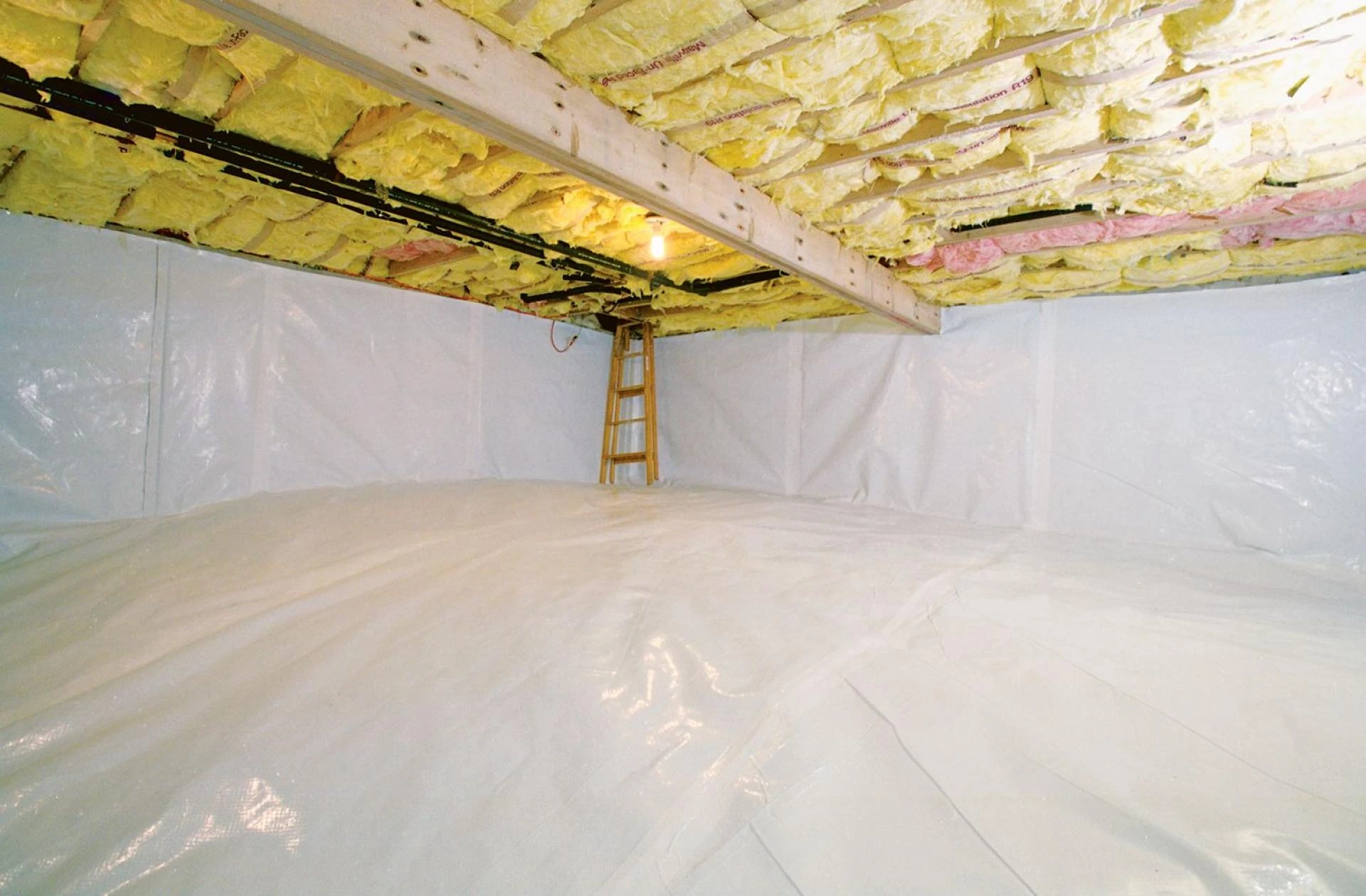
Crawl spaces also benefit from this treatment because they stay dry and warm. Many owners find that their floors feel much warmer after this upgrade. This helps stop wood rot and keeps pests from finding easy ways into the living space.
Unvented Attic Systems
Traditional attics use vents to move air, but this often lets in heat. An unvented attic uses spray foam on the underside of the roof. This moves the thermal boundary to the top of the house.
This setup protects ductwork that sits in the attic space. It keeps the air inside the pipes cool in the summer. They find that this method reduces energy bills by a large amount.
Basement and Foundation Walls
Basement walls can stay damp and cold throughout the year. Applying closed-cell foam to these surfaces creates a barrier against water. It also adds a bit of strength to the structure.
This application prevents condensation from forming on the cold concrete. It keeps the basement smelling fresh and prevents mold growth. Many owners find that their basements become more usable after this service.
Sealing Rim Joists and Sill Plates
Rim joists are the most leaky areas in a standard home. These small spaces are hard to seal with fiberglass or wool. The liquid foam expands into every corner to stop air flow.
This prevents the "stack effect" where air pulls in from the bottom of the house. It makes the entire building more comfortable for the people inside. They see fewer dust issues when these areas are sealed tight.
Bonus Tip for Efficiency
Check for large holes around pipes and wires before spraying. Sealing these first with a foam can help the main application go much faster. It ensures the big gaps get the most attention.
Local Climate Factors
In the Midwest, cold winds can push through tiny cracks in the siding. A spray foam contractor focuses on these windward sides to stop drafts. This helps keep the indoor air still and warm.
Commercial and Industrial Applications
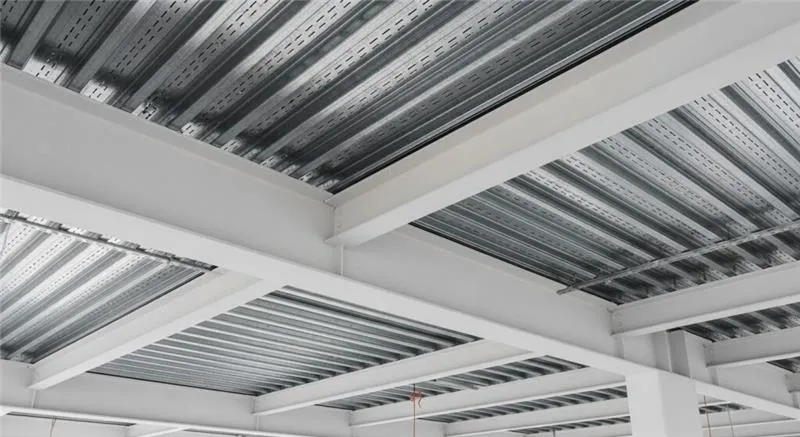
Large warehouses often have metal walls that get very hot in the sun. They use spray foam services to stop the heat from radiating inside. This keeps products safe and workers more comfortable.
Metal buildings also face issues with condensation during the winter months. The foam stops the warm indoor air from hitting the cold metal. This prevents water from dripping onto the floor or equipment.
Flat roofs on commercial buildings also use this material for extra protection. It creates a smooth surface that sheds water easily. It is also strong enough for people to walk on for maintenance.
Specialized Wall Assemblies
Modern offices use thin walls that need high insulation values. This material provides the highest R-value per inch of thickness. This allows for thinner walls while meeting strict energy codes.
They often use this in hospitals and schools to help with sound control. The dense foam reduces the noise when moving between different rooms. This creates a quieter environment for students or patients.
Things to Consider Before Making a Decision
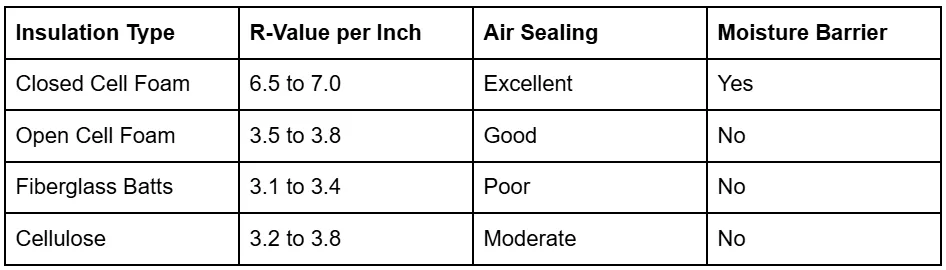
Before choosing a product, they look at the goals for the project. Open-cell foam is great for sound and is more affordable. Closed-cell foam is better for strength and blocking water.
The current weather also matters when planning the work. The surfaces need to be dry, and the temperature must be within a certain range. Spray foam experts monitor these factors to ensure the foam sticks correctly.
- Check the local building codes for R-value requirements.
- Decide if you need a vapor barrier for the project.
- Look at the space available for the insulation thickness.
- Consider the future use of the room or building.
- Evaluate if sound dampening is a high priority for you.
Material Choice and Climate Needs
In very cold areas, closed-cell is often the better choice. It keeps the heat inside and adds structural support against snow loads. It acts as its own vapor retarder, which is helpful in the North.
In warmer zones, open cells might be enough to keep the home cool. It is flexible and works well with the natural movement of the house. They often use this in attics where sound from rain is a concern.
Bonus Tip for Renovations
When fixing an old house, remove the old insulation first. This allows the new material to bond directly to the wood or brick. It provides a much cleaner and more effective seal.
Questions People Ask About Spray Foam
Where is the most important place to spray foam?
The attic and the rim joists are the most important spots. These areas contribute to the most air loss in a typical home. Sealing them provides the fastest return on the investment.
Can spray foam be used in older homes?
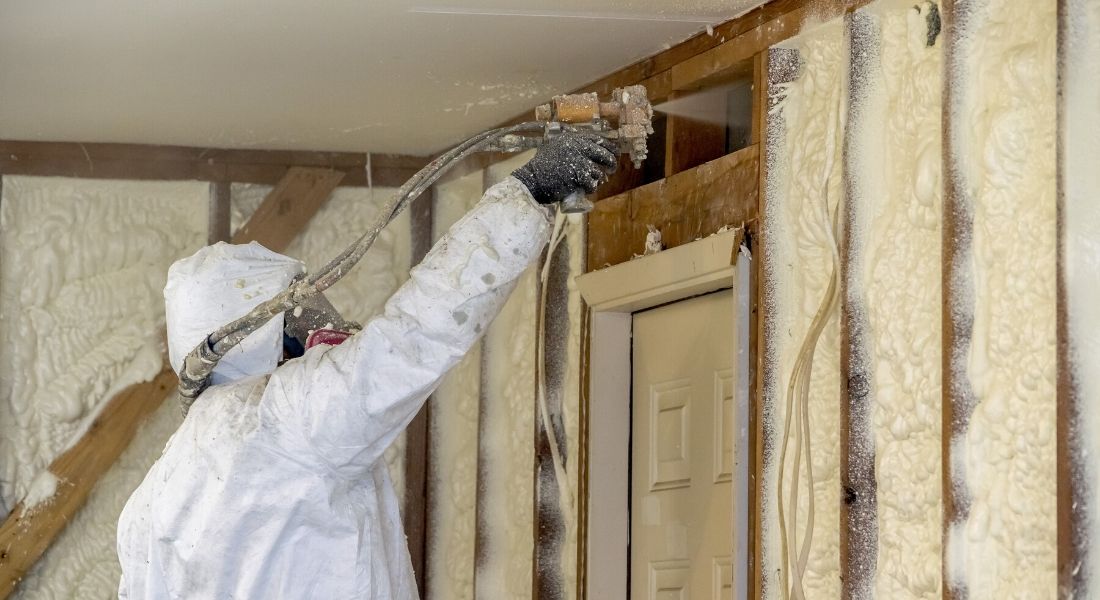
Yes, they often use it during remodels or when the walls are open. It is perfect for old houses with uneven wall cavities. It fills the odd shapes that standard batts cannot reach.
Is closed-cell better than open-cell?
A closed cell is denser and blocks water, making it better for basements. An open cell is softer and better for blocking noise between rooms. The choice depends on the specific needs of the room.
Does it help with indoor air quality?
It helps by blocking dust and pollen from entering through cracks. It also prevents mold by keeping moisture out of the wall cavities. This creates a cleaner environment for people with allergies.
How long does the material last?
This material is designed to last for the life of the building. It does not sag or settle over time like other options. Once it is applied, it stays in place and keeps working.
Final Thoughts on Best Practices
Choosing the right spots for spray foam makes a big difference in comfort. Focusing on the top and bottom of the house yields the best results. This strategy stops the movement of air that wastes energy and money.
Every project is different and requires a specific plan for success. They recommend looking at the whole building as a system. Proper application ensures the house stays dry and efficient for many decades.
Owners should evaluate their specific goals and budget before starting. Talking to a spray foam company can help clarify which areas need the most help. Taking the time to plan will lead to a better and more comfortable home.
Contact Local Professionals
For those looking to improve their home performance, reaching out to spray foam experts is a great step. They offer detailed help for both new builds and older home updates. You can contact South Chicago Insulation by calling (779) 803-8025 to discuss your project. Their team can answer questions and provide guidance on the best materials for your needs. Send an email to [email protected] for more information or to schedule a visit to your site.
Author: Bob Gasca is a certified Spray Foam Master Installer and SPFA member who specializes in solving moisture and air infiltration issues for families.
Reviewer: Noah Gonzalez is an experienced insulation specialist who has spent 9 years helping contractors improve their installation techniques and results.
























Sign in to leave a comment.