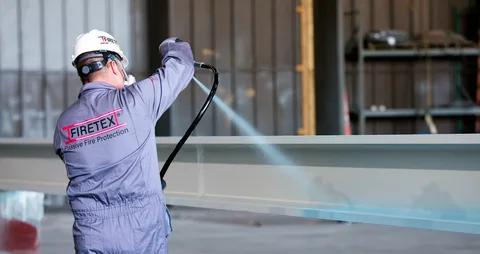

The Intumescent coatings protect structures when fire exposure and heat stress threaten their stability. These coatings slow failure, preserve load capacity, and give occupants more time to escape.
This topic matters now because buildings are tighter, lighter, and more performance-driven. Fire resistance must work alongside insulation, not against it.
Quick answers that matter most
- Intumescent coatings protect structural members during high heat events
- They work with spray foam systems when installed correctly
- They support durability, safety, and long-term building performance
Fire Exposure Changes Structural Behavior
Fire does not need to burn a building down to cause failure. Heat alone weakens steel and wood fast.
At around 1,100°F, steel can lose half its strength. Wood chars and loses section depth. According to guidance explained by UL Solutions on how intumescent coatings work, these coatings expand when exposed to heat, forming an insulating char layer that slows temperature rise in structural members.
That delay matters. It preserves load paths and reduces collapse risk.
What Intumescent Coatings Actually Do
Intumescent coatings stay thin during normal conditions. They look like paint and apply like paint.
When heat rises, the coating swells many times its original thickness. This foam-like char insulates the surface beneath it. Heat transfer slows. Structural members stay cooler longer.
This reaction is passive. It requires no power or activation system.
Heat Resistance = Structural Time
Fire resistance is about time, not immunity. Buildings fail when members reach critical temperatures too fast.
By slowing heat gain, intumescent coatings buy time. Time for suppression. Time for evacuation. Time for firefighters to work.
Building codes rely on time-based ratings for this reason.
Where Intumescent Coatings Are Commonly Used
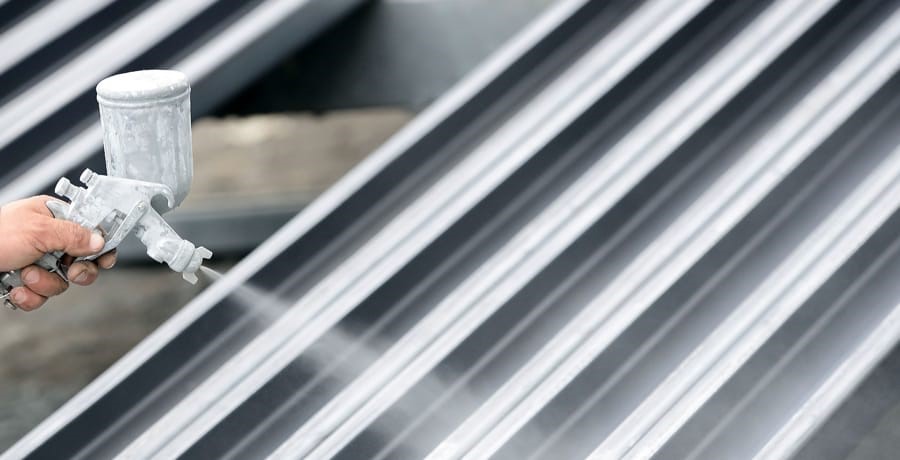
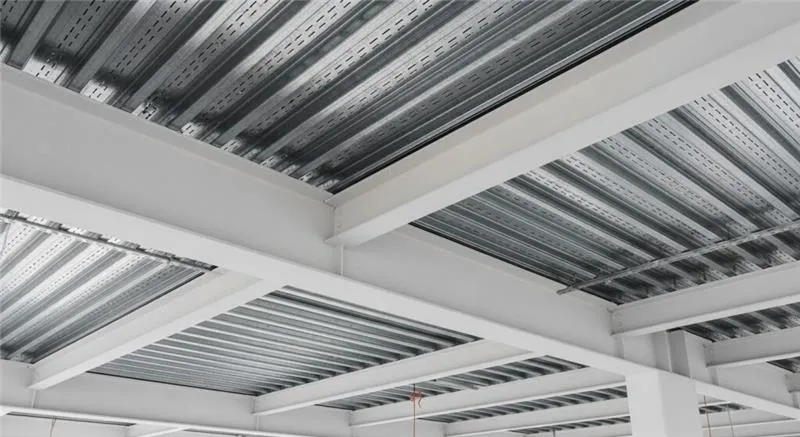
These coatings often protect steel beams, columns, and exposed framing. They are common in commercial buildings, warehouses, and mixed-use spaces.
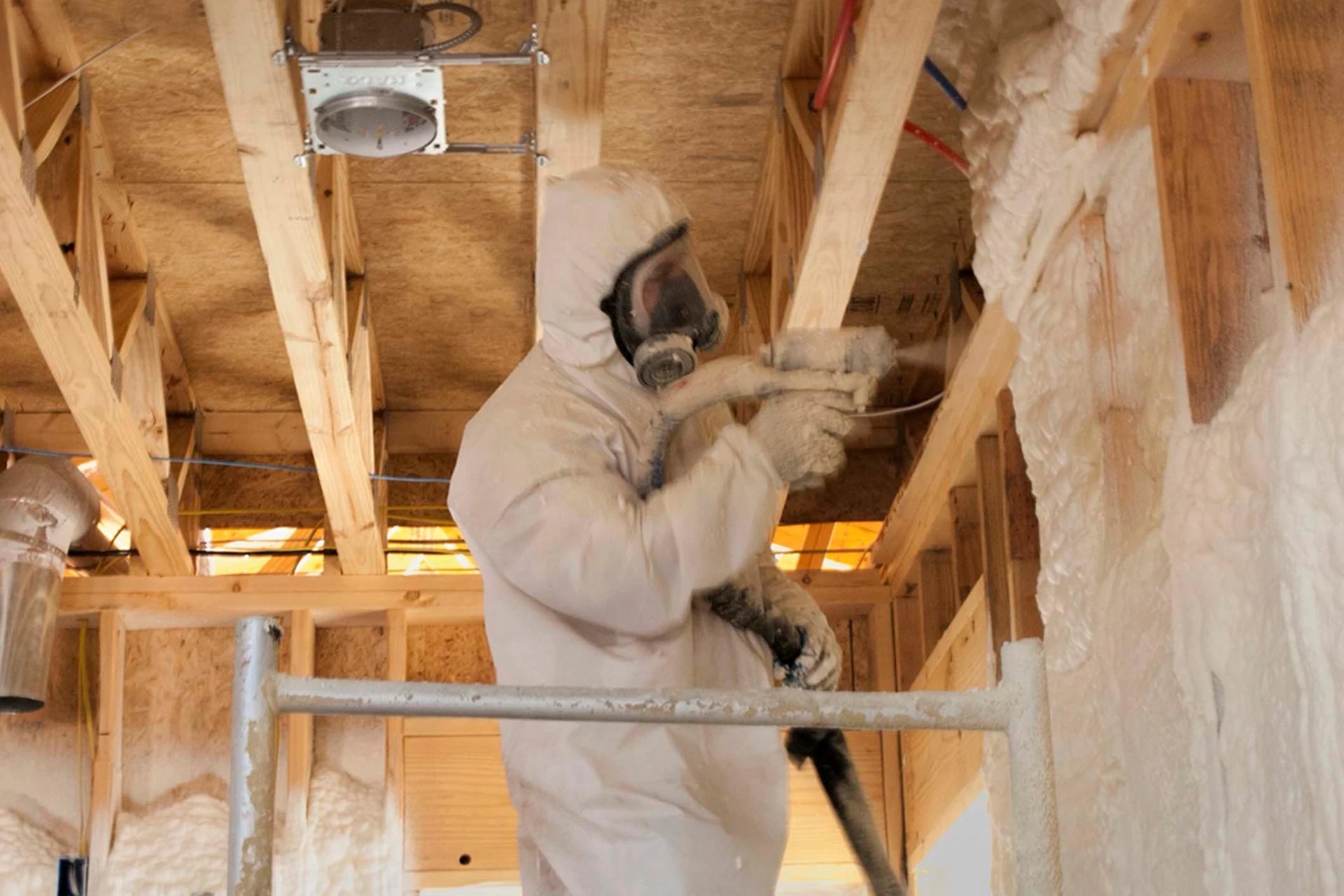
In residential and light commercial work, they appear where spray foam insulation must meet ignition or thermal barrier requirements.
When used correctly, they support both fire safety and energy performance.
Spray Foam and Fire Protection Compatibility
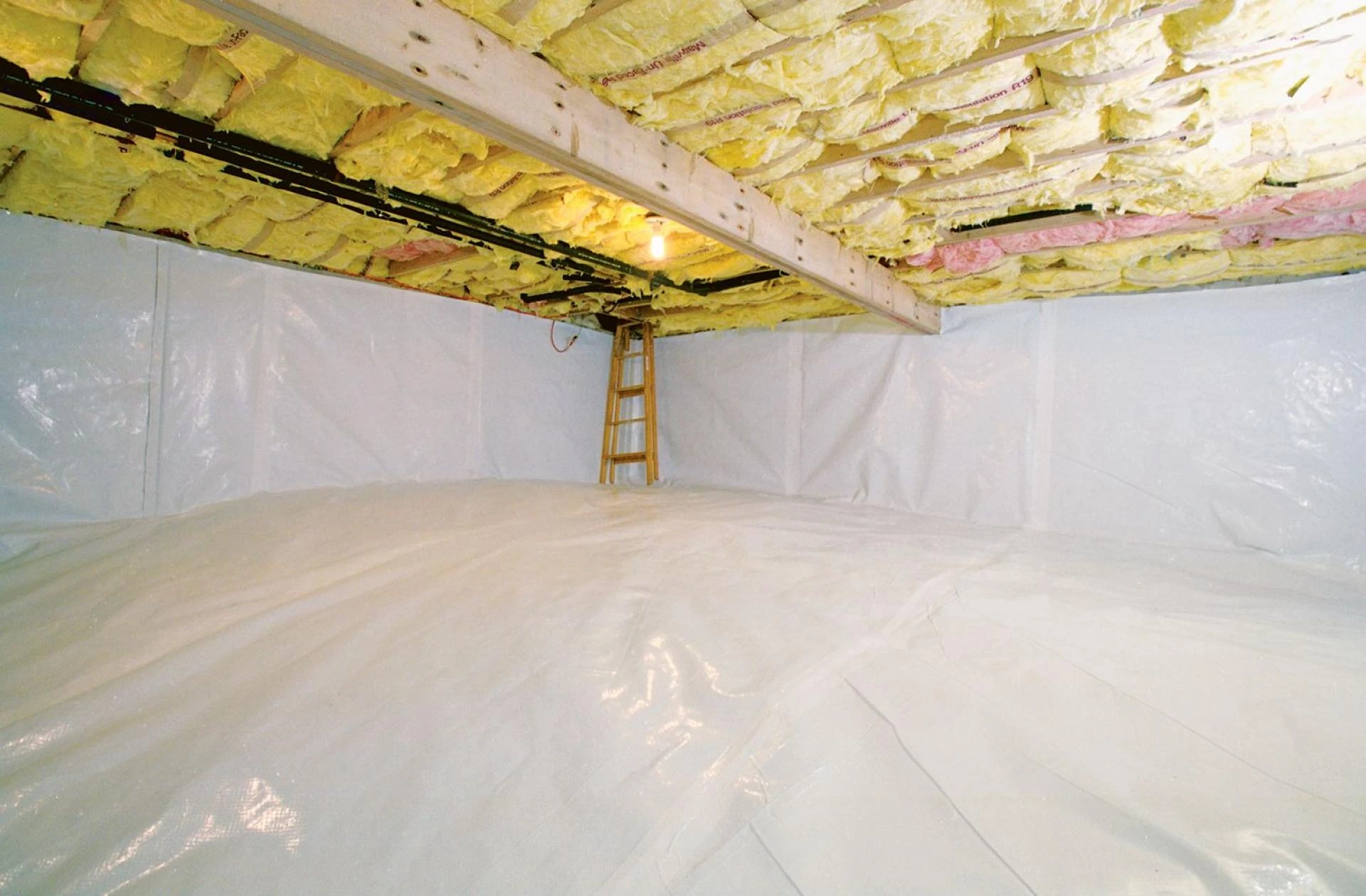
Spray foam insulation delivers strong air sealing and thermal resistance. It also requires fire protection in many applications.
Intumescent coatings often serve as that protection. They cover exposed foam surfaces or adjacent framing.
Evaluation criteria such as ICC-ES AC456 acceptance criteria for intumescent coatings define how these products are tested and approved. Compliance ensures coatings perform as intended under fire conditions.
Poor Coverage = False Protection
Intumescent coatings only work where they are applied correctly.
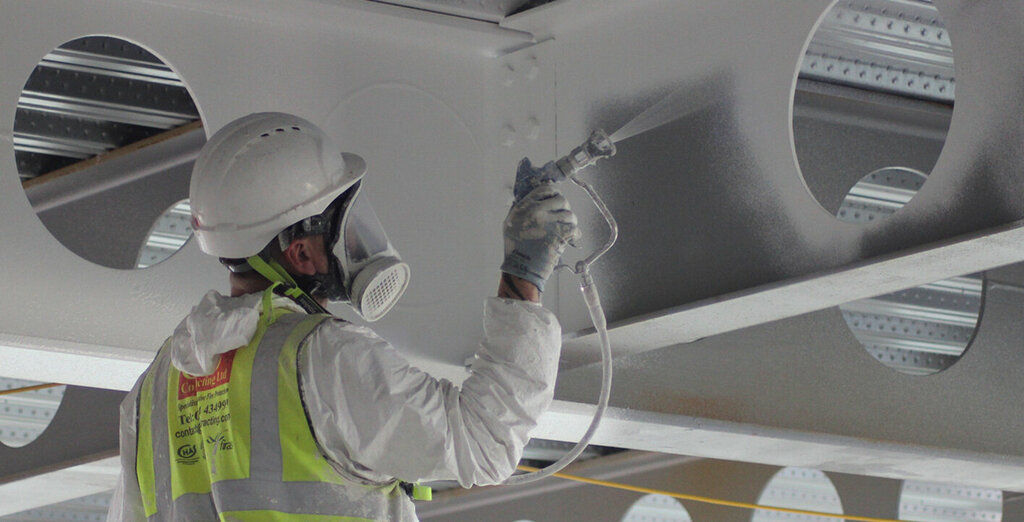
Thin spots, missed areas, or improper thickness reduce effectiveness. Surface prep matters. Application rates matter.
This is not decorative paint. It is a performance system.
Environmental and Indoor Air Considerations
Many modern intumescent coatings are water-based and low in emissions.
Indoor air quality still matters during installation. According to indoor air quality guidance from the Environmental Protection Agency on volatile organic compounds, coatings should be selected and applied with ventilation and cure time in mind.
Once cured, most approved products remain inert and stable.
How Intumescent Coatings Support Durability
Fire exposure is not common, but when it happens, durability depends on preparation.
Structures protected by intumescent coatings often experience less permanent damage after fire events. Members stay cooler. Deformation reduces.
This lowers repair costs and can prevent total loss.
Intumescent vs Cementitious Fireproofing
Both systems protect against fire, but they behave differently.
Cementitious fireproofing is thick and heavy. It can crack or fall off over time. Intumescent coatings stay thin and adhere well.
They also allow exposed architectural finishes without sacrificing protection.
Fire Protection and Building Performance Balance
High-performance buildings rely on layered systems. Insulation, air sealing, and fire protection must work together.
Intumescent coatings support that balance. They protect without adding bulk or compromising thermal control.
This makes them valuable in modern construction and retrofit work.
Can Intumescent Coatings Fail
Yes. Failure usually comes from poor installation or incorrect product selection.
Using untested products or ignoring approval listings leads to risk. Thickness must match tested assemblies.
Inspection and documentation matter.
Spray Foam Roofing Insulation Comparison
Fire Protection Approaches
| Factor | Intumescent Coating | Cementitious Coating |
|---|---|---|
| Added weight | Minimal | Heavy |
| Durability | High adhesion | Can crack |
| Energy impact | Neutral | Neutral |
| Fire resistance | Time-based | Time-based |
Both systems can meet code. Intumescent coatings offer cleaner integration with insulation systems.
Bonus Tips
- Verify required mil thickness during inspection
- Protect coatings from moisture during cure
- Document product listings for future reference
Case Studies
Commercial projects using intumescent coatings over spray foam roof assemblies have maintained structural integrity during localized fire events, reducing repair scope and downtime.
Long-Term Performance Expectations
Intumescent coatings do not degrade under normal conditions. They remain dormant until exposed to heat.
Routine inspections ensure coatings remain intact. Damage from trades or renovations should be repaired quickly
Properly maintained systems last decades.
Trade-Offs and Limitations
These coatings do not stop fire. They slow its effects.
They require skilled application and quality control. Material costs can be higher than basic fireproofing.
The value comes from performance and integration, not shortcuts.
Conclusion
Intumescent coatings enhance structural durability by slowing heat damage during fire exposure. They protect critical members and support life safety goals.
When paired correctly with spray foam insulation, they allow buildings to meet fire codes without sacrificing energy performance.
South Chicago Insulation supports performance-focused projects by understanding how fire protection and insulation systems work together in real buildings.
Practical Fire Protection Support
Spray foam insulation and intumescent coatings must function as one system. South Chicago Insulation works with approved materials and tested assemblies to support safe, durable buildings. For guidance, they can be reached at (779) 803-8025.
FAQs
What is the purpose of an intumescent coating?
It protects structural materials by expanding under heat and slowing the temperature rise.
Are intumescent coatings required over spray foam?
Often yes. Codes require ignition or thermal barriers in many applications.
Do intumescent coatings affect insulation performance?
No. They do not reduce thermal resistance when applied correctly.
How thick should an intumescent coating be?
Thickness depends on tested assemblies and must match approval listings.
Can intumescent coatings be used in residential buildings?
Yes. They are common where exposed foam or framing needs fire protection.
Author
Bob Gasca attended his first spray foam training in 2007 and has continued to pursue yearly training to stay current with the latest technology and practices. He is a certified Spray Foam Master Installer through the SPFA and a member of the SPFA. Additionally, Bob serves as a Spray Foam Worldwide Ambassador, sharing information with spray foam professionals globally. Recently, he returned from a building science training program, where he expanded his knowledge of how weather conditions affect home performance, helping him better diagnose and improve home health for families. Bob specializes in solving complex moisture and air infiltration issues.
Reviewer
Noah Gonzalez reviewed this article and drew on 9 years of experience to offer suggestions that make the guidance more directly useful for insulation contractors.
Sources
- UL Solutions – Explanation of how intumescent coatings function under fire exposure
- ICC-ES AC456 – Acceptance criteria used to evaluate intumescent coatings
- U.S. Environmental Protection Agency – Guidance on VOCs and indoor air quality related to coatings

























Sign in to leave a comment.