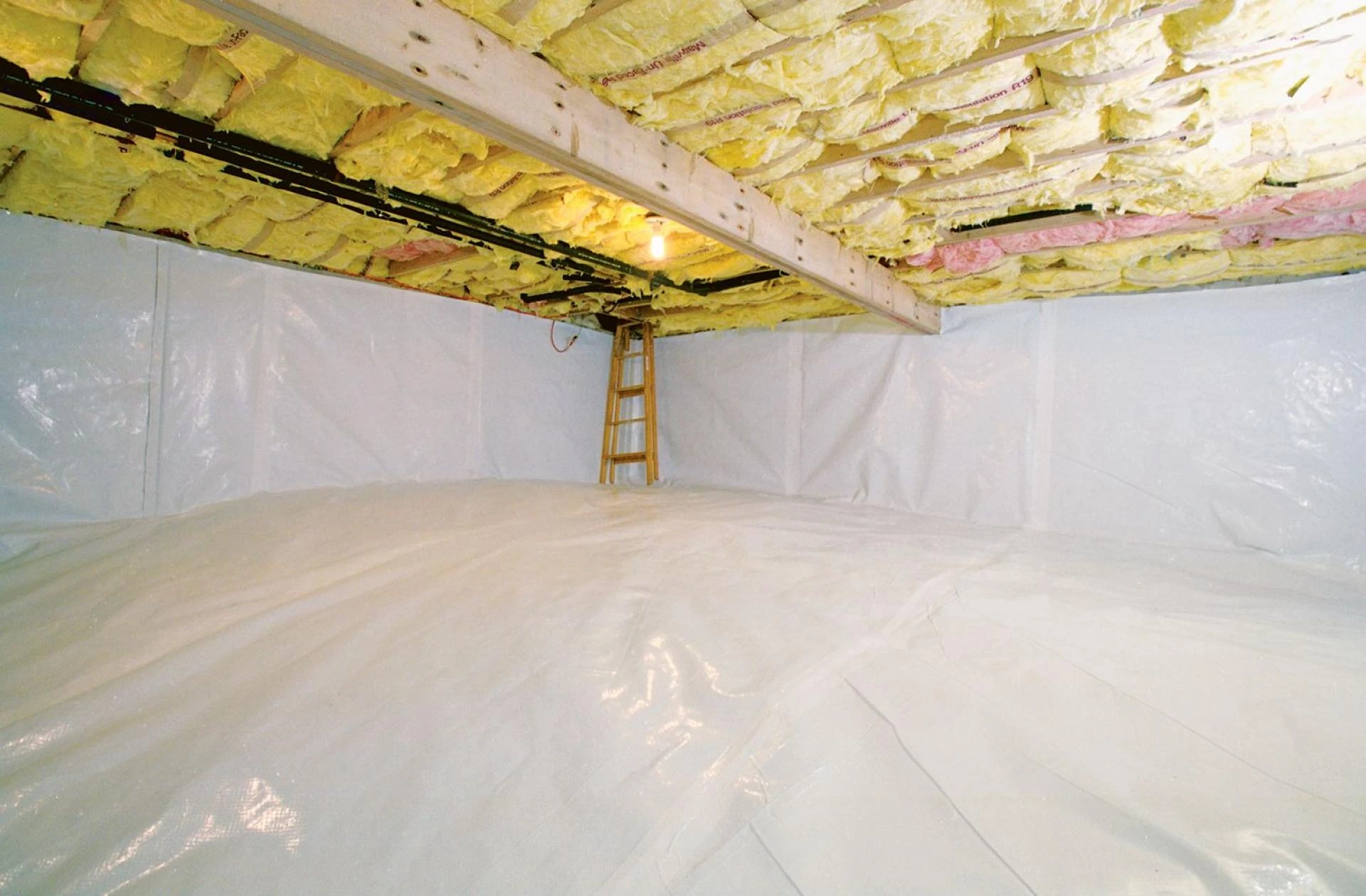

Crawlspace encapsulation in Elmhurst, IL adds value to properties by controlling moisture, improving comfort, and protecting the structure from long-term damage. Homes with sealed crawlspaces often show fewer odor issues, lower humidity levels, and steadier indoor temperatures, which buyers and inspectors notice quickly.
This article explains how crawlspace encapsulation works, why it matters in the local climate, and how it supports property value beyond basic insulation. The guidance reflects hands-on experience with moisture control and air sealing in older Midwest homes.
Why Crawlspaces Affect the Entire Home
A crawlspace sits directly beneath living areas, which means conditions below influence the spaces above. When moisture and outside air move freely in this area, comfort and efficiency suffer.
Encapsulation changes this dynamic by sealing the crawlspace from ground moisture and outdoor air. This helps the home behave more predictably in every season.

Common Problems Found in Elmhurst Crawlspaces
Many homes in Elmhurst were built decades ago. Crawlspaces in these properties often face ongoing moisture challenges.
Typical issues include:
- Damp soil and standing water after rain
- Musty odors entering the home
- Cold floors during winter months
Encapsulation targets these concerns directly.
How Encapsulation Adds Property Value
Value comes from reduced risk and improved living conditions. Buyers may not ask about crawlspaces, but inspection reports often highlight problems in these areas.
Homes with encapsulated crawlspaces tend to receive fewer moisture-related comments during inspections. That can reduce repair credits and delays during a sale.
Market Factors That Support This Upgrade
Homes with moisture control features often stand out in competitive markets. Industry data shows properties with fewer inspection issues move faster and face fewer renegotiations.
Encapsulation also supports long-term durability, which appeals to buyers planning to stay in the home.
Moisture Control and Structural Protection
Moisture causes slow damage that adds up over time. Wood framing, subfloors, and insulation all suffer when damp air remains trapped.
Encapsulation blocks ground moisture and limits humid air entry. This helps keep materials dry and stable.
Comparison of Encapsulated vs Vented Crawlspaces
| Feature | Vented Crawlspace | Encapsulated Crawlspace |
|---|---|---|
| Moisture control | Limited | Strong |
| Odor transfer | Common | Reduced |
| Floor comfort | Often cold | More stable |
| Inspection concerns | Frequent | Fewer |
| Long-term upkeep | Higher | Lower |
Comfort and Efficiency Benefits
Comfort improves when floors stay warmer and humidity stays balanced. Encapsulation helps by separating indoor air from damp crawlspace conditions.
Many homeowners notice fewer drafts and less temperature variation after sealing the crawlspace. These changes support lower energy use over time.
Energy Use Over the Year
Market data suggests moisture control and air sealing in crawlspaces can reduce heating and cooling loss by up to 20 percent in some homes. Savings vary, but comfort gains are consistent.

Elmhurst Climate Makes Encapsulation Relevant
Elmhurst experiences cold winters, humid summers, and frequent spring rain. These conditions increase moisture risk under homes.
Encapsulation helps manage these seasonal pressures by keeping outside moisture from entering the crawlspace.
Local Soil and Drainage Factors
Clay-heavy soils common in the area hold water longer. This raises moisture levels beneath homes after storms.
Sealing the crawlspace reduces how much of that moisture affects the structure.
Things to Consider Before Making a Decision
Not every crawlspace needs the same solution. A careful review helps determine the right scope of work.
Key factors to assess include:
- Existing water entry or drainage issues
- Crawlspace height and access
- Condition of floor framing
- Budget and ownership plans
Addressing drainage first often improves results.
Bonus Tips for Better Results
- Fix exterior grading before encapsulation
- Seal vents fully rather than leaving partial openings
- Keep photos and documentation for inspections
Long-Term Benefits Beyond Resale
Encapsulation supports healthier indoor conditions during daily living. Reduced moisture often means fewer odors and less dust movement.
Over time, homeowners may see fewer maintenance issues tied to damp materials. These benefits add value even when selling is not immediate.
Questions People Ask About Crawlspace Encapsulation
Does encapsulation stop water leaks?
Encapsulation blocks moisture vapor but does not replace proper drainage. Active leaks should be fixed first.
Will floors feel warmer after encapsulation?
Many homeowners report warmer floors, especially during winter months.
Is encapsulation suitable for older homes?
Yes. Older homes often benefit the most due to existing moisture problems.
How long does encapsulation last?
When installed correctly, materials can last for decades with minimal upkeep.
Does encapsulation affect inspections?
Sealed crawlspaces often receive fewer negative comments during inspections.
Key Points for Elmhurst Property Owners
Crawlspace encapsulation adds value by controlling moisture, improving comfort, and reducing inspection concerns. In Elmhurst’s climate, these benefits support both daily living and resale potential. Property owners should assess their crawlspace conditions and long-term goals before moving forward.
Getting Local Support and Guidance
Homeowners often benefit from professional evaluation before investing in crawlspace work. South Chicago Insulation provides assessments focused on moisture control and comfort issues common in Elmhurst homes. Readers can contact [email protected] or call (779) 803-8025 to discuss practical options and planning considerations.
Author: Bob Gasca attended his first spray foam training in 2007 and continues yearly education to stay current with installation practices. He is a certified Spray Foam Master Installer through the SPFA and focuses on solving complex moisture and air infiltration issues.
Reviewer: Noah Gonzalez reviewed this article using nine years of field experience, offering suggestions that make the guidance more useful for insulation contractors and property owners.






















Sign in to leave a comment.