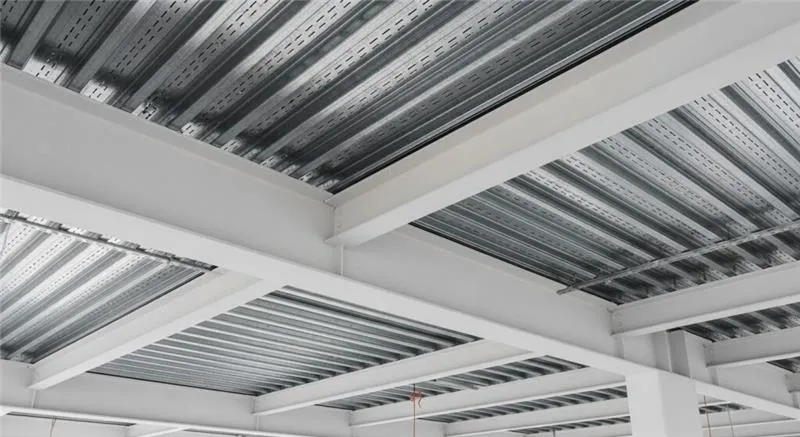
Intumescent Coatings are designed to protect structures from extreme heat by forming a thick, insulating layer when exposed to fire. This layer slows heat transfer to the underlying material, preventing structural damage and collapse. Experts confirm that properly applied Intumescent Coatings services can significantly extend the fire-resistance rating of steel, wood, and other building materials.
This article explains how these coatings react under extreme heat, factors that influence their performance, and what homeowners or builders should know before choosing Intumescent Coatings experts.
How Intumescent Coatings Protect Structures
When exposed to high temperatures, Intumescent Coatings expand to create a char layer that insulates the surface. This process delays the rise of internal temperatures, helping structural components maintain integrity during a fire.
Key Performance Benefits
- Provides up to 120 minutes of fire resistance depending on thickness
- Reduces heat transfer to steel or wood structures
- Maintains structural integrity under prolonged exposure
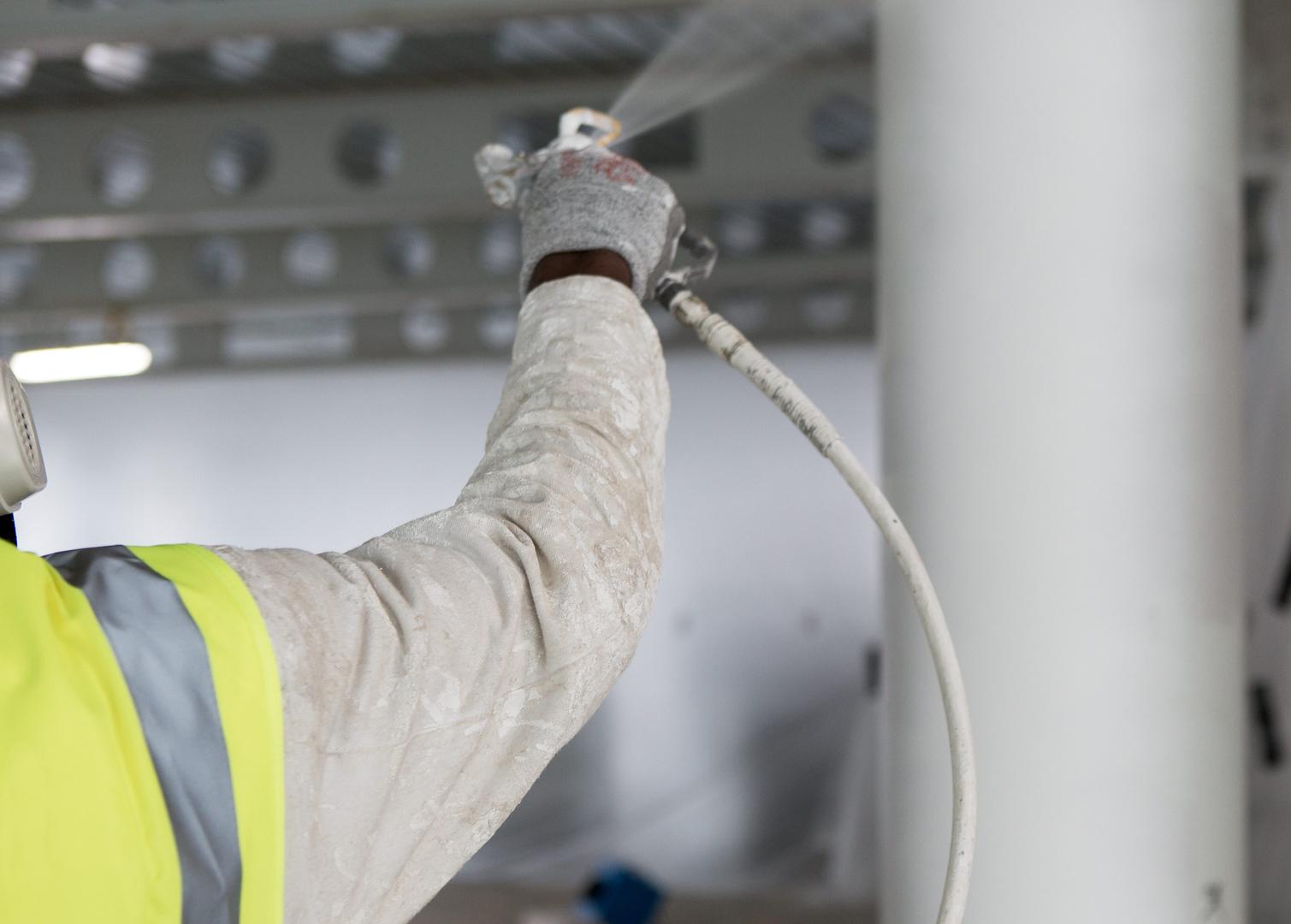
- Can be applied to irregular surfaces with minimal surface preparation
How the Coating Expands Under Heat
The protective layer forms through a chemical reaction triggered by heat. This layer is lightweight, yet highly insulating.
Stages of Expansion
- Initial Heating: Coating softens and begins to expand.
- Char Formation: The expanded material hardens, forming a barrier against flames.
- Peak Protection: Insulating layer continues to shield the substrate, slowing heat penetration.
Bonus Tip
Applying the correct thickness is essential. Too thin a layer reduces fire resistance, while overly thick applications can crack or peel under stress. Intumescent Coatings experts can determine the ideal thickness based on structure type and fire rating requirements.
Comparison of Intumescent Coatings Types
| Coating Type | Application Area | Fire Resistance | Surface Preparation |
|---|---|---|---|
| Thin-film epoxy | Steel beams | 30–60 minutes | Smooth, clean |
| Acrylic-based | Wood or drywall | 30–90 minutes | Sanded, dry |
| Water-based epoxy | Steel and composite | 60–120 minutes | Clean, primed |
| Solvent-based | Structural steel | 60–120 minutes | Smooth, rust-free |
This table helps visualize how performance varies by coating type and substrate.
Things to Consider Before Making a Decision
Selecting Intumescent Coatings services requires attention to several factors:
- Material Compatibility: Not all coatings are suited for every substrate.
- Environmental Exposure: Some coatings perform better indoors than outdoors.
- Fire Rating Requirements: Determine the minimum fire-resistance rating needed.
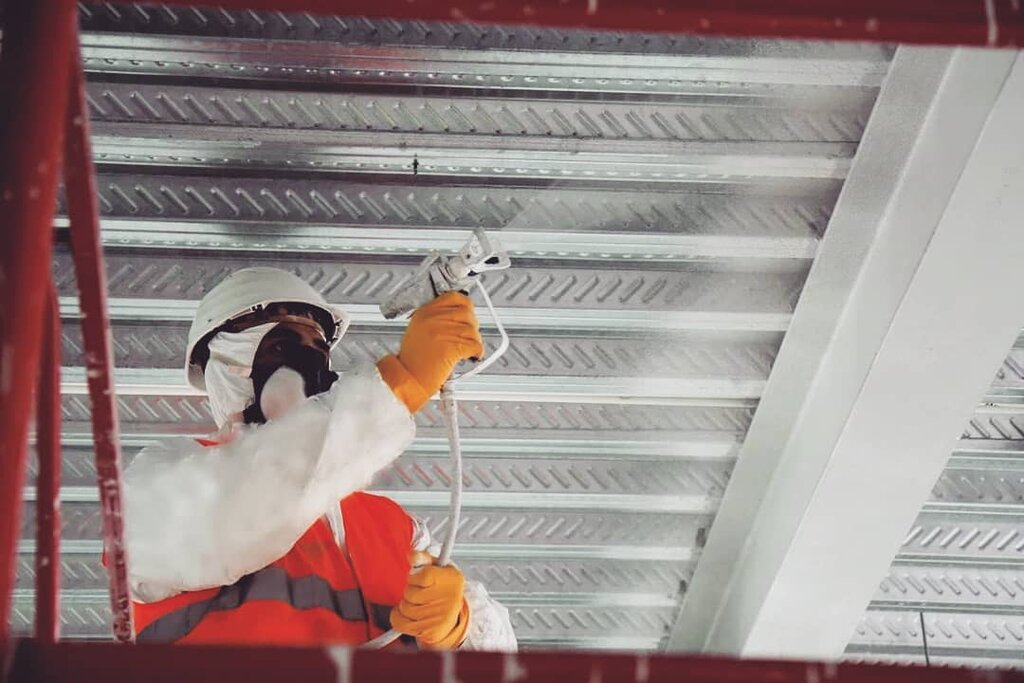
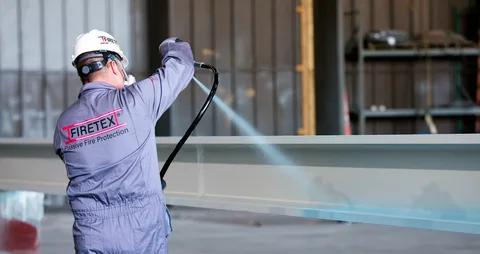
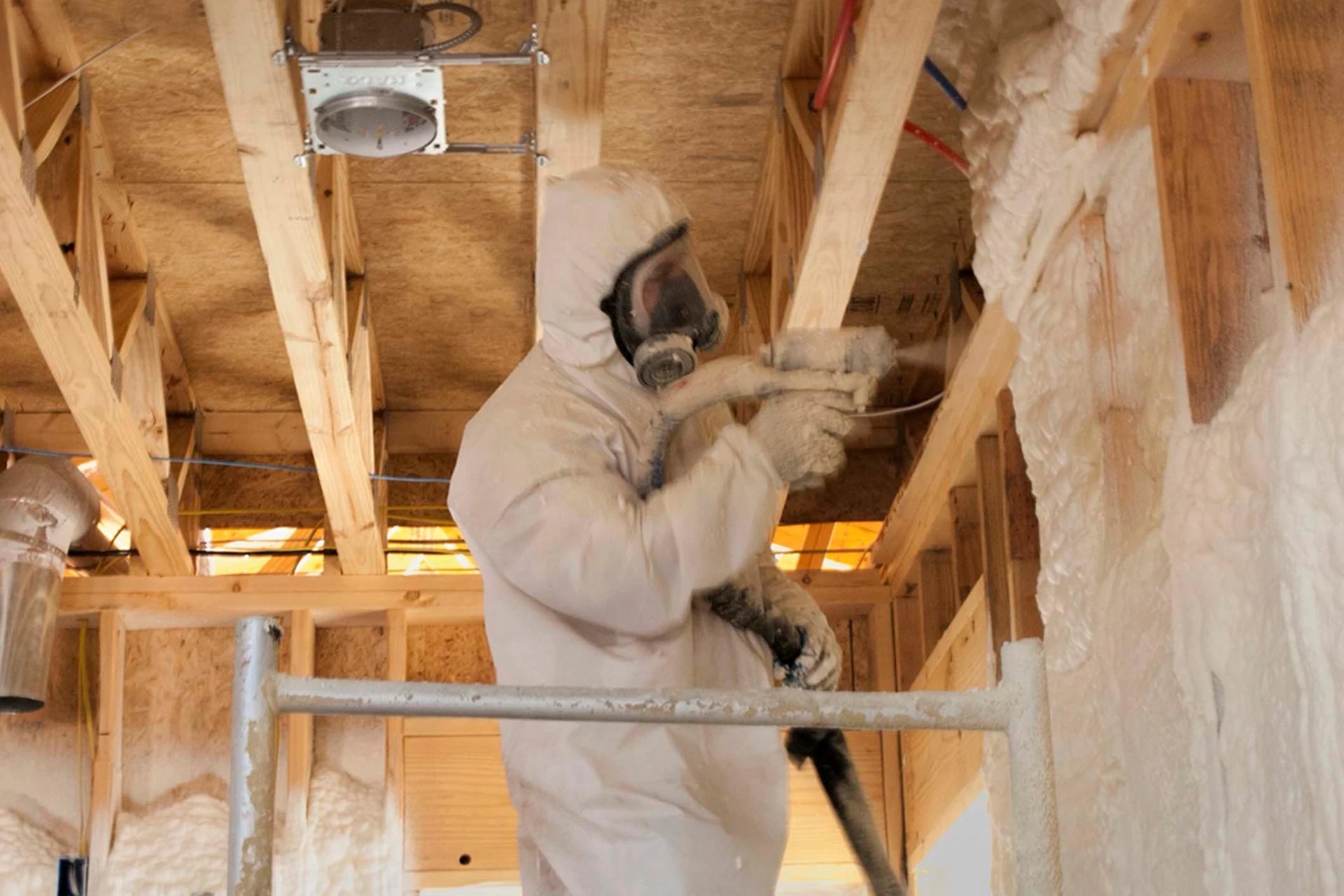
- Application Skill: Proper application ensures uniform coverage and optimal expansion.
Bonus Tip
Seek professional evaluation for older structures. Pre-existing corrosion or moisture damage can affect coating adhesion and performance.
Signs You Need Professional Coating Application
Identifying the right situation for Intumescent Coatings can prevent future damage.
- Exposed steel or wood in commercial or high-risk buildings
- Structures with strict fire code requirements
- Areas where high heat exposure is possible
- Previously unprotected surfaces requiring updated fire resistance
- Renovations or retrofits requiring fire safety compliance
Regional and Climate Considerations
In humid or coastal regions, water-based coatings may require additional topcoats to resist moisture. In dry, hot climates, solvent-based coatings may be preferred for faster curing. Intumescent Coatings experts adjust formulations and application techniques based on regional conditions to maintain performance.
Conclusion
Intumescent Coatings provide a reliable solution for protecting structures from extreme heat by expanding and forming an insulating layer. Proper selection, professional application, and adherence to fire ratings ensure maximum protection. Homeowners and builders should evaluate material type, environmental conditions, and coverage needs when considering these coatings.
Next Steps for Property Owners
Property owners seeking Intumescent Coatings services should contact trusted providers such as South Chicago Insulation for professional guidance. Their team evaluates structural needs, recommends suitable coatings, and ensures expert application. For inquiries, reach them at [email protected] or call (779) 803-8025 to maintain fire safety and structural integrity.
Questions People Ask About Intumescent Coatings
How long does an intumescent coating last?
Typically 10–20 years depending on environmental exposure and maintenance. Regular inspections ensure longevity.
Can these coatings be applied outdoors?
Yes, but additional protective layers may be required to withstand moisture, UV exposure, and temperature fluctuations.
Do they require a primer?
Most types need a primer to adhere properly, especially on steel or previously painted surfaces.
How thick should the coating be?
Thickness depends on fire-resistance requirements. Experts calculate coverage to meet structural fire ratings.
Are all coatings the same?
No, performance varies by chemical formulation, substrate compatibility, and intended fire duration. Selecting the correct type is essential.
Author: Bob Gasca attended his first spray foam training in 2007 and continues yearly training. He is a certified Spray Foam Master Installer and specializes in solving complex moisture and air infiltration issues.
Reviewer: Noah Gonzalez reviewed this article and contributed insights based on 9 years of experience, offering practical guidance for insulation professionals.























Sign in to leave a comment.