
Quiet rooms help people stay asleep longer. Thick materials stop sound from moving through walls and ceilings. This reduces the number of times a person wakes up during the night. This guide explains how soundproofing works. It shows how the right materials improve home life. Readers will learn how to make their bedrooms a peaceful place for rest.
The Link Between Silence and Deep Rest
Sound travels through the air in waves. When these waves hit a hard wall, they pass into the next room. Special materials stop these waves before they reach the ear.
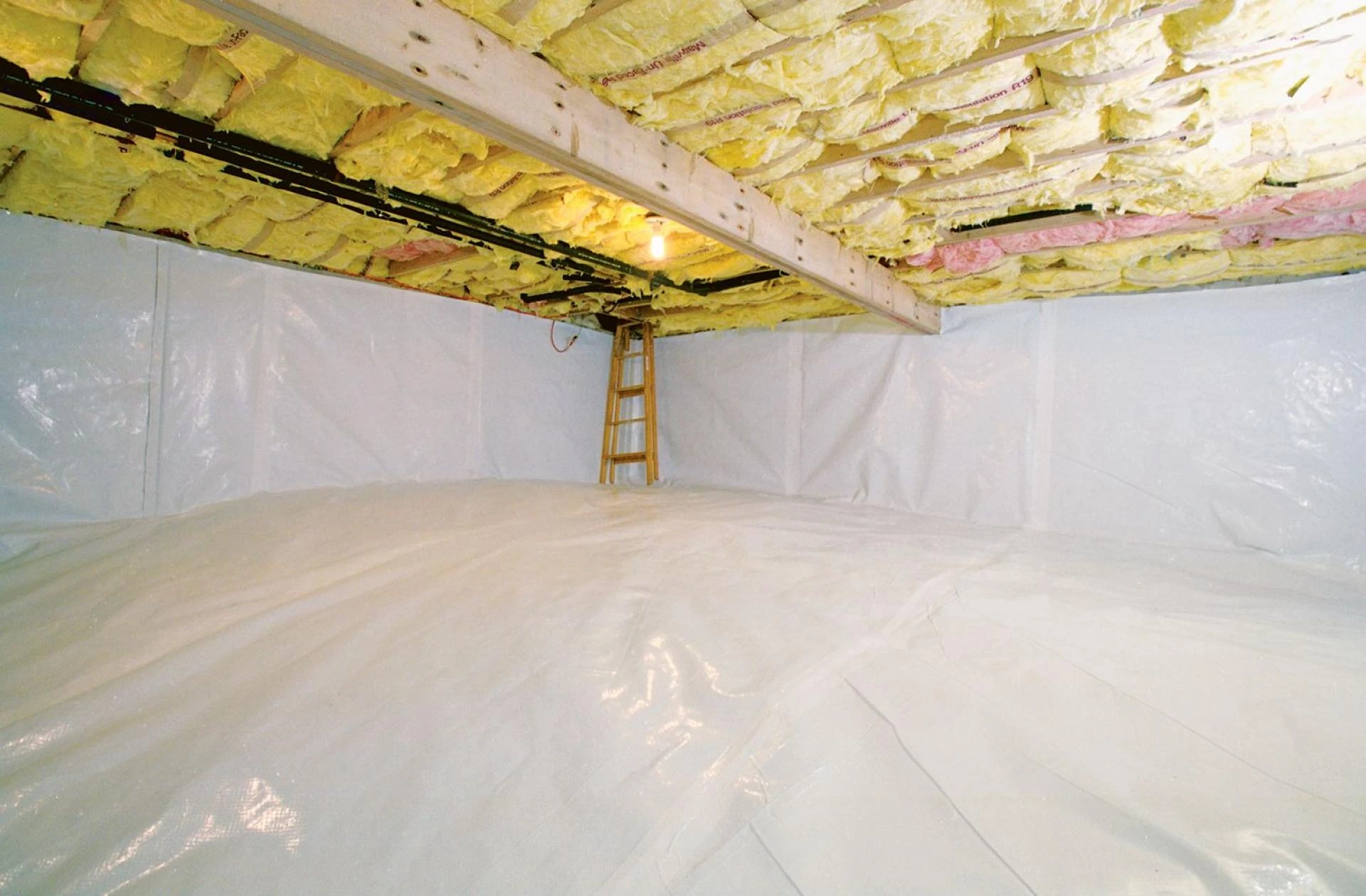
A quiet room allows the brain to enter deep sleep cycles. These cycles are where the body heals itself. High quality Insulation acts as a shield against the loud world outside.

Blocking Sounds From the Street
Traffic and sirens often wake people up. Thick materials in the exterior walls catch these sounds. This keeps the bedroom calm even in a busy city area.
Heavy materials work best for stopping low thumping sounds. Soft materials work well for high sounds like whistling wind. Using both helps cover all types of noise.
Better Sound Absorption Inside
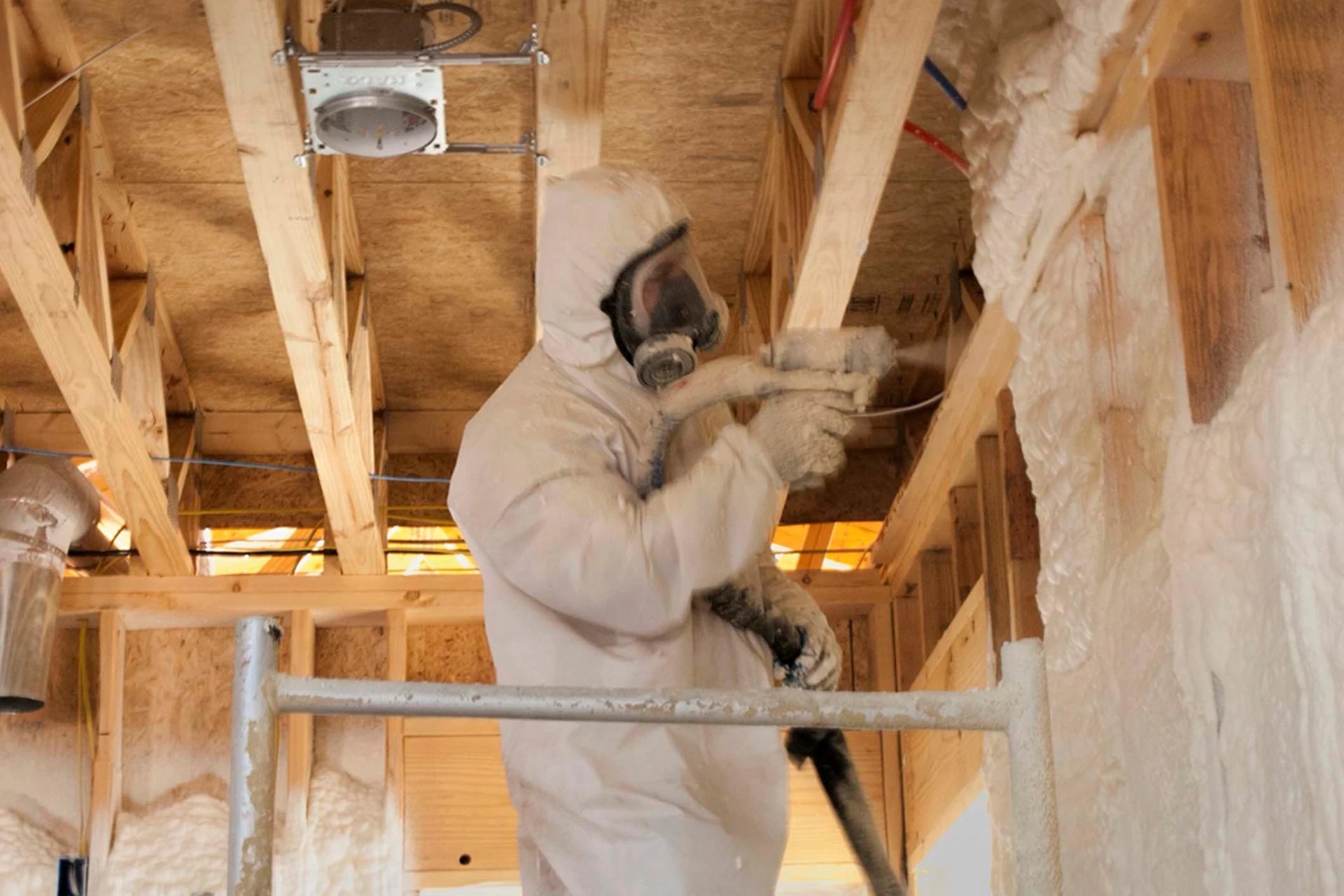
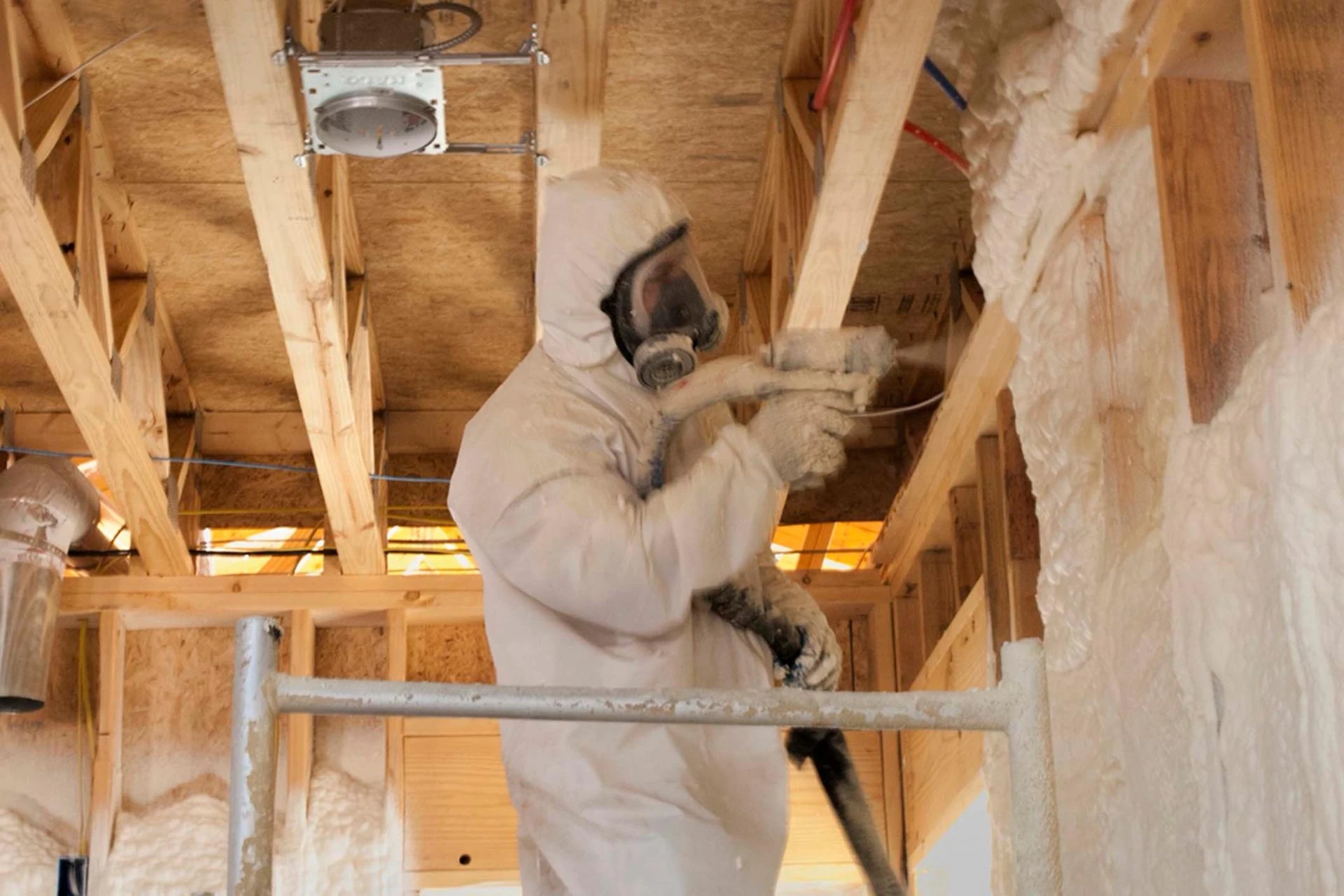
Sound can bounce off hard walls and floors. This creates an echo that makes a room feel loud. Soft materials inside the walls soak up these echoes like a sponge.
- Materials fill the gaps between studs.
- They stop vibrations from traveling through the wood.
- This makes the whole house feel more solid and quiet.
Bonus Tips
Check for small gaps around the windows. Sound leaks through air gaps just like water. Sealing these spots makes the room even quieter for sleeping.
Regional Weather Factors
In cold areas like Chicago, thick walls are a must. They keep the heat inside during the winter. These same thick walls block the sound of snow plows and wind during storms.
Things to Consider Before Choosing Materials
The thickness of the wall matters for sound. Thinner walls need denser materials to work well. Owners should first consider the age of their home.
- Identify the main source of the noise.
- Choose materials with a high sound rating.
- Focus on bedrooms and home offices first.
- Ensure the material fits tightly in the wall space.
| Material Type | Sound Reduction Level | Best Use |
|---|---|---|
| Fiberglass | Medium | Attic floors and ceilings |
| Cellulose | High | Blown into existing walls |
| Open Cell Foam | Very High | Filling every tiny air gap |

Steps to a Quieter Sleeping Area
They start by checking for air leaks in the room. Sound travels wherever air can move. Using a professional insulation team to find these leaks is a smart move.
Next, they look at the type of walls in the home. Some materials work better in new homes than in old ones. Pros know which one fits the house's specific build.
Improving the Sound Transmission Class
The STC rating tells how well a wall stops sound. A higher number means more silence in the room. Most standard walls have a low rating that lets voices through.
Adding the right material can double this rating. This means a person can sleep while others watch TV nearby. It creates a better life for everyone in the home.
Why Density Matters
Heavy materials stop sound better than light ones. This is because sound waves struggle to move heavy objects. Professionals choose materials that add mass to the wall.
Bonus Tips
Use rugs on the floor to stop sound from below. Thick pads under the rug help even more. This stops the sound of footsteps in the hallway.
Final Thoughts on Home Quietness
A quiet home is a healthy home. Reducing noise helps people feel less stressed and more energy. It is a change that pays off every single night.
They suggest inspecting the entire house for noise leaks. Every small fix adds up to a big change. Owners should think about their long term comfort and health goals.
Find Professional Help for a Quieter Home
They provide expert help to make homes more peaceful. South Chicago Insulation has the tools to find and fix noise issues. Their team understands how to choose the best materials for any budget.
People can send an email to [email protected] for more info. They are also available at (779) 803-8025 to answer questions. They focus on helping families get the deep sleep they deserve.
Questions About Soundproofing Rooms
Can insulation stop all outside noise?
No material can stop every single sound. However, the right products reduce noise to a very low level. This makes sounds like traffic or wind much harder to hear.
Is spray foam better than fiberglass for sound?
Open cell spray foam is very good at stopping sound. It expands to fill every crack where noise might enter. Fiberglass is also good if it is packed tightly.
Should I insulate interior walls?
Yes, this is a great way to gain privacy. It stops sound between bedrooms and bathrooms. It also helps if one person goes to bed earlier than others.
How long does the installation take?
Most crews finish a home in one or two days. It depends on the size of the project. They work to keep the house clean while they do the job.
Does noise reduction help kids sleep?
Children are often very light sleepers. Reducing hallway noise helps them stay asleep. This leads to a better night for the whole family.
Author: Bob Gasca attended his first spray foam training in 2007 and has continued to pursue yearly training to stay current with the latest technology and practices. He is a certified Spray Foam Master Installer through the SPFA and a member of the SPFA. Additionally, Bob serves as a Spray Foam Worldwide Ambassador, sharing information with spray foam professionals globally. Recently, he returned from a building science training program, where he expanded his knowledge of how weather conditions affect home performance, helping him better diagnose and improve home health for families. Bob specializes in solving complex moisture and air infiltration issues.
Reviewer: Noah Gonzalez uses his nine years of field experience to help contractors provide better service to their clients.


























Sign in to leave a comment.