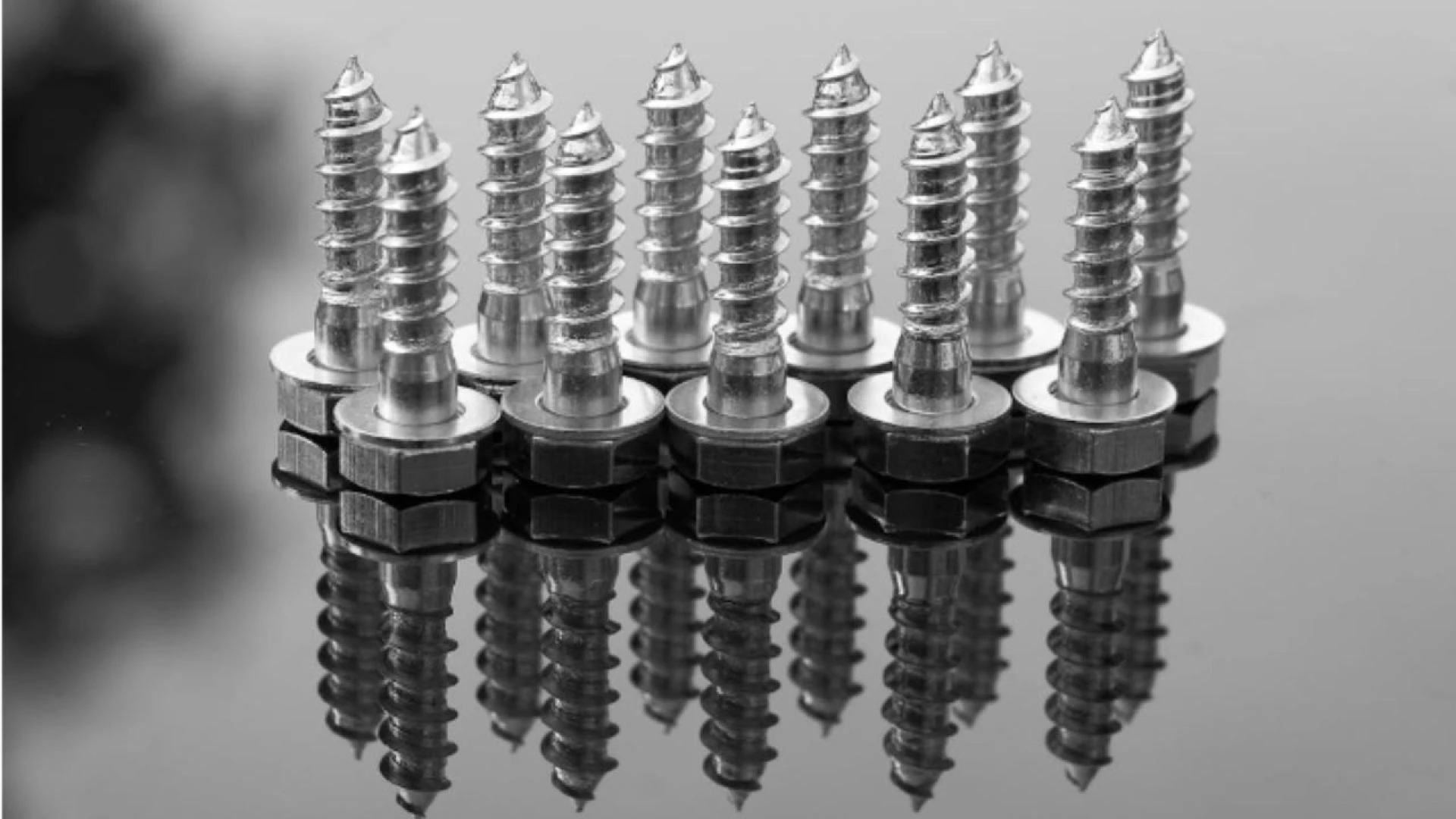
Keeping people and property safe can feel scary sometimes, especially when you know how easy it is to loosen a few screws and walk off with something important. That’s where good tamperproof screws come in. They’re a small detail, but they make a big difference in how hard it is for someone to mess with your stuff.
If you’re trying to protect cameras, gates, signs, or equipment, you don’t just want any screw from a discount bin. You want the right fastener, from a trusted source, so you’re not worrying later about a cheap part failing when it matters most.
Below, we’ll walk through where to buy quality tamperproof screws, what to look for, and how to avoid junk hardware that only looks secure.
Why tamperproof screws matter for real-world security
In simple terms, tamperproof screws are special fasteners designed so they can’t be removed with regular tools like common screwdrivers or basic bits. They use unique drives and patterns that need matching tools, which stops quick, easy theft or vandalism.
They help with:
- Protecting cameras, alarms, and access panels
- Securing public signs, benches, and fixtures
- Locking down covers on electrical or network boxes
- Adding another layer of bolting security to gates, fences, and doors
When you buy quality tamperproof screws, you’re not just buying metal. You’re buying time. You’re making it slower and harder for someone to tamper with your gear, and sometimes that delay is enough to stop the problem before it starts.
What to check before you buy tamperproof screws
Choosing the wrong screw is like buying the right lock with the wrong key. It just doesn’t work well. Before you order anything, slow down and match the fastener to the job.
Matching tamperproof screws to your project
Think about:
- What you’re fastening (metal, wood, concrete, plastic)
- How thick the materials are
- Whether the screw needs to be removable later
For example, public bathroom fixtures or street signs often use permanent, one-way style tamperproof screws that are not meant to come back out. Equipment panels and access doors usually use “secure but removable” drives, so techs can still service them.
If you’re unsure, it often helps to sketch the setup, measure thickness with a tape, and then ask a specialist or supplier for help choosing the right length, diameter, and drive style.
Material, coating, and environment
Outside, cheap steel screws can rust fast. That rust can stain surfaces, weaken the hardware, and even lock the screw in place for good. For outdoor or wet areas, look for:
- Stainless steel (304 or 316 for harsh or coastal zones)
- Weather-resistant coatings like zinc or specialized finishes
- Matching washers and anchors rated for the same environment
Indoor, low-moisture projects can use more basic materials, but if you care about long life and solid bolting security, stainless is often worth the extra cost.
Tools, bits, and installation
Every tamperproof screws design needs the correct driver or bit. Before you buy, make sure:
- The matching tool is easy to get now and later
- You have enough bits for your crew (they can wear out)
- You understand how much torque you can apply without stripping the head
Suppliers like Loss Prevention Fasteners & Tools focus on both the fasteners and the tools, which makes it easier to get a full, working system instead of hunting for bits after your shipment arrives.
Where to buy high-quality tamperproof screws
Not all sellers treat security hardware the same way. Some just toss a few “security screws” in a plastic bag and call it a day. Others design full systems, test them, and support them with real guidance. Here’s where to look first.
Buying from dedicated security fastener specialists
Your best bet for serious bolting security is a company that lives and breathes tamper-resistant hardware. A specialist will:
- Carry many drive styles, sizes, and materials
- Help you choose the right screw for your exact project
- Offer matching tools, bits, and accessories
- Know common building codes and industry needs
Brands like Loss Prevention Fasteners & Tools focus on this exact niche. Working with a company like that often means you can call, explain your setup in plain language, and get a clear answer instead of guessing in an online drop-down menu.
Using online industrial marketplaces
Large online industrial marketplaces are useful when you:
- Already know the exact type and size you need
- Want to compare prices across brands
- Need bulk packs shipped quickly
Look for listings that:
- Show clear drive style photos
- List the material (for example, 18-8 stainless, 316 stainless)
- Include specs for length, diameter, and thread type
- Have real reviews from contractors or facility managers
If a listing doesn’t say what the screw is made of or doesn’t show the head clearly, that’s a warning sign. Security hardware should never be a mystery purchase.
Local hardware stores and home centers
Local stores are great for small, simple jobs or quick “I need it today” fixes. But they usually carry a very limited selection of tamperproof screws, often in just one or two drive styles.
For:
- Small home projects
- Temporary setups
- Simple indoor uses
they’re fine. For big security work, mission-critical gear, or anything under public use, it’s wiser to test a small sample from a specialty supplier first, then order the full batch once you’re sure.
How to avoid cheap, low-quality “security” screws
It’s frustrating to spend time installing “security” hardware, only to find out it strips easily or rusts in a few months. Watch for these red flags:
- No brand name or manufacturer listed at all
- Very thin heads that twist or snap under normal torque
- Soft metal that deforms the first time you drive it
- No mention of corrosion resistance or testing
Good tamperproof screws usually come with clear specs, a known brand, and matching tools. If a seller can’t explain which bit you should use, or what the screw is made from, that’s a sign you should keep looking.
Installation, removal, and real-life questions
Even strong security fasteners need to be practical. You want them tight and tamper-resistant, but you don’t want to trap yourself either.
“Secure but serviceable” vs. permanent fasteners
There are two big groups of tamperproof screws:
- Permanent styles: One-way heads and break-off screws that are not meant to come out
- Serviceable styles: Special drives (like pin-in heads or custom patterns) that can be removed with the right tool
Use permanent styles only when you are sure you will not need to remove the fastener later or when you’re okay drilling them out in the future. For anything that requires regular service, choose a design that balances security and access.
how do i remove one way screws without damage?
Many people ask, how do i remove one way screws once they’re installed. The honest answer is: they’re not designed to come out cleanly. That’s the whole idea. But there are a few methods:
- Using a special removal tool (some security suppliers sell them)
- Cutting a new slot across the head with a rotary tool, then using a flathead driver
- Gripping the head with locking pliers if there’s enough of it exposed
Be ready for the screw to be ruined during removal, and sometimes the surface around it can be marked, too. This is why planning ahead—choosing permanent vs. removable designs—is so important.
Simple buying checklist before you place an order
Before you click “buy,” run through this short list:
- Do I know the material and thickness I’m fastening?
- Am I choosing permanent or serviceable tamperproof screws on purpose?
- Is the material stainless or otherwise corrosion-resistant for my environment?
- Do I have (or am I ordering) all the matching tools and bits?
- Is the seller a specialist or at least clearly knowledgeable about security fasteners?
If you can answer “yes” to all of these, you’re in a good place.
Final thoughts: spend a little more, worry a lot less
Good tamperproof screws don’t fix every security problem. But they do close off one of the easiest paths for thieves and vandals: loose, easy-to-remove hardware. When you buy from a trusted source, and match the screw to the job, you get peace of mind that’s hard to put a price on.
Take the time to choose carefully, ask questions, and treat bolting security as a real part of your safety plan—not an afterthought. That way, months from now, you’re not standing in front of missing equipment or a broken panel wishing you had taken that extra step.
FAQs
Are all “security screws” the same as high-quality tamperproof screws?
No. Some cheap “security screws” are easy to remove or strip; true high-quality tamperproof screws use tested designs, strong materials, and proper matching tools.
Can I still service equipment that uses tamperproof screws?
Yes, if you choose serviceable styles and keep the correct driver bits or tools from your supplier stored in a safe, known place.
Do I need stainless steel for indoor projects?
Not always, but stainless tamperproof screws often last longer and resist rust, which is helpful in damp, kitchen, or bathroom areas.
Where should I buy serious security fasteners?
Start with the real security hardware companies, such as Loss Prevention Fasteners & Tools, or any of your other trusted fastener brands that provide clear specs and support.
Can I upgrade from standard screws to tamperproof screws later?
Yes. You can remove old hardware in most instances and put in place like-size tamperproof screws and immediately enhance the security of your already existing equipment or fixtures.















Sign in to leave a comment.