

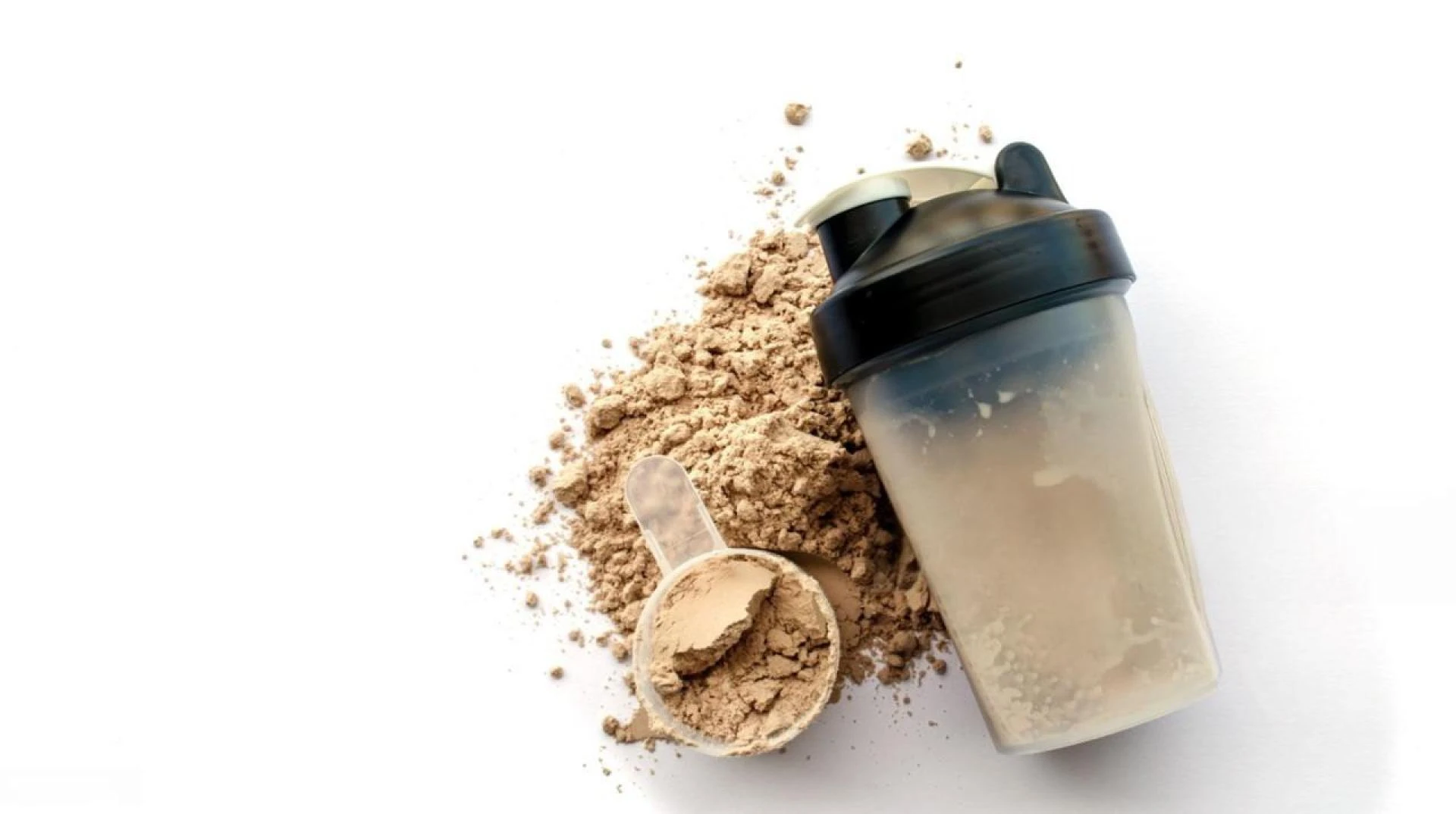
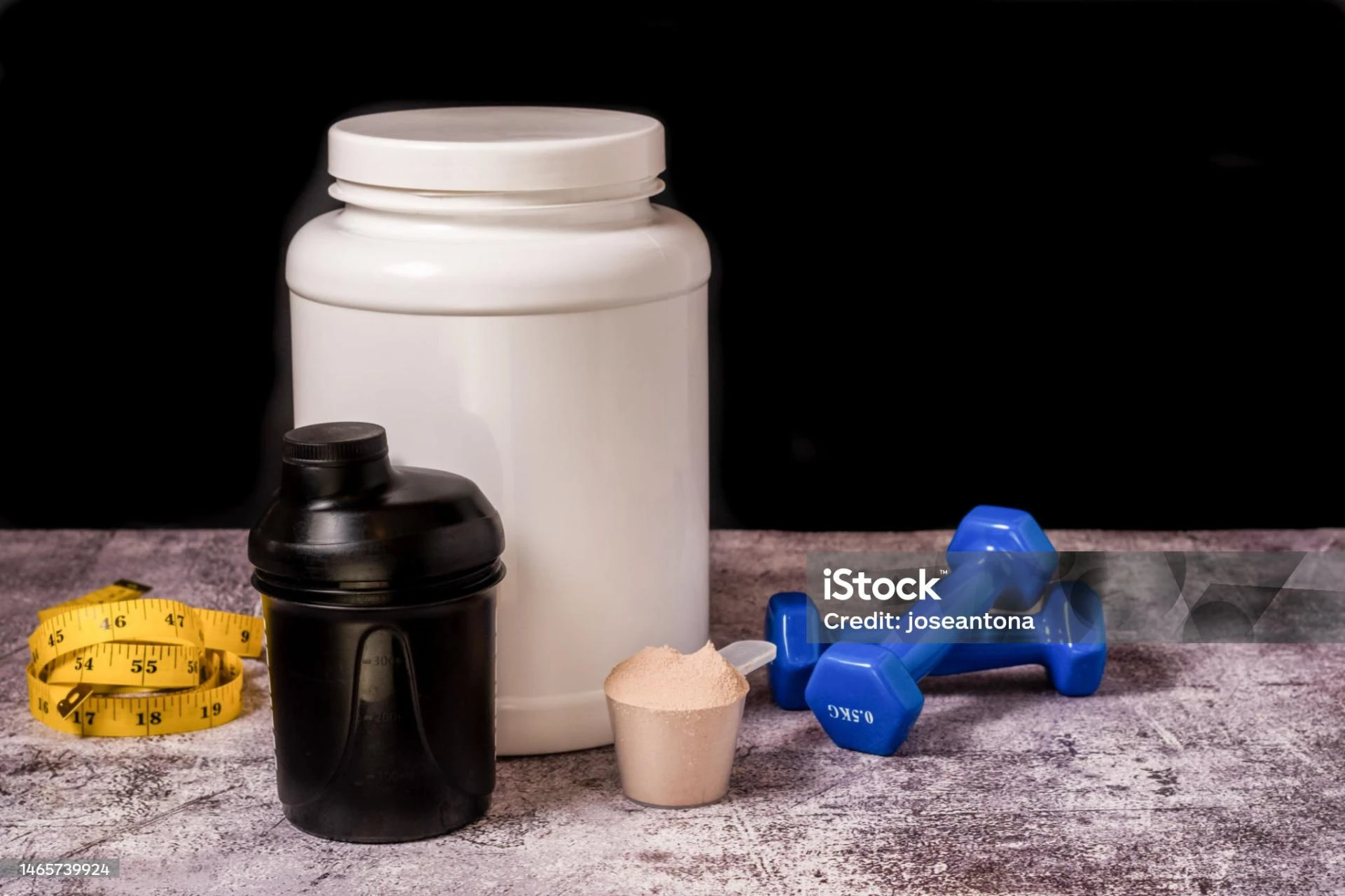
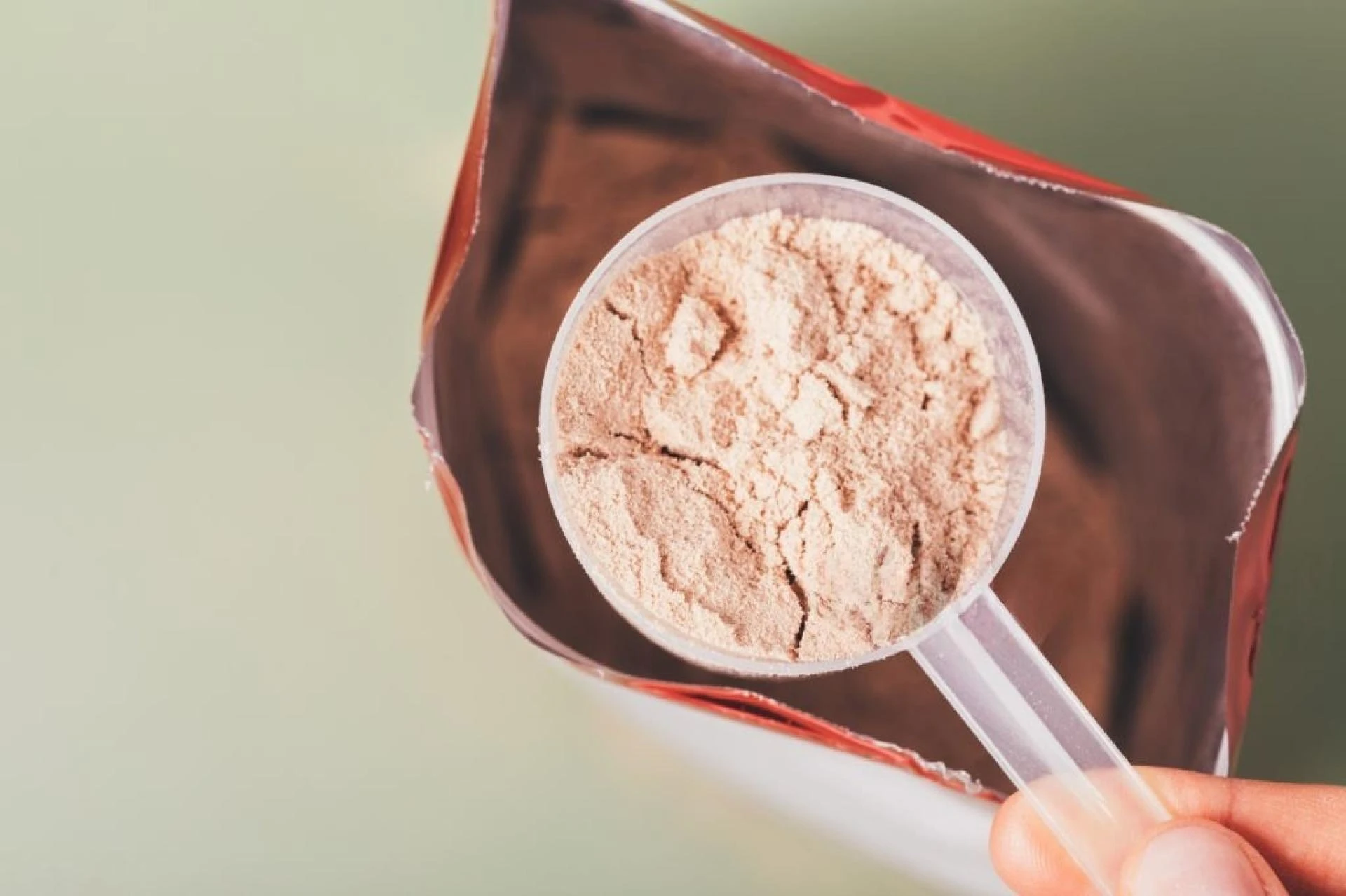
Whey protein is a high-quality protein extracted from cow’s milk and is known for being rich in essential amino acids. During the production process, milk is filtered to separate liquid whey from fats and carbohydrates. This whey is then processed, dried into a fine powder, and often flavored to make it easy and convenient to consume.
Today, whey is available in multiple forms to suit different fitness goals and dietary needs. Because of its high protein content and fast absorption, whey products have become one of the most popular choices for people who want better muscle recovery, strength, and overall health.
What is the Main Component of Whey Protein?
One of the biggest reasons whey is considered a premium protein is because it digests quickly and gets absorbed efficiently by the body.
It contains 9 essential amino acids, along with key protein fractions like:
- Beta-lactoglobulin (around 65%)
- Alpha-lactalbumin (around 25%)
- Serum albumin (around 8%)
It also provides BCAAs (Branched-Chain Amino Acids) like leucine, isoleucine, and valine, which are essential for muscle growth and recovery.
In simple terms, whey protein supports:
Muscle growth
Tissue repair
Faster recovery after workouts
Formation of new muscle fibers
How Many Types of Whey Protein Are There?
There are three major types of whey supplements, and each one offers different benefits depending on your goal.
1) Whey Protein Concentrate (WPC)
This is the most budget-friendly option in whey products and usually contains around 58% to 89% protein (varies by brand).
It also includes small amounts of:
- Fat
- Lactose
- Immune-supporting peptides
Best for:
- Beginners starting workouts
- People aiming to build muscle
- Those who want weight gain support
2) Whey Protein Isolate
Whey protein isolate is a more refined form of whey and contains around 95% protein, with very low lactose and fat (around 5%).
Because it’s cleaner and lighter, whey isolate is great for people who want lean muscle without adding extra carbs or fats.
Best for:
- Lean muscle building
- Cutting/fat loss phase
- People monitoring calories and carbs
3) Whey Protein Hydrolysate
This is the most advanced and expensive type. It typically contains around 99% protein, and the protein is broken down into smaller parts through a process called hydrolysis, which makes digestion and absorption even faster.
It is highly water-soluble and works quickly inside the body.
Best for:
- Faster recovery
- Easy digestion
- Nutrition support & immunity
- People needing quick absorption (including clinical nutrition support)
What Are the Health Benefits of Whey Protein?
Whey protein is packed with nutrients and supports overall health in many ways. It helps maintain muscles, strengthens bones, supports hair health, and boosts organ function.
Here are the key benefits of whey products:
Helps with Weight Loss
Whey protein can support fat loss by:
- Reducing body fat while protecting muscle mass
- Keeping carbs low and protein high for better fat burning
- Helping you feel full for longer and controlling cravings
It’s also low in fat, cholesterol, and lactose in many forms (especially isolates), making it easier for many people to include in a controlled diet.
Promotes Muscle Growth
Whey provides the body with essential amino acids needed to:
- Build new muscle
- Repair tissues
- Improve strength and performance
When taken along with resistance training, whey supports visible muscle gain and better body composition.
Helps Repair Muscles
Workouts and daily activity naturally cause muscle breakdown. Whey protein supports faster muscle recovery and reduces muscle soreness by helping repair damaged muscle fibers.
Supports Heart Health
Whey protein may help lower LDL cholesterol (bad cholesterol), which is linked to heart disease and stroke. It can also help improve blood pressure levels, supporting better cardiovascular health.
Helpful for Type 2 Diabetes Management
Taking whey protein before or with high-carb meals may help regulate blood sugar levels by imroving insulin response, making it beneficial for people managing type 2 diabetes.
Reduces Inflammation
High levels of inflammation can affect long-term health. Research shows whey protein may help lower markers like C-reactive protein (CRP), which is linked to inflammation in the body.
Boosts Antioxidant Levels
Whey supports the production of glutathione, one of the body’s strongest antioxidants, helping improve natural defenses and reduce the risk of chronic health problems.
Reduces Hunger and Improves Satiety
One of the biggest reasons whey is used in fat loss plans is because it helps you stay full for longer. This makes it easier to stick to low-calorie or controlled-meal diets.
Why Should You Take Whey Protein Supplements?
The biggest advantage of whey protein is that it supports both internal health and external appearance. It helps:
Build and strengthen muscles
Improve workout recovery
Support weight management
Promote bone and heart health
Enhance immunity
Improve skin, hair health, and overall body strength
Slow down signs of aging over time
However, it’s equally important to remember that taking too much whey may cause side effects like:
- Digestive discomfort
- Possible kidney strain (in extreme cases or existing issues)
- Risk of weakened bones if overall nutrition is poor
That’s why it’s always better to consume whey in moderation, and if needed, consult a nutritionist for the right intake based on your body and lifestyle.
Final Thoughts
Protein is a basic and essential nutrient your body needs every day. Since it contains key amino acids required for vital body functions, whey protein acts as a convenient and effective solution when daily protein from food isn’t enough.
When combined with regular exercise, especially weight training, whey protein isolate, whey isolate, and other whey products can support better fitness, stronger muscles, and improved overall health.





























Sign in to leave a comment.