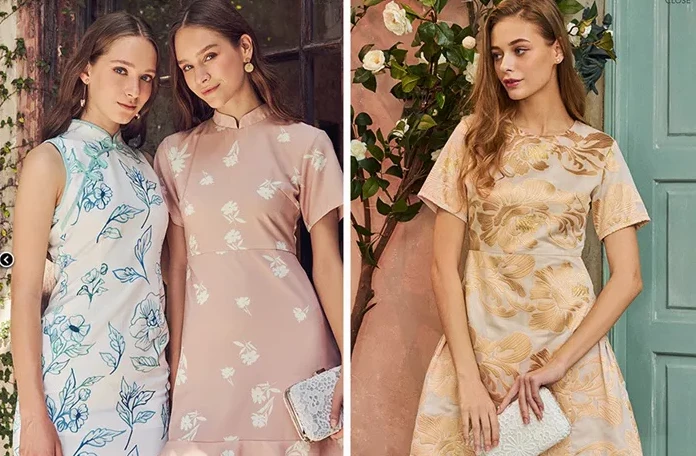

The cheongsam, also known as the qipao, is a traditional dress that carries deep cultural significance. It is widely recognized for its elegant design, close-fitting silhouette, and high collar. The cheongsam is often made from silk, satin, or brocade, featuring intricate patterns such as flowers, dragons, or geometric shapes. Its design reflects both modesty and sophistication, making it a symbol of traditional beauty.
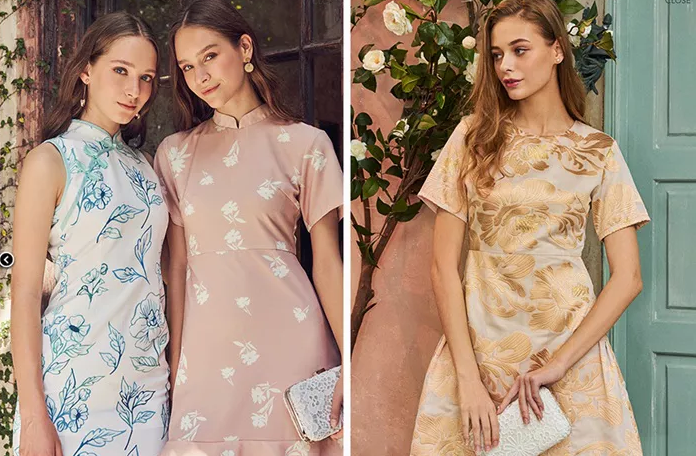
Understanding the cheongsam requires exploring its historical roots, cultural evolution, and the country where it originated. This article explains everything you need to know about the cheongsam, including its origins, modern adaptations, occasions for wearing it, and cultural significance.
Origin of the Cheongsam
The Birth in China
The cheongsam originated in China. Its roots can be traced back to the Qing Dynasty (1644–1912), a period when the Manchu rulers influenced Chinese fashion. Originally, the dress was loose and covered most of the body. It was worn by women as a long gown called the “changpao.”
Evolution During the 20th Century
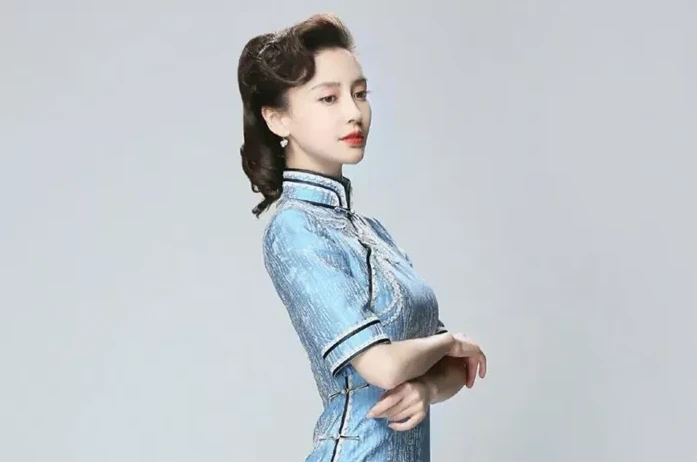
In the 1920s and 1930s, the cheongsam began to take the form that is recognized today. In Shanghai, it became more fitted and fashionable, incorporating Western tailoring techniques. The dress adapted to show the female silhouette while maintaining traditional elements like the high collar and side slits. This modernized cheongsam became a symbol of elegance and sophistication in Chinese society.
Cheongsam and Its Cultural Significance
Symbol of Chinese Identity
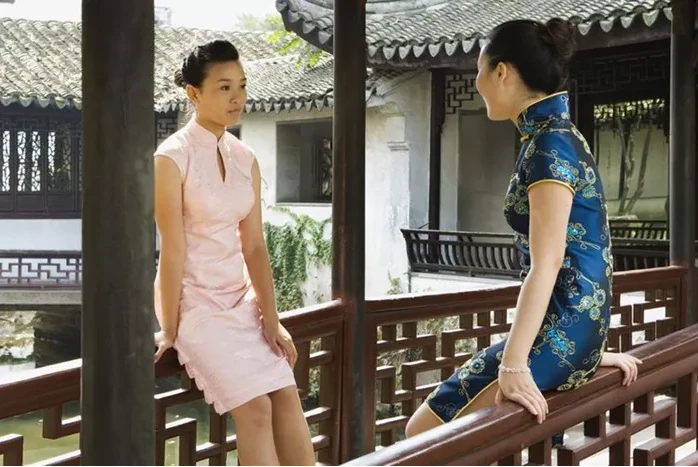
The cheongsam represents Chinese cultural heritage. It is often worn during important events such as weddings, festivals, and formal gatherings. The dress reflects values such as grace, femininity, and respect for tradition. Wearing a cheongsam shows appreciation for Chinese history and fashion.
Artistic Expression
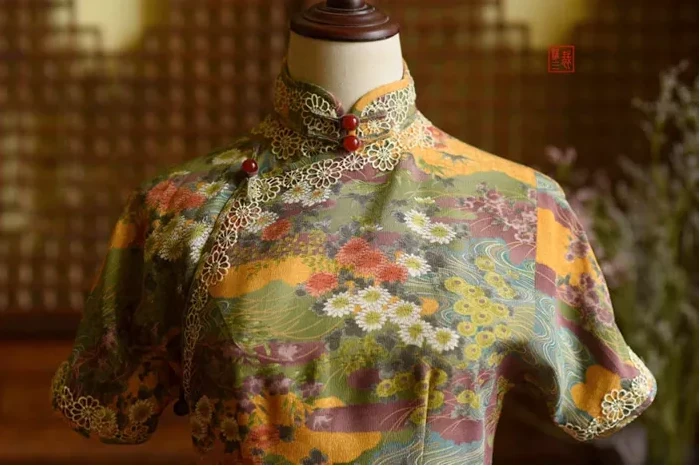
Cheongsam designs are a form of artistic expression. Skilled artisans create dresses using embroidery, silk weaving, and painting. Patterns may include phoenixes, peonies, and other symbolic motifs. Each design carries meaning, such as wealth, beauty, or happiness. The artistic aspect makes the cheongsam not only a piece of clothing but also a cultural artwork.
Key Features of the Cheongsam
High Collar
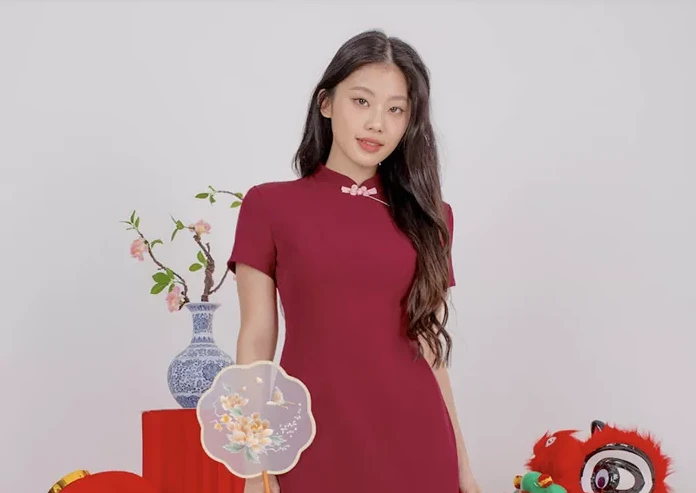
The high collar is one of the most recognizable features. It represents modesty and elegance, covering the neck while drawing attention to the face. The collar can vary in height and style, depending on the dressmaker’s design.
Side Slits
Side slits are another defining characteristic. They allow ease of movement while highlighting the wearer’s legs subtly. The slits are usually located at the hips or thighs, varying in length depending on cultural norms or fashion trends.
Fitted Silhouette
Modern cheongsams are tailored to fit the body closely, showing the natural curves. The fitted silhouette differentiates it from older, loose garments. This feature contributes to the dress’s reputation for elegance and sophistication.
Fabrics and Patterns
Cheongsams are made from luxurious fabrics such as silk, satin, and brocade. Patterns often include flowers, animals, and traditional Chinese symbols. These patterns are not just decorative—they carry cultural meanings and express artistic heritage.
Where the Cheongsam is Traditionally Worn
In China
China is the home of the cheongsam. It is traditionally worn during Chinese New Year, weddings, and other ceremonial occasions. In major cities, modern adaptations of the cheongsam are also worn in everyday life, though more commonly for formal or festive events.
Overseas Chinese Communities
Cheongsams are also worn by Chinese communities worldwide. For example, during cultural festivals in Singapore, Malaysia, and the United States, women often wear cheongsams to celebrate heritage and identity. It has become a global symbol of Chinese culture.
Modern Adaptations of the Cheongsam
Fashion Innovations
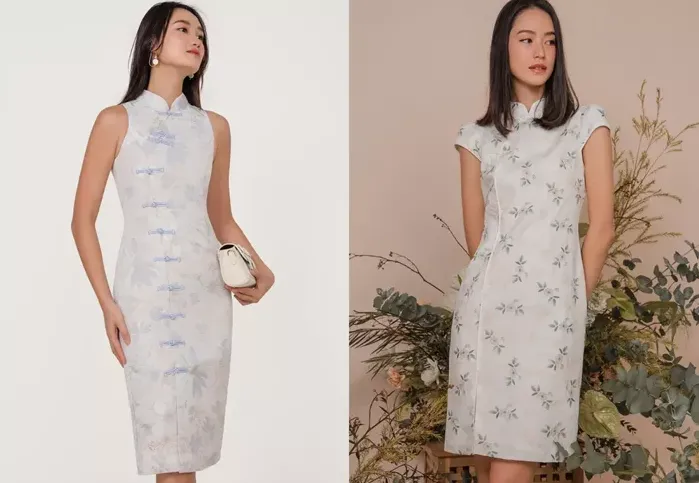
Today, designers integrate modern styles and materials. Shorter lengths, different fabrics, and diverse patterns make the cheongsam suitable for contemporary fashion. Some designs blend Western influences while keeping traditional elements, creating unique modern versions.
Cheongsam in Media and Pop Culture
The cheongsam appears frequently in films, television, and fashion magazines. Celebrities and influencers wear it at red carpet events, boosting its international recognition. This exposure helps maintain its status as a fashionable, culturally significant garment.
Choosing the Right Cheongsam
For Formal Occasions
When attending weddings or festivals, choose a cheongsam with traditional patterns and luxurious fabric. A longer design with subtle embroidery emphasizes elegance and respect for tradition.
For Casual or Modern Wear
Shorter cheongsams or those made with lighter materials are suitable for casual events. Bright colors and simplified patterns make the dress comfortable and stylish for modern use.
Cheongsam Care and Maintenance
Cleaning Tips
Silk cheongsams should be dry-cleaned to maintain fabric quality. Avoid washing in hot water or using harsh detergents. Proper care preserves the beauty and longevity of the garment.
Storage Advice
Store cheongsams in a cool, dry place. Use padded hangers to maintain shape and prevent wrinkles. Cover the dress with breathable fabric bags to protect from dust and sunlight.
Conclusion
The cheongsam is a beautiful representation of Chinese tradition and artistry. Originating from China, it has evolved from a loose, conservative gown into a fitted, elegant dress appreciated worldwide. Its high collar, side slits, and rich patterns make it unique. Today, the cheongsam remains a symbol of cultural identity, worn in both traditional ceremonies and modern fashion contexts.
In short, the cheongsam belongs to China as its traditional dress. Its history, cultural significance, and modern adaptations make it an essential part of Chinese heritage and a timeless fashion icon.



























Sign in to leave a comment.