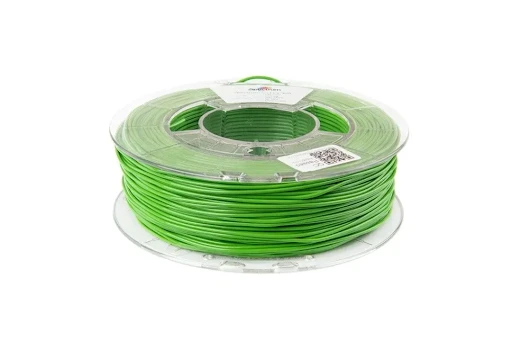
The world of 3D printing has rapidly evolved over the last decade, offering incredible potential for industries, hobbyists, and entrepreneurs alike. One of the most important elements in this technology is the filament, which acts as the "ink" for a 3D printer. However, when considering the cost of 3D printing, the filament price can vary significantly, and it’s essential to understand why. In this article, we’ll dive into the factors that impact 3D printing filament price, providing an in-depth look at how these variables shape the overall cost.
Material Type and Quality
One of the most significant factors affecting 3D printing filament price is the type of material used. There are several options available, each with its unique properties and costs.
- PLA (Polylactic Acid): PLA is one of the most common 3D printing filaments due to its ease of use and biodegradable nature. It's typically one of the most affordable materials on the market. However, even within the PLA category, there are price differences based on purity, additives, and the quality of the raw material.
- ABS (Acrylonitrile Butadiene Styrene) is another popular filament choice, especially for producing durable and impact-resistant objects. Due to the complexity of its production and the added cost of maintaining the necessary printing environment (e.g., heated beds), ABS tends to be more expensive than PLA.
- Specialty Filaments: Materials like PETG, Nylon, TPU, and carbon fiber-filled filaments tend to be much pricier. These filaments require more sophisticated manufacturing processes and offer enhanced properties such as flexibility, durability, and resistance to high temperatures.
Filament Diameter and Weight
Filament is sold by weight or length, and this can play a significant role in its pricing. The most common diameters for 3D printing filament are 1.75mm and 2.85mm. Filaments with higher precision manufacturing and consistent diameters often come at a premium.
When buying filament, you will also notice that the weight of the spool impacts the price. A 1kg spool is typically cheaper than a 3kg or 5kg spool. However, buying in bulk can offer substantial savings, making it a preferred option for businesses or enthusiasts who print regularly. Thus, the weight and consistency of the filament directly impact its cost, as high-quality and larger quantities often mean higher prices.
Brand and Manufacturing Process
Brand reputation is another crucial determinant in the 3D printing filament price. While many generic filament brands are available, established and well-known brands often command a premium. These brands invest heavily in their products' consistency, quality, and precision. The manufacturing process also influences the price. Filament extrusion requires advanced machinery to ensure consistent diameter, smoothness, and minimal defects.
Supply Chain and Market Demand
Like any other industry, supply chain disruptions and market demand significantly affect the price of filament if there are disruptions in the supply chain, whether due to natural disasters, geopolitical factors, or trade restrictions, the cost of raw materials can skyrocket, leading to a direct increase in filament prices.
However, market demand also plays a role. During times of heightened demand, such as a boom in the adoption of 3D printing in education or business, the filament market can become oversaturated, causing a temporary price hike. Conversely, a drop in demand can lead to a decrease in price.
Filament Color and Special Additives
The color of the filament itself can influence its price. Standard colors like black, white, and gray are typically cheaper than specialty colors like metallics or translucent filaments. Specialty colors often require additional processing or unique pigments, which can drive up the cost.
Similarly, 3D printer filaments containing additives such as glow-in-the-dark materials, carbon fiber, or wood infusions tend to be more expensive due to the additional complexity involved in manufacturing. These additives enhance the filament’s properties but increase the overall price.
Conclusion
Whether you opt for budget-friendly PLA or high-performance materials, always balance cost with the quality and functionality your projects require. For those seeking high-quality, reliable filament, brands like 3D Printing USA offer a range of products designed to meet various printing needs at competitive prices.

























Sign in to leave a comment.