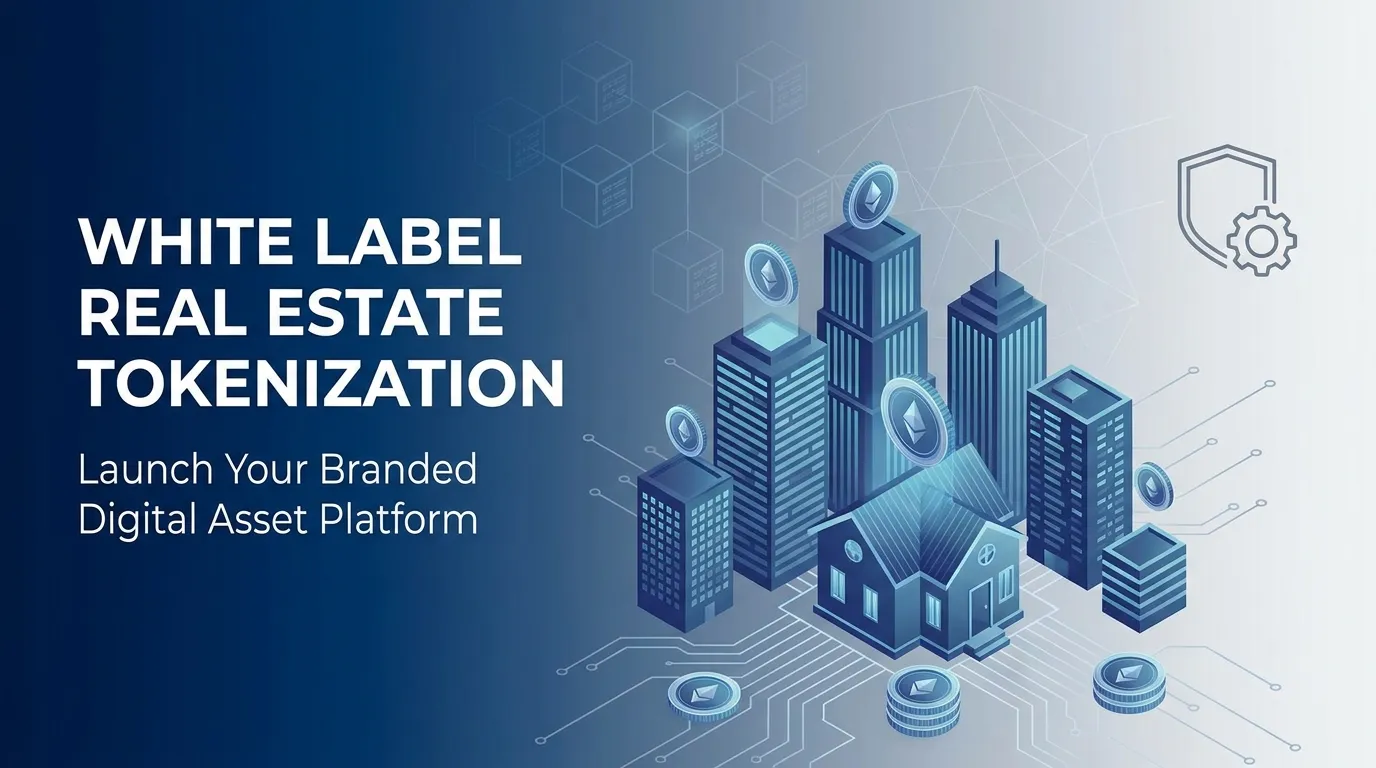

Real estate has always been one of the world’s most trusted asset classes, but it has also been one of the least accessible. Buying property usually requires high capital, long documentation cycles, legal verification, broker involvement, and significant waiting time before ownership transfer or resale. For large commercial assets, hotels, luxury apartments, land parcels, and income-generating properties, the barrier is even higher. This is where real estate tokenization is gaining attention. By converting ownership rights or economic interests in a property into blockchain-based digital tokens, tokenization allows real estate assets to be divided into smaller, tradable units that can be purchased by a broader pool of investors.
The momentum behind this model is no longer theoretical. Deloitte predicts that tokenized real estate could grow from less than US$0.3 trillion in 2024 to US$4 trillion by 2035, representing a projected compound annual growth rate of 27%. Citi has also forecast a broader tokenized asset market of US$5.5 trillion in a base case by 2030, rising to US$8 trillion in a bull case. These figures indicate that tokenization is moving from experimentation toward institutional adoption, especially as asset owners, fintech companies, real estate developers, and investment platforms look for faster and more flexible ways to raise capital.
What Is White Label Real Estate Tokenization?
White Label Real Estate Tokenization refers to a ready-made, customizable software solution that enables businesses to launch their own branded real estate tokenization platform without building the entire infrastructure from scratch. Instead of spending years developing blockchain architecture, investor dashboards, compliance workflows, wallet systems, token issuance modules, and admin controls, companies can use a pre-built framework and customize it according to their brand, business model, jurisdiction, and asset strategy.
A White Label Real Estate Tokenization Platform typically allows property owners, developers, real estate investment firms, and fintech startups to tokenize residential, commercial, industrial, hospitality, or land-based assets. The platform supports the creation of digital tokens that represent fractional ownership, revenue-sharing rights, debt interests, or other legally structured claims connected to the underlying real estate asset. This makes it easier for issuers to raise capital while giving investors access to property-backed opportunities with lower entry requirements.
White Label Real Estate Tokenization Services are especially valuable because tokenization is not only a technology task. It requires a mix of blockchain development, smart contract engineering, legal structuring, KYC/AML integration, investor management, payment processing, secondary transfer controls, cybersecurity, and user experience design. A white label approach shortens the development cycle while still allowing the business to operate under its own name, interface, and commercial strategy.
How Real Estate Tokenization Works
Real estate tokenization begins with asset selection and legal structuring. A property may be placed under a special purpose vehicle, trust, fund, or another legal entity depending on the jurisdiction and offering model. Tokens are then created to represent rights connected to that entity or asset. These rights may include fractional ownership, rental income participation, profit-sharing, debt repayment, or preferred returns.
Once the structure is finalized, smart contracts are deployed on a blockchain network. These smart contracts define how tokens are issued, transferred, restricted, burned, or used for automated distributions. For example, if a tokenized rental property generates monthly income, the platform can calculate each investor’s share and support automated payout workflows. The blockchain ledger records token ownership, creating a transparent and tamper-resistant ownership trail.
However, tokenization does not eliminate the need for off-chain governance. Legal documents, property titles, valuation reports, tenancy agreements, and compliance records remain critical. Recent research on real-world asset tokenization highlights that many tokenized systems use hybrid architectures: blockchain supports transfer, settlement, redemption, and recordkeeping, while legal enforceability still depends on off-chain structures such as custodians, contracts, compliance checks, and dispute mechanisms. This is why a strong platform must connect blockchain functionality with legal and operational workflows rather than treating tokenization as a purely technical process.
Core Features of a White Label Real Estate Tokenization Platform
A robust platform must do more than mint tokens. It should support the full investment lifecycle from asset onboarding to investor payouts and reporting. Some of the most important features include:
- Asset listing and deal pages: Each property should have detailed information such as valuation, location, projected returns, ownership structure, documents, images, risk disclosures, and investment terms.
- KYC and AML verification: Investor onboarding must include identity verification, anti-money laundering checks, accreditation rules where applicable, and jurisdiction-based restrictions.
- Smart contract-based token issuance: Tokens should be programmable, auditable, and aligned with the legal rights attached to the asset.
- Investor dashboard: Users should be able to view holdings, transaction history, income distributions, documents, wallet details, and portfolio performance.
- Admin control panel: Issuers need tools to manage properties, investors, compliance approvals, token supply, transfers, payouts, and reporting.
- Payment and wallet integration: The platform may support fiat payments, stablecoins, crypto wallets, custodial wallets, or hybrid payment methods depending on regulatory requirements.
- Transfer restrictions and secondary market support: Since many tokenized real estate assets may be securities, the platform should include whitelisting, lock-up periods, eligibility checks, and compliant transfer rules.
These features are central to market trust. A platform that only enables token creation but lacks compliance, reporting, and investor servicing will struggle to attract serious issuers or long-term investors.
Key Benefits for Real Estate Businesses and Investors
The primary advantage of real estate tokenization is fractional access. A high-value property can be divided into thousands or even millions of tokens, allowing investors to participate with smaller amounts. This broadens the investor base and can make premium properties more accessible to retail or international investors, subject to legal restrictions.
For property owners and developers, tokenization can become an alternative capital-raising channel. Instead of depending only on banks, private equity, or a small circle of high-net-worth investors, issuers can structure offerings for a wider pool of qualified participants. This is particularly useful for commercial properties, development projects, hospitality assets, and income-generating buildings that require large upfront capital.
Liquidity is another major promise, although it should be understood carefully. Traditional real estate is difficult to sell quickly because transactions involve brokers, legal checks, financing approvals, registration, and negotiation. Tokenized real estate can potentially enable faster secondary transfers, but actual liquidity depends on investor demand, marketplace design, regulatory permissions, and market-making infrastructure. A 2025 academic paper on RWA liquidity notes that while more than US$25 billion in tokenized real-world assets had been brought on-chain, many RWA tokens still faced low trading volumes, limited active investor participation, and restricted secondary markets. In other words, tokenization improves the infrastructure for liquidity, but it does not automatically guarantee active trading.
Transparency is another strong benefit. Blockchain records can make ownership tracking more reliable, reduce reconciliation errors, and create a clear audit trail. Smart contracts can also automate repetitive workflows such as dividend distribution, investor record updates, compliance checks, and transfer approvals. For businesses, this can reduce administrative friction. For investors, it can create greater visibility into their holdings and transactions.
Real-World Examples and Market Lessons
One of the earliest high-profile examples of real estate tokenization was the St. Regis Aspen Resort offering in 2018. Elevated Returns completed an US$18 million tokenized real estate offering connected to the luxury hotel, demonstrating that blockchain-based fractional ownership could be applied to institutional-grade hospitality assets. The deal attracted attention because it showed that tokenization could be used not only for experimental digital assets but also for recognizable, income-generating real estate.
Another important lesson comes from platforms that tokenize rental properties. These models show how investors can purchase fractional interests in individual properties and potentially receive rental income. However, they also reveal that real estate tokenization is still fundamentally tied to real-world property management. If tenants, repairs, taxes, leases, or local compliance are mishandled, the tokenized structure cannot solve the underlying operational problem. Tokenization makes ownership more digital, but the asset remains physical.
This is why the best tokenization projects focus heavily on due diligence. Strong platforms verify title records, inspect property documents, assess valuation quality, evaluate rental income assumptions, disclose risks clearly, and create governance processes for ongoing asset management. The technology may make investment access easier, but trust still depends on the quality of the asset and the credibility of the issuer.
Compliance and Legal Considerations
Real estate tokens often fall under securities or investment contract rules, especially when investors contribute money with an expectation of profit from the efforts of an issuer, manager, or third party. In the United States, the SEC’s investment contract analysis under the Howey test considers whether there is an investment of money in a common enterprise with a reasonable expectation of profits derived from the efforts of others. Similar principles exist in many jurisdictions, even if the exact regulatory language differs.
This makes compliance one of the most important parts of any white label real estate tokenization project. Platforms should support investor eligibility checks, jurisdiction-based restrictions, securities offering documentation, transfer controls, tax reporting, data privacy, and audit trails. Businesses must also consider whether tokens represent equity, debt, revenue rights, fund units, or contractual claims, because each structure has different legal implications.
Ignoring compliance can damage investor trust and expose issuers to enforcement risk. A professional tokenization platform should therefore be designed with regulatory flexibility, allowing businesses to adapt workflows according to local laws and offering structures.
Major Use Cases of Real Estate Tokenization
Tokenization can be applied across many real estate segments, but the strongest use cases are those where high asset values, limited liquidity, and broad investor interest intersect.
Commercial real estate is one of the most promising areas. Office buildings, retail centers, warehouses, and mixed-use properties often require large capital commitments. Tokenization can divide these assets into smaller investment units while helping owners reach a broader capital base.
Hospitality assets such as resorts, hotels, and serviced apartments are also suitable because they often generate recurring revenue and attract global investor interest. The St. Regis Aspen case showed how luxury hospitality can be connected to tokenized investment structures.
Residential rental portfolios can benefit from fractional ownership and automated income distribution. Instead of purchasing an entire rental unit, investors may gain exposure to a property or portfolio through smaller tokenized positions. This can appeal to investors looking for rental income without directly managing tenants or maintenance.
Real estate development projects are another use case. Developers can tokenize future revenue rights, project equity, or debt-based financing structures, depending on legal feasibility. This can support fundraising before or during construction, though such models require careful risk disclosure because development projects carry completion, approval, and market risks.
Land tokenization may also emerge in markets where land ownership records are reliable and legally transferable. However, land can be complex due to zoning, title disputes, environmental restrictions, and local ownership rules.
Why Businesses Choose a White Label Model
Building a tokenization platform from scratch can be expensive, time-consuming, and technically complex. Businesses need blockchain developers, backend engineers, frontend teams, compliance consultants, cybersecurity experts, payment integration specialists, and product managers. Even after launch, they must maintain the system, update smart contracts, respond to regulatory changes, and support users.
A white label model reduces this burden. It gives businesses a faster route to market while preserving brand control. Instead of investing heavily in foundational infrastructure, the company can focus on asset sourcing, investor acquisition, legal structuring, marketing, and customer relationships. This is especially useful for startups, real estate agencies, investment firms, and developers that want to test tokenization without committing to a multi-year custom build.
Blockchain App Factory’s real estate tokenization offering, for example, describes white label capabilities such as asset listings, investor dashboards, KYC flow, token controls, admin tools, payout modules, and branded launch support. These are the types of modules that businesses usually need when moving from a tokenization concept to a functioning investment platform.
Conclusion
White label real estate tokenization is reshaping how property assets can be funded, owned, managed, and traded. It combines the stability of real estate with the programmability of blockchain, creating opportunities for fractional ownership, broader investor access, automated payouts, improved transparency, and more flexible capital formation. Yet success depends on more than technology; it requires legal clarity, strong compliance, credible asset management, investor protection, and a platform built for real-world operations. For businesses planning to enter this market with confidence, Blockchain App Factory provides the best services by offering practical white label and custom real estate tokenization solutions that help companies launch secure, scalable, and brand-ready platforms.
FAQs
1. What is real estate tokenization?
Real estate tokenization is the process of converting ownership rights, income rights, or investment interests in a property into blockchain-based digital tokens. These tokens can represent fractional exposure to residential, commercial, hospitality, or land-based assets.
2. Is a white label real estate tokenization platform suitable for startups?
Yes. A white label platform is often suitable for startups because it reduces development time and cost. Instead of building blockchain infrastructure from scratch, startups can customize an existing platform and focus on compliance, asset acquisition, branding, and investor onboarding.
3. Are real estate tokens legally recognized?
Legal recognition depends on the jurisdiction and token structure. Many real estate tokens may be treated as securities or investment products, so businesses must follow applicable laws, including investor verification, disclosure, transfer restrictions, and offering regulations.
4. Can tokenized real estate be traded on secondary markets?
Yes, but only when the platform and legal structure allow compliant transfers. Secondary trading may require whitelisted investors, lock-up periods, regulated exchanges, or transfer agent involvement. Tokenization can support liquidity, but actual market activity depends on demand and regulation.
5. What types of properties can be tokenized?
Many asset types can be tokenized, including apartments, commercial buildings, hotels, resorts, warehouses, retail spaces, land parcels, rental portfolios, and development projects. The best candidates are usually assets with clear ownership records, reliable valuation, and strong income or appreciation potential.

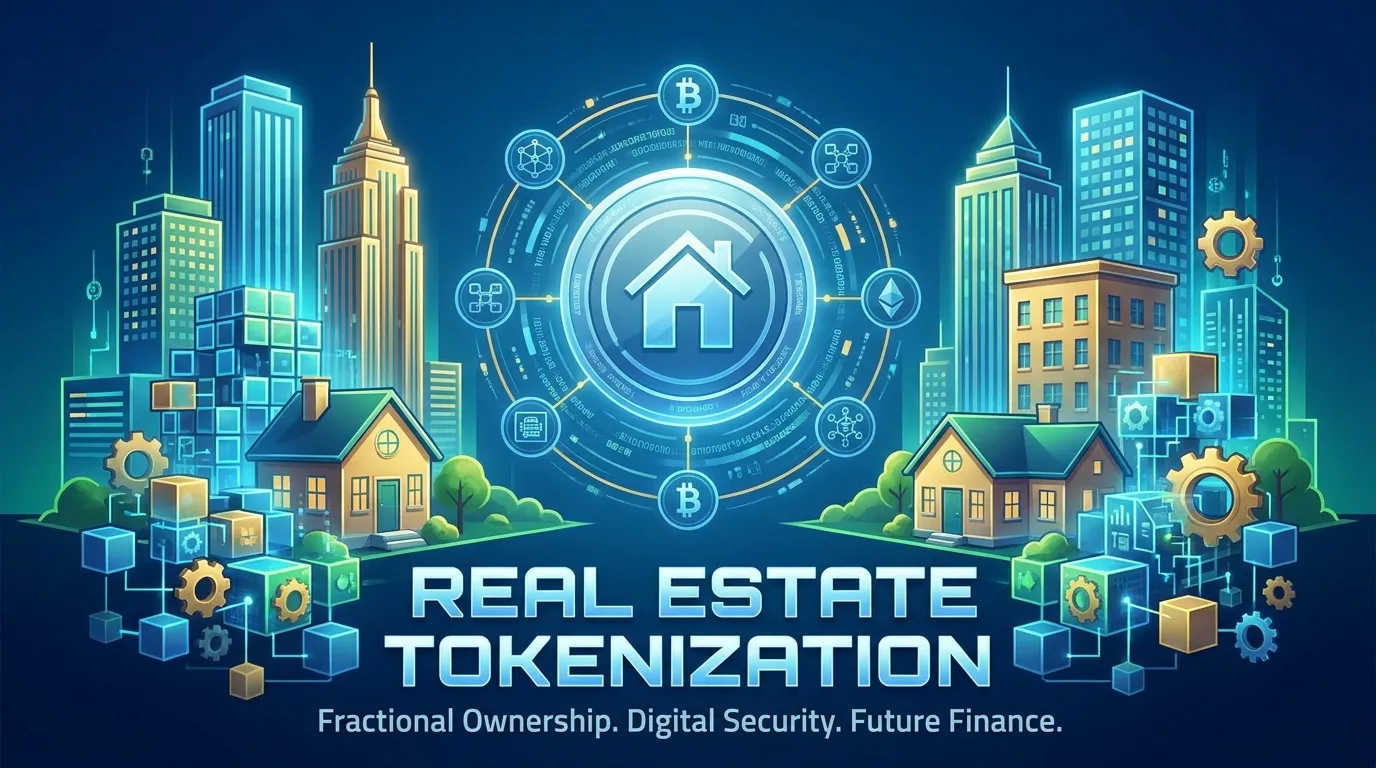




























Sign in to leave a comment.