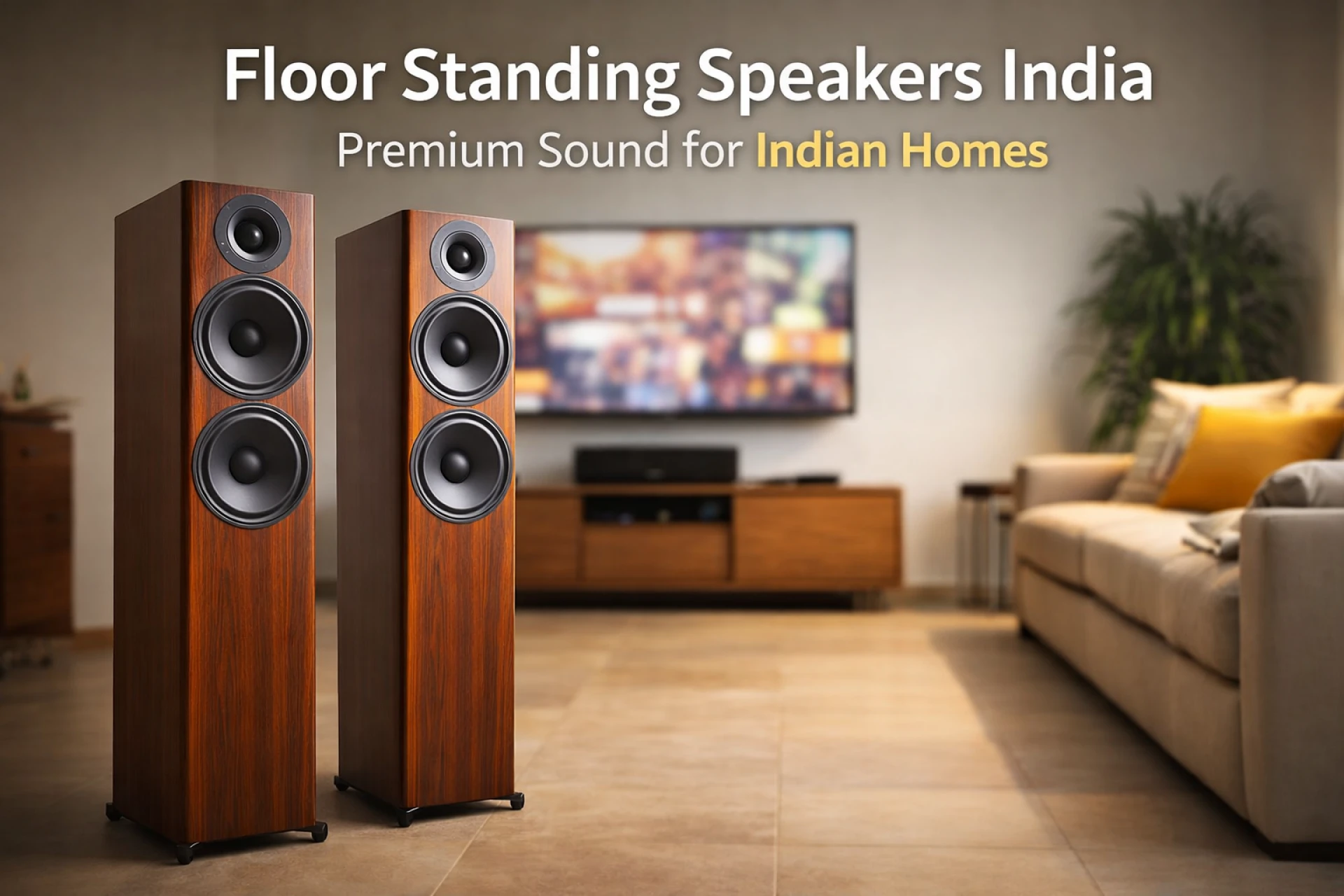

The modern home entertainment ecosystem demands more than visual appeal. It requires furniture that can support evolving technology, spatial flexibility, and long-term performance. The 2-Way TV Console answers these demands through a refined dual-access design that balances engineering precision with contemporary aesthetics. It is conceived not merely as a support unit, but as a functional infrastructure element within the living environment.
Redefining Console Architecture
A 2-Way TV Console is characterized by its bidirectional usability. Unlike traditional consoles that function from a single front-facing orientation, this configuration allows access from both sides. This structural concept is especially relevant in open-plan residences, studio apartments, and shared living zones where furniture must perform without privileging one direction over another.
The internal framework is engineered to withstand uneven load distribution. Televisions, audio processors, and peripheral devices exert varied stresses on the console body. Reinforced panels and internal cross-bracing maintain geometric integrity, ensuring long-term resistance to sagging or torsional distortion. This approach supports both freestanding and semi-partition placements without compromising stability.
Material Integrity and Structural Performance
Material composition plays a decisive role in functional longevity. High-density composite boards are commonly used for their resistance to warping and moisture absorption. These cores are paired with abrasion-resistant surface laminates or finely treated veneers that preserve dimensional accuracy under thermal fluctuation.
Surface finishes are selected not only for appearance but also for durability. Low-reflective coatings reduce glare in high-luminance environments, while sealed edges prevent micro-fractures over extended use. In solutions developed by Indiq Audio, material engineering is aligned with performance expectations rather than decorative trends.
Acoustic Neutrality and Thermal Management
One of the most overlooked aspects of entertainment furniture is its acoustic impact. The 2-Way TV Console is designed to remain acoustically neutral, avoiding resonance amplification that can distort sound output. Internal cavity volumes are proportioned to prevent bass buildup, while strategically placed ventilation apertures support passive airflow.
Thermal regulation is equally critical. Modern AV components generate sustained heat loads that can degrade performance if improperly managed. Dual-sided airflow paths allow heat dissipation without reliance on mechanical fans, maintaining silent operation and prolonging component lifespan.
Equipment Configuration and Cable Discipline
Technological density requires disciplined organization. The 2-Way TV Console incorporates modular shelving systems that can be reconfigured as equipment profiles change. Adjustable height clearances support amplifiers, media players, and network hardware without obstruction.
Cable routing is deliberately compartmentalized. Power lines and signal cables are separated to minimize electromagnetic interference, preserving data integrity and audio clarity. Rear access from both sides allows technicians or users to modify configurations without dismantling the entire setup, a practical advantage in dynamic environments.
Ergonomic Design and User-Centered Access
Ergonomics is fundamental to long-term usability. The 2-Way TV Console is proportioned to align screen height with natural viewing angles, reducing eye strain and postural fatigue. Access doors and panels are positioned within comfortable reach zones, ensuring maintenance tasks remain effortless.
Soft-close mechanisms and precision hinges enhance tactile interaction while reducing mechanical wear. These elements contribute to a sense of refinement that extends beyond visual appearance, reinforcing the console’s role as a daily-use component rather than static furniture.
Spatial Versatility and Interior Integration
Spatial adaptability defines the relevance of a 2-Way TV Console in modern interiors. Its ability to function as a subtle divider allows it to delineate zones without introducing visual heaviness. This makes it suitable for placement between living and dining areas, or as a central anchor in loft-style layouts.
The design language remains intentionally restrained. Neutral finishes, clean geometries, and balanced proportions allow the console to integrate seamlessly with diverse interior styles. It complements the display rather than competing with it, ensuring visual coherence across the space.
Durability, Serviceability, and Lifecycle Efficiency
Durability is engineered through methodical construction practices. Load-bearing joints are reinforced using concealed fasteners and high-strength bonding agents, resulting in a rigid yet refined structure. This combination reduces visible hardware while enhancing structural endurance.
Serviceability is built into the design. Removable panels and accessible compartments allow upgrades or repairs without invasive disassembly. This foresight extends the functional lifecycle of the 2-Way TV Console, reducing replacement frequency and maximizing value over time.
Adaptability to Future Technology
Entertainment technology evolves rapidly, and furniture must anticipate this progression. The 2-Way TV Console is inherently adaptable, featuring expandable compartments and surplus routing channels to accommodate future devices. This adaptability ensures continued relevance as display formats, audio standards, and connectivity protocols advance.
Integrated power management options further enhance operational safety. These systems support stable power delivery while maintaining a clean, uncluttered appearance.
Closing Perspective
The 2-Way TV Console represents a convergence of functional engineering, ergonomic logic, and spatial awareness. It transforms furniture into an active participant in the entertainment experience, supporting technology while enhancing the living environment. Through disciplined design and performance-driven execution, Indiq Audio demonstrates how thoughtful construction can elevate everyday interaction with audio-visual systems into a refined, future-ready solution.


























Sign in to leave a comment.