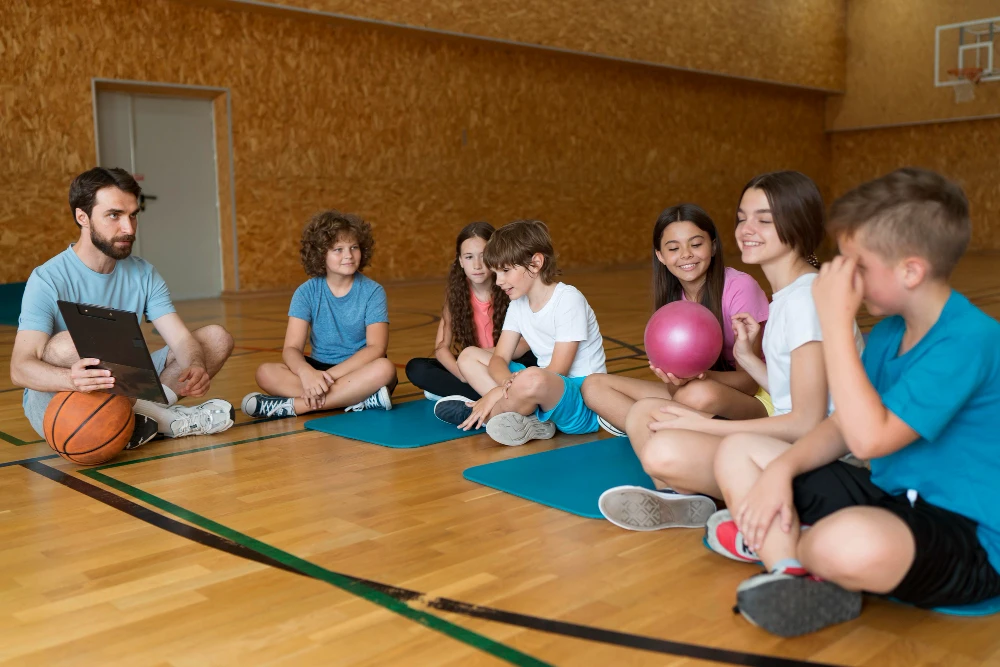

In today’s fast-paced, screen-dominated world, children and teenagers are spending more time sitting and less time moving. This shift has contributed to rising rates of obesity, anxiety, and social isolation among young people. After-school fitness programs offer a vital solution, giving students a safe, structured space to stay active, connect with peers, and develop healthy habits that last a lifetime.
These programs are especially effective when built within a community partnership school framework where educators, families, and local organizations collaborate to nurture every aspect of a child’s development. Beyond just exercise, after-school fitness initiatives support emotional well-being, academic success, and community engagement.
The Growing Need for Physical Activity Among Youth
Declining Activity Levels in Modern Lifestyles
Children today face fewer opportunities for natural physical movement. With long school hours, heavy homework loads, and digital entertainment at their fingertips, staying active can feel secondary. After-school fitness programs fill this gap by providing structured, enjoyable ways for kids to engage in regular exercise and rediscover the joy of movement.
Improving Physical Health and Endurance
Consistent physical activity during the formative years builds strong bones, improves cardiovascular health, and boosts coordination. Unlike competitive sports that can sometimes intimidate beginners, these fitness programs emphasize inclusion and fun. As a result, students view physical activity as rewarding, not stressful a mindset that encourages long-term participation in healthy living.
Ensuring Equal Access to Fitness Opportunities
Access to safe spaces for exercise isn’t always equal. In some communities, kids lack playgrounds, gyms, or affordable recreation centers. That’s where the community partnership school model comes in bringing together local resources to ensure all students have access to fitness opportunities regardless of their socioeconomic background.
Supporting Emotional and Mental Well-Being
Reducing Stress and Anxiety
School pressures, exams, and social dynamics can weigh heavily on young minds. Exercise acts as a natural stress reliever, releasing endorphins that boost mood and calm anxiety. Through after-school fitness programs, students can unwind and recharge, leaving behind the stress of the school day while improving their mental clarity.
Building Confidence and Self-Worth
When children set and achieve fitness goals whether it’s mastering a dance routine, improving stamina, or simply completing a workout they gain a sense of accomplishment. These victories, big or small, strengthen confidence and foster resilience. In a community partnership school, teachers and coaches often celebrate these milestones collectively, reinforcing positive self-esteem in every participant.
Creating Safe Spaces for Social Connection
After-school environments that promote teamwork and inclusivity help kids feel they belong. Friendships built through shared physical activity can reduce feelings of loneliness and isolation. Group challenges, team games, or partner workouts also teach empathy, communication, and cooperation skills that extend beyond the gym and into everyday life.
Enhancing Academic and Behavioral Success
Boosting Focus and Brain Function
Physical movement directly influences cognitive performance. Exercise increases oxygen flow to the brain, improving concentration, memory retention, and creativity. Students who regularly attend after-school fitness programs often display higher energy levels, better classroom engagement, and improved academic results.
Encouraging Discipline and Responsibility
Fitness routines naturally teach discipline. Showing up on time, committing to improvement, and respecting teammates instill valuable habits of accountability. These lessons mirror those required for academic success helping students manage time better, stay motivated, and persist through challenges.
Reducing Risky or Idle Behaviors
Idle time after school can sometimes lead teens toward negative influences or unproductive habits. By providing structured physical outlets, these programs offer a constructive alternative. Within a community partnership school, such initiatives often align with broader social goals encouraging healthy lifestyles, positive peer interaction, and community engagement.
Strengthening Communities and Lifelong Wellness
Connecting Schools, Families, and Local Partners
Collaboration is the heartbeat of success in after-school fitness programs. When schools work hand in hand with parents, local fitness experts, and health organizations, they create diverse, sustainable opportunities for youth. From yoga and dance to basketball and martial arts, this collective effort enriches both students and the surrounding community.
Encouraging Family Participation
The most successful wellness initiatives extend beyond the classroom. Family fitness nights, community walks, and shared wellness challenges invite parents to model healthy behaviors for their children. The community partnership school framework naturally supports this integration, ensuring that health and wellness become family values rather than isolated activities.
Building Habits That Last a Lifetime
Introducing fitness early helps kids see it as a joyful and essential part of life not an obligation. When physical activity becomes associated with fun, friendship, and community support, children are far more likely to stay active into adulthood. These positive habits contribute to long-term health and overall life satisfaction.
Conclusion
After-school fitness programs are much more than extracurricular activities they are lifelines that nurture the physical, emotional, and social health of young people. Through the support of a community partnership school, these initiatives bring together educators, families, and local organizations to build stronger, healthier futures.
They not only improve fitness levels but also foster resilience, academic growth, and community belonging. By investing in youth wellness today, we shape generations that value health, connection, and personal growth. The Youth Wellness Initiative exemplifies this mission proving that when we unite for the well-being of our children, we empower them to lead active, confident, and fulfilling lives.




























Sign in to leave a comment.