

Asbestos was once celebrated as a “miracle material” due to its strength, fire resistance, and insulating properties. For decades, it was widely used in construction, manufacturing, and household products. However, beneath its usefulness lies a silent danger - exposure to asbestos fibers is linked to severe health problems, including asbestosis, lung cancer, and mesothelioma. Although many countries have restricted or banned asbestos use, millions of older buildings still contain it. This makes asbestos testing in San Diego not just important but essential for protecting health and safety.
Understanding Asbestos
Asbestos is a naturally occurring mineral composed of microscopic fibers. These fibers are strong and resistant to heat and chemicals, which explains their extensive use in insulation, roofing, floor tiles, and other materials. The danger arises when asbestos-containing materials (ACMs) become damaged or disturbed, releasing fibers into the air. When inhaled, these fibers lodge in the lungs and cause long-term damage that may not become apparent for decades.
Why Asbestos Testing Matters
Testing for asbestos is the only reliable way to determine whether a material contains the harmful mineral. Visual inspection alone is not sufficient, as asbestos fibers are invisible to the naked eye. Certified professionals use specialized equipment and laboratory analysis to confirm the presence of asbestos.
Key reasons why asbestos testing is crucial include:
· Health Protection: Prevents exposure to fibers that can cause life-threatening illnesses.
· Legal Compliance: Many regions require testing before renovations or demolitions.
· Property Value: Identifying and managing asbestos boosts buyer confidence.
· Peace of Mind: Homeowners and businesses gain assurance that their environments are safe.
Without proper testing, occupants may unknowingly live or work in hazardous conditions.
Common Places Asbestos is Found
Asbestos was widely used in construction materials until the late 20th century. Common areas where asbestos may still be present include:
· Insulation around pipes, boilers, and ducts
· Vinyl floor tiles and adhesives
· Textured ceiling coatings (such as popcorn ceilings)
· Roofing materials, shingles, and siding
· Cement products and plaster walls
· Fireproofing sprays and coatings
Older homes, schools, and office buildings are particularly at risk. Before any renovation, drilling, or demolition, testing is critical to avoid releasing dangerous fibers.
The Testing Process
Asbestos testing follows strict procedures to ensure accuracy and safety:
· Initial Inspection: A certified professional surveys the property for potential asbestos-containing materials.
· Sample Collection: Small samples are carefully removed using protective gear to prevent contamination.
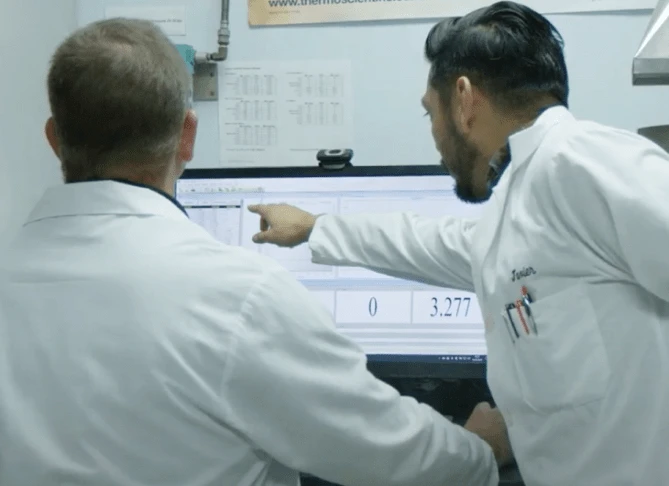
· Laboratory Analysis: Samples are sent to accredited labs for microscopic examination.
· Results and Recommendations: The property owner receives a detailed report outlining the presence of asbestos and next steps.
If asbestos is found, experts may recommend encapsulation (sealing the material) or removal by licensed contractors.
Risks of Ignoring Asbestos Testing
Failure to test for asbestos carries serious risks:
· Health Hazards: Prolonged exposure can cause irreversible lung damage.
· Legal Liabilities: Renovating or demolishing without testing may violate regulations.
· Financial Costs: Unexpected asbestos discovery during construction can halt projects and increase expenses.
· Community Risk: Improper handling may expose neighbors and workers to fibers.
The cost of testing is minimal compared to the potential human and financial consequences of ignoring the threat.
Safe Management and Removal
Not all asbestos needs to be removed immediately. In some cases, intact materials that are in good condition may be left undisturbed and monitored. However, damaged or deteriorating asbestos must be addressed quickly. Only licensed professionals should carry out removal, as improper handling can spread fibers and worsen contamination.
Final Thoughts
Asbestos may be hidden, but its dangers are very real. The fibers cannot be seen, smelled, or tasted, yet they can cause devastating health problems that often appear decades after exposure. Regular asbestos testing in San Diego is the best way to safeguard homes, workplaces, and communities. By identifying risks early, property owners can take informed action - whether through safe management or removal.





























Sign in to leave a comment.