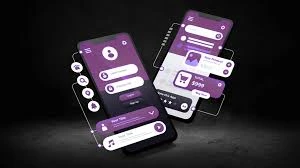
In today's digital-first world, mobile apps are no longer a luxury they're a necessity. Whether you're a startup, a local business, or an established brand, having a mobile app can help you connect with your customers, offer better services, and stay ahead of your competition.
Let’s explore why app development matters so much today, what makes a great app, and how businesses can approach development the smart way.
The Shift to Mobile
People are spending more time on mobile devices than ever before. From ordering food and booking appointments to shopping and learning, mobile apps are now the go-to solution. Having a mobile app means you're accessible anytime, anywhere right from the user’s pocket.
But it's not just about convenience. Mobile apps also improve customer loyalty, create better engagement, and offer a direct communication channel through features like push notifications.
Benefits of Having a Business App
1. Better Customer Experience
Apps are faster, more responsive, and more personalized than websites. A well-developed app can make it easier for users to browse products, access services, or get support without needing to open a browser.
2. Direct Communication
With push notifications, you can reach your users instantly. Whether it’s promoting a sale, reminding them of an event, or announcing a new feature, push alerts keep your audience engaged without being intrusive.
3. Stronger Brand Presence
An app on a user's phone means constant visibility. Even if they don’t open it every day, seeing your brand icon builds familiarity over time, which strengthens brand recall.
4. Offline Access
Unlike websites, apps can offer certain features even when the user is offline. This is especially useful for content-based platforms or tools where users might need access without internet connectivity.
What Makes a Good Mobile App?
Not all apps succeed. Here are a few factors that make an app stand out:
- Simple and intuitive design
- Fast load times and smooth performance
- Useful features that solve real problems
- Regular updates and bug fixes
- Secure handling of user data
The goal of app development isn’t just to build a digital tool it’s to build something users actually want to use regularly.
Native vs. Cross-Platform Development
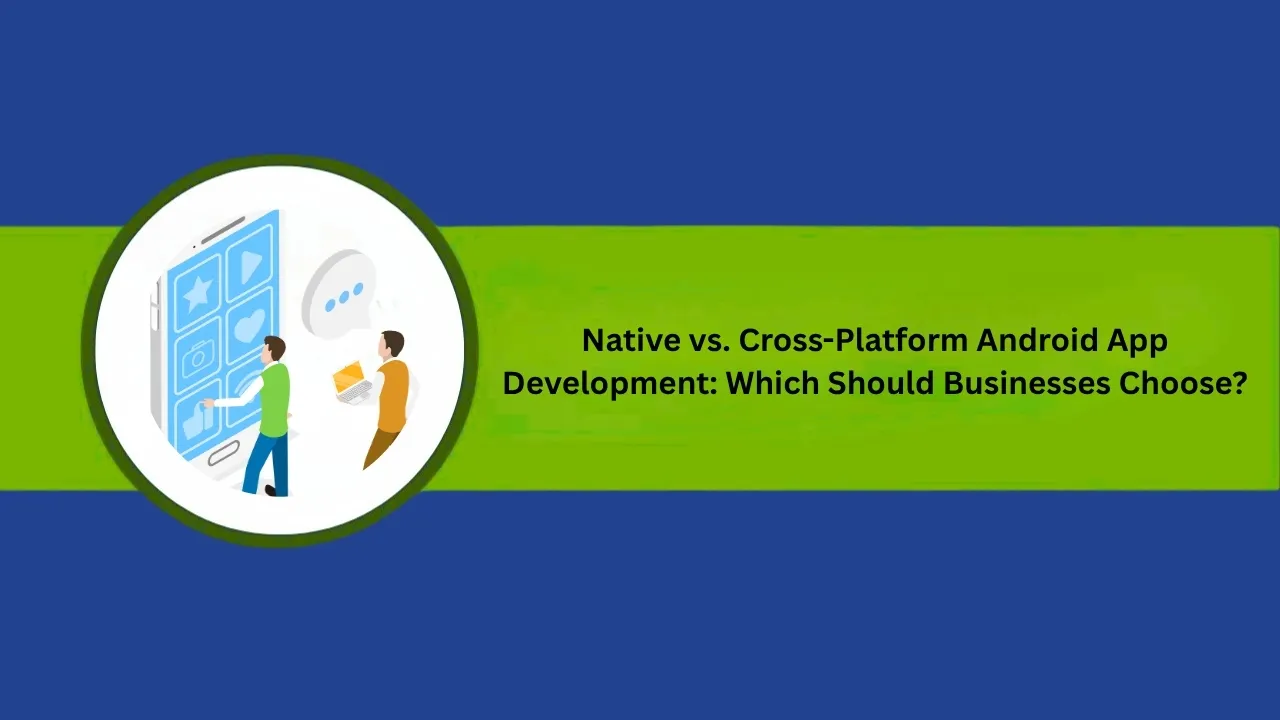
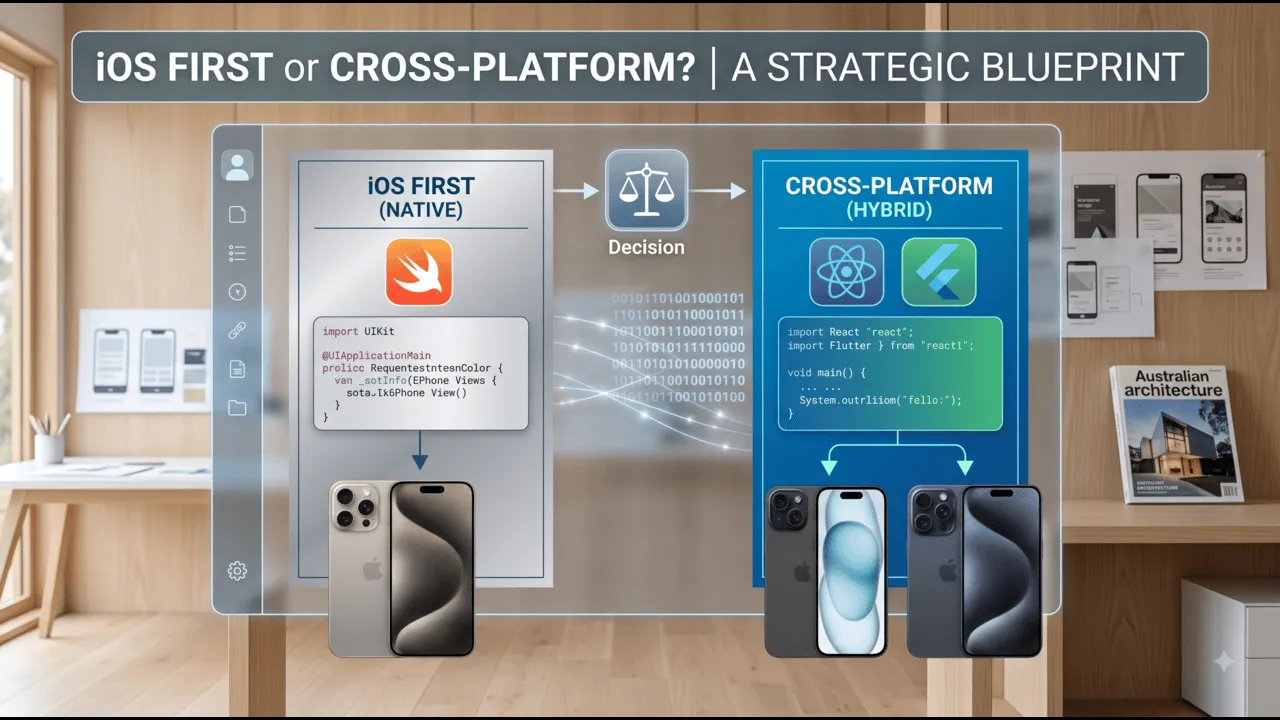
When starting an app project, one key decision is choosing between native (built specifically for iOS or Android) and cross-platform (one app that works on both). Native apps offer better performance and integration but cost more. Cross-platform tools like Flutter or React Native help save time and budget while still delivering a good experience.
Choosing the right path depends on your goals, budget, and audience.
The Development Process
App development isn’t just coding it’s a complete process that involves:
- Planning and strategy – Understanding your users and defining clear goals
- Design – Creating an engaging, user-friendly interface
- Development – Writing code, integrating features, and ensuring performance
- Testing – Checking for bugs, usability issues, and performance bottlenecks
- Launch and maintenance Publishing on app stores and keeping it updated
Partnering with the right development team can make a big difference. Look for developers who understand both technology and user behavior.
Final Thoughts
App development is more than just creating something that works it’s about building a platform that enhances your business, engages your audience, and grows with your goals. In a time when digital experience defines customer relationships, a well-built app can be your strongest asset.
Whether you're creating a shopping platform, a booking tool, or something entirely new, investing in mobile app development is an investment in your future.






















Sign in to leave a comment.