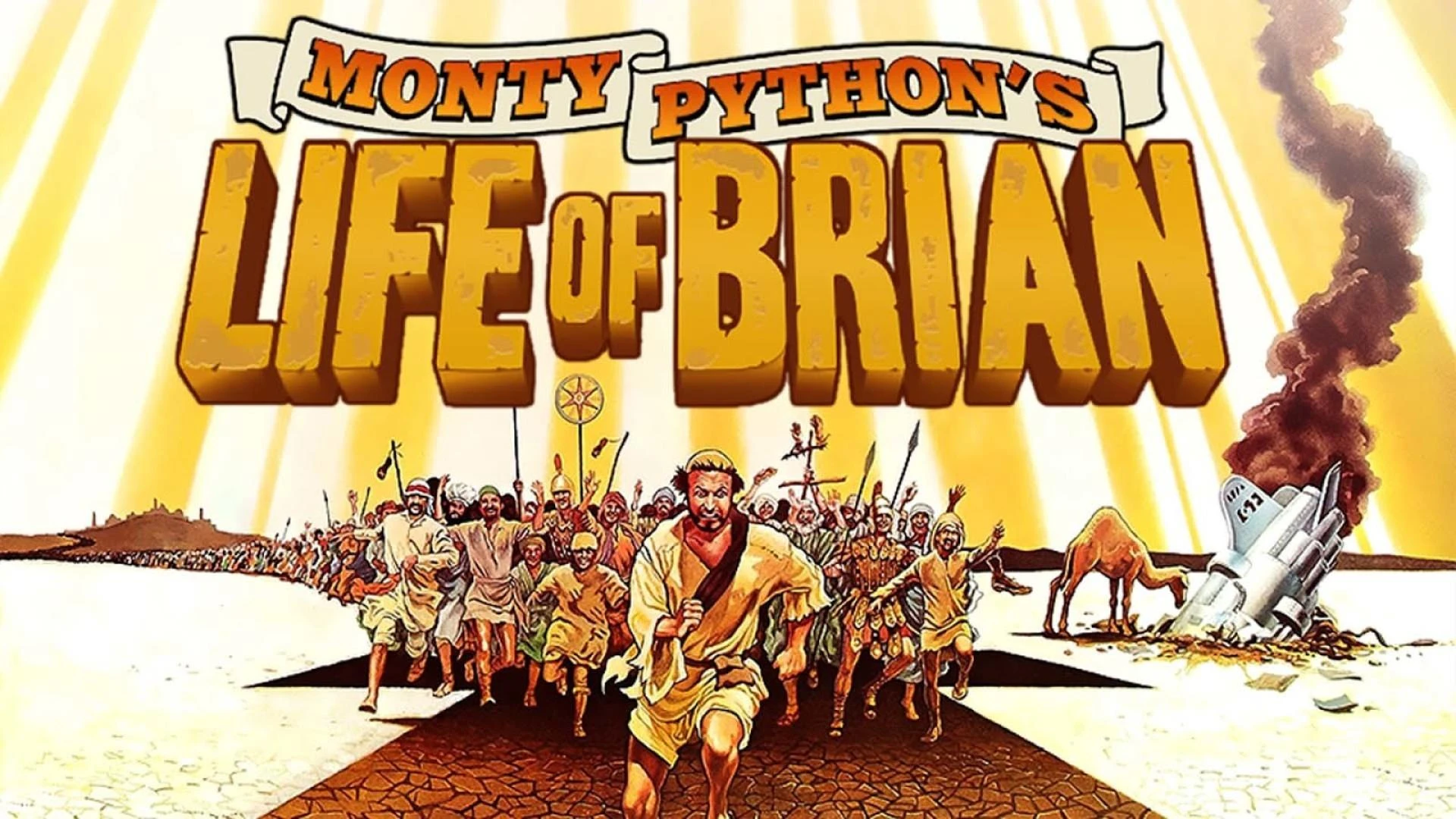

Failure occupies a surprisingly joyful and meaningful place in British Comedy Movies. Rather than focusing on triumph, dominance, or heroic success, many British comedies revolve around characters who stumble, misunderstand situations, sabotage themselves, or simply fail spectacularly. These failures are not treated as embarrassing flaws to be overcome at all costs but as sources of humor, humanity, and cultural insight. By celebrating failure, British comedy offers a distinct worldview—one that values humility, irony, and emotional realism over perfection or victory.
The Cultural Roots of Failure in British Humor
Social Class and Self-Awareness
British comedy has long been shaped by a keen awareness of social class and hierarchy. Unlike comedic traditions that center on aspiration and upward mobility, British humor often highlights discomfort within rigid social structures. Failure becomes a natural response to these constraints.
Films such as Kind Hearts and Coronets depict characters navigating class systems with ironic detachment. When characters fail, the comedy emerges not from cruelty but from recognition. These failures reflect social awkwardness and the impossibility of perfectly fitting into prescribed roles.
The Influence of Satire and Irony
British humor traditionally leans heavily on satire and irony, both of which thrive on failed expectations. When characters believe they are competent, important, or clever—and reality proves otherwise—the gap between perception and truth becomes comic material.
In Monty Python’s Life of Brian, repeated failures undermine grand narratives of destiny and heroism. The protagonist’s inability to live up to expectations becomes a satirical critique of authority, belief systems, and the human tendency to seek meaning where there may be none.
Bolded and Highlighted Subheading: Failure as a Form of Emotional Honesty
Failure in British comedy often serves as a declaration of emotional honesty. Characters are allowed to be insecure, foolish, or overwhelmed without being punished by the narrative.
Characters Who Do Not Win but Endure
British Comedy Movies frequently feature protagonists who do not achieve traditional success by the end of the story. Instead, survival, self-acceptance, or quiet resilience becomes the real achievement.
The Full Monty is a clear example. The unemployed steelworkers fail repeatedly at reclaiming their former status, financial security, and self-confidence. Their eventual strip show is not framed as a triumphant conquest but as a vulnerable, awkward, and deeply human act. The comedy arises from their failures along the way, which make the characters relatable rather than heroic.
Laughing With, Not At, the Characters
Unlike some comedic traditions that rely on mockery, British comedy often encourages audiences to laugh alongside failing characters. The humor comes from shared recognition rather than superiority.
In Four Weddings and a Funeral, the protagonist’s constant verbal missteps and romantic failures are endearing rather than humiliating. The film treats failure as an ordinary part of human connection, reinforcing the idea that imperfection is universal.
Anti-Heroes and the Rejection of Perfection
Celebrating the Ordinary and the Inadequate
British Comedy Movies frequently reject polished, hyper-competent protagonists in favor of deeply flawed individuals. These characters are rarely exceptional; instead, they are painfully ordinary.
Shaun of the Dead presents a hero who fails at adulthood, relationships, and responsibility long before zombies appear. His inability to act decisively or heroically becomes the comedic engine of the film. Even during moments of apparent success, Shaun’s victories feel provisional and incomplete, reinforcing the British comedic preference for modest outcomes.
Failure as Resistance to American-Style Optimism
British comedy often contrasts sharply with the optimism found in many Hollywood narratives. Instead of celebrating self-belief and determination as paths to inevitable success, British films suggest that effort does not always guarantee reward.
This philosophy is evident in Withnail and I, where ambition collapses into disillusionment. The characters’ artistic and personal failures are not resolved; they are simply endured. The comedy lies in the bleakness, transforming despair into something absurdly poetic.
Bolded and Highlighted Subheading: Social Commentary Through Failure
Failure in British comedy frequently functions as a form of social critique. Characters fail not only because of personal shortcomings but because systems themselves are dysfunctional.
Bureaucracy, Institutions, and Inevitable Collapse
British Comedy Movies often portray institutions as absurd machines that generate failure by design. Characters struggle against rules, traditions, and expectations that make success nearly impossible.
In Brazil, although darker in tone, failure is omnipresent and tragicomic. The protagonist’s attempts to navigate bureaucratic chaos lead to escalating disasters. The film’s comedic elements highlight how individual effort is crushed by impersonal systems.
Exposing the Fragility of Authority
Failure also undermines authority figures, revealing them as incompetent or insecure. This tradition reflects Britain’s long-standing skepticism toward power.
In The Death of Stalin, although politically charged, comedic failure dominates every interaction. Leaders fail to control events, language, and even their own emotions. The humor emerges from watching powerful figures reduced to petty, flailing individuals.
Language, Awkwardness, and Verbal Failure
Miscommunication as Comedy
British comedy places enormous emphasis on language, particularly on what goes wrong when people speak. Verbal failure—awkward pauses, incorrect phrasing, or accidental insults—becomes a primary comedic device.
In In the Loop, characters constantly fail to communicate effectively, resulting in escalating chaos. These linguistic breakdowns mirror real social anxieties, making failure both funny and painfully familiar.
Silence and Understatement
Equally important is the British use of understatement. When characters fail, they often refuse to acknowledge it openly, creating humor through emotional repression.
This can be seen in Local Hero, where characters respond to failed ambitions with quiet resignation rather than dramatic outbursts. The comedy lies in what remains unsaid.
Bolded and Highlighted Subheading: Failure as a Shared National Experience
British comedy treats failure not as an exception but as a collective experience. Characters fail together, communities fail together, and even nations fail together.
Group Failure and Collective Identity
Rather than isolating failure to individuals, British Comedy Movies often portray groups navigating shared disappointment. This reinforces a sense of communal resilience.
In Dad’s Army, adapted from television but reflective of cinematic tradition, the Home Guard’s repeated failures are affectionate reminders of human limitation. Their incompetence does not negate their worth; instead, it defines their charm.
Comfort in Imperfection
By repeatedly returning to failure, British comedy creates comfort rather than anxiety. Audiences are reassured that mistakes, embarrassment, and disappointment are not moral failings but fundamental aspects of life.
This perspective allows British comedy to be deeply empathetic, even when it is cynical or absurd.
Conclusion: Why Failure Thrives in British Comedy Movies
Failures are celebrated in British Comedy Movies because they reflect cultural values rooted in humility, irony, and emotional realism. Rather than glorifying success, these films find meaning in struggle, awkwardness, and imperfection. Failure becomes a lens through which social systems are questioned, authority is deflated, and human vulnerability is embraced.
By laughing at failure, British comedy does not dismiss ambition or effort but reframes them within a world that is unpredictable and often unfair. This celebration of failure transforms embarrassment into connection and disappointment into humor, making British comedy both distinctive and enduring.


![Top 13 American Documentary Movies [Revealed!]](/data/post/1766858/36f48eed6f119c26a3bb71c9.webp)













Sign in to leave a comment.