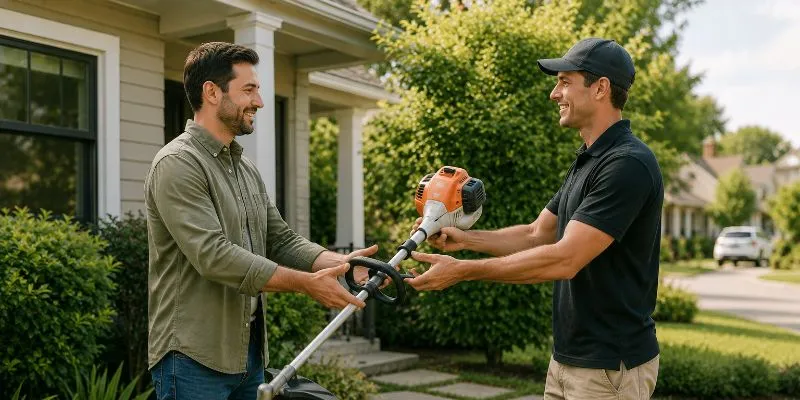

People are changing how they use household products and tools. For years, ownership felt like the most practical path. Families would purchase everything they might need for home upkeep, hobbies, or those occasional tasks. But lately, many households are starting to ask whether buying and then storing rarely used items is even worth it anymore.
With living costs going up and day-to-day routines becoming more fluid, more people prefer access over the long-term pledge of owning. They want to get the equipment they need, without dragging it around for years. So you see digital marketplaces and community-based rentals gaining ground, sort of slowly but surely, and they’re reshaping consumer habits by giving practical, everyday alternatives that match modern life.
Changing Lifestyles Are Reshaping Consumer Choices
Nowadays, modern households tend to have different priorities than the older generations. People often change homes more frequently, live in smaller places, and usually want convenience instead of stacking up possessions. So, a lot of families are getting a bit picky about what they actually keep, compared to what they just pass on.
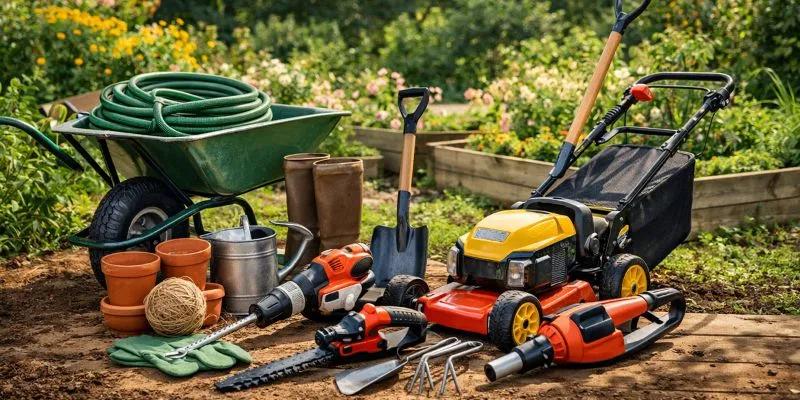
Items used only once in a while can quietly turn into extra expenses and awkward storage problems. Think about gardening tools, DIY equipment, or more specialized gear. Buying things that just sit there unused for most of the year is slowly becoming less attractive, like it doesn't really fit the new rhythm of everyday life.
But flexible access models let households get the value from these tools without taking on all the responsibility that comes with ownership. This move mirrors a wider pattern focused on convenience, efficiency, and better resource.
Cost Savings Are Driving New Habits
Financial concerns are one of the main reasons people are starting to think again about ownership. Buying good quality equipment usually asks for a bigger initial investment , especially if the item is only needed for a short period.
For a lot of homeowners, renting feels more reasonable. Instead of purchasing gear that may be used once or twice, they can get the tools they need for less money. A toolbox rental, for example, can help a person finish repairs or home improvement work, without locking themselves into a huge upfront cost.
In the end, this method helps households shift their spending more wisely while still keeping access to the necessary equipment, instead of letting it sit unused.
Technology Has Made Renting Easier Than Ever
The rise of digital platforms kind of changed how people locate and use things. Back then, borrowing or renting tools often depended on friends, neighbors, or specialized hire companies. Nowadays, online marketplaces have smoothed out the whole process so you can find and reserve equipment in just a few clicks and be done with it.
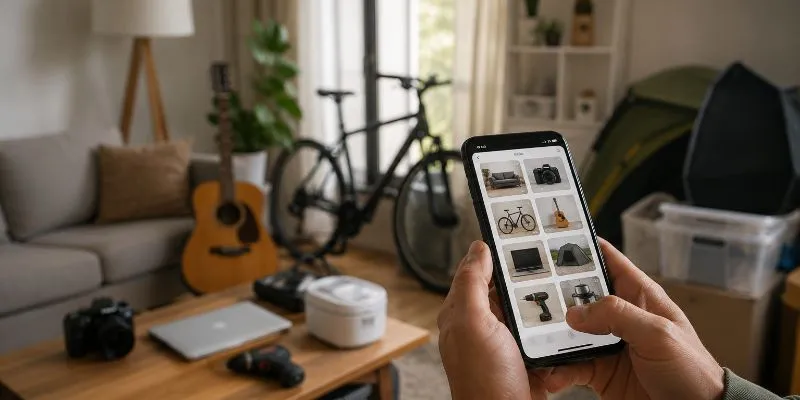
Also, the emergence of the rent your stuff app model has made a big difference in all of this. These platforms link owners with renters , which means products can keep moving and being used instead of just sitting there, idle in storage for who knows how long.
And it’s not just about convenience; technology also widens the line up of products you can get access to, giving households more flexibility than ever before.
Hobbies and Interests No Longer Require Major Investments
A lot of people stall when they try a new hobby because, you know, the cost for all the tools can add up fast. But that is changing since flexible access makes it a lot easier to dip in and try different activities first, before anyone commits to owning stuff.
For example, if someone is into woodworking photography, or even outdoor projects, they can now get specialized tools when they actually need them. In Auckland, tool rental services for hobby projects let people explore new interests without the constant worry of buying costly equipment on the spot.
It also helps people stay creative and keep learning, while lowering the chance of paying for things that might get used only once in a while.
Sustainability Is Influencing Household Decisions
Besides convenience and those cost-saving ideas, environmental concerns are also nudging what consumers do. Families are slowly getting more aware of the trash or waste that shows up when products are bought, used briefly, then kept in storage for a while or simply thrown away.
Flexible access models kind of help a more sustainable way of living, because they encourage people to share and reuse what’s already around. Going for rental equipment in NZinstead of buying new products can cut down on unnecessary consumption and help stretch the usable life of those valuable items.
As communities start to take up these habits, they are basically proving that convenience and sustainability don’t have to clash; they can even work together.
The Future of Equipment Access
The growing interest in flexible access reflects a broader shift in the way people think about ownership. Instead of asking whether they should buy something, households are increasingly asking whether ownership is necessary at all.
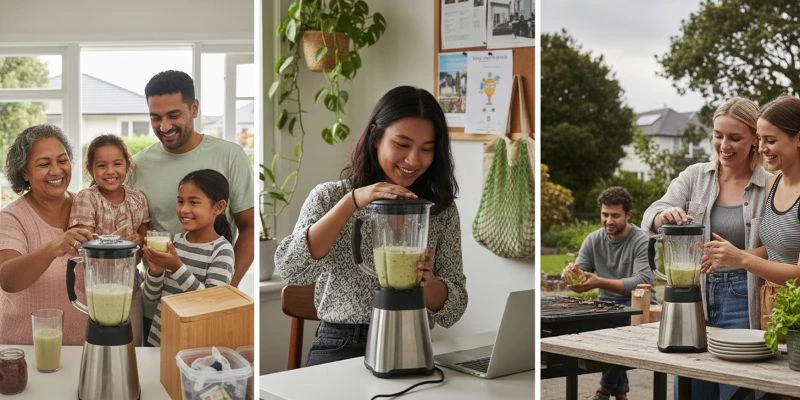
Rental platforms, sharing networks, and digital marketplaces are creating systems that allow people to access what they need, when they need it, without the financial and practical burdens of permanent ownership.
This does not mean ownership will disappear entirely. Many products will always have a place in the home. However, for items used occasionally, flexible access is becoming an increasingly attractive option.
Why Flexible Access Is Becoming the New Normal
More households are looking for flexible routes to access equipment, because modern life kind of insists on convenience, affordability, and efficiency at the same time. Rising costs, shifting routines, and better technology are pushing people to reconsider the old ownership pattern.
When households move toward rental and community sharing solutions, families can get the advantages of top-tier equipment without overspending or having cluttered storage areas. And as these trends keep expanding, flexible access will probably turn into a kind of essential method for meeting everyday needs.
























Sign in to leave a comment.