
Managing rental properties sounds simple—find tenants, collect rent, fix things when they break. But most landlords and property managers know better. The real work happens behind the scenes: juggling leases, logging maintenance, handling accounting, screening tenants, marketing units, and staying compliant.
For many, this turns into a patchwork of tools. One for leases, another for bookkeeping, a third for maintenance. And maybe a spreadsheet or two for everything else. Each piece might work on its own, but together? It’s a mess. The truth is, relying on integrations can slow things down, increase mistakes, and make the job harder than it needs to be.
That’s why more property managers are turning to platforms that offer built-in tools from the start. Here’s why that shift matters—and what you gain by dropping the duct tape approach.
Lease Management Isn’t Just Paperwork
Signing a lease is just the start. Renewals, rent increases, early terminations, legal addendums—these things add up. If your system doesn’t handle the full lease lifecycle, you’re stuck doing extra work every time something changes.
Built-in lease tools give you more than document storage. They offer workflows for move-ins and move-outs, track deposit details, and send automated reminders when it’s time to renew. The better platforms even come with lease templates reviewed by real attorneys—saving you from legal guesswork.
Without these tools, landlords often bounce between digital storage, email, and manual templates. Mistakes happen. Details get lost. A built-in lease system makes everything easier to follow and harder to mess up.
Maintenance Should Be Logged, Not Remembered
Ask any landlord, and they’ll tell you: maintenance is one of the biggest time sinks. A tenant calls about a leak. You call a plumber. He says he’ll be there Tuesday. Did you write that down? Did the tenant get a follow-up? Was it even fixed?
When maintenance tracking is part of your platform, nothing slips through the cracks. Tenants submit requests in their portal. You assign a vendor. Everyone sees updates in real-time. No more texting contractors and hoping someone remembers the schedule.
Plus, every repair becomes part of the property’s record. That comes in handy when selling, refinancing, or just proving a tenant complaint was handled properly. You can’t do that if your entire record-keeping system is an email thread and a calendar reminder.
Rental Accounting Needs More Than a Calculator
Plenty of landlords still try to make general accounting software fit their rental business. But most tools weren’t built for rent rolls, late fees, security deposits, or 1099 forms. That means you’re bending the software to your needs—and bending over backwards in the process.
Built-in accounting tools do what property managers actually need:
- Auto-track rent payments and late fees
- Break down income by property or unit
- Store receipts and invoices in the same place
- Prepare year-end tax forms with property-specific data
When this is built into your property management software, there’s no need to import data, reconcile manually, or chase down records during tax season. Everything is there, and everything lines up.
Marketing & Screening Aren’t Side Tasks
Filling vacancies quickly is a core part of the job. But many landlords still post listings manually, respond to unqualified leads, and rely on separate platforms to screen applicants.
With the right platform, listings are syndicated automatically to sites like Zillow and Apartments.com. That saves time and keeps everything consistent. More importantly, screening tools—credit checks, background reports, eviction history—can be reviewed right inside the same system.
There’s no switching between tabs or chasing paper forms. The system flags risky tenants, and everything is stored in one place. For smaller landlords or busy managers, that kind of automation isn’t just a time-saver—it’s a risk reducer.
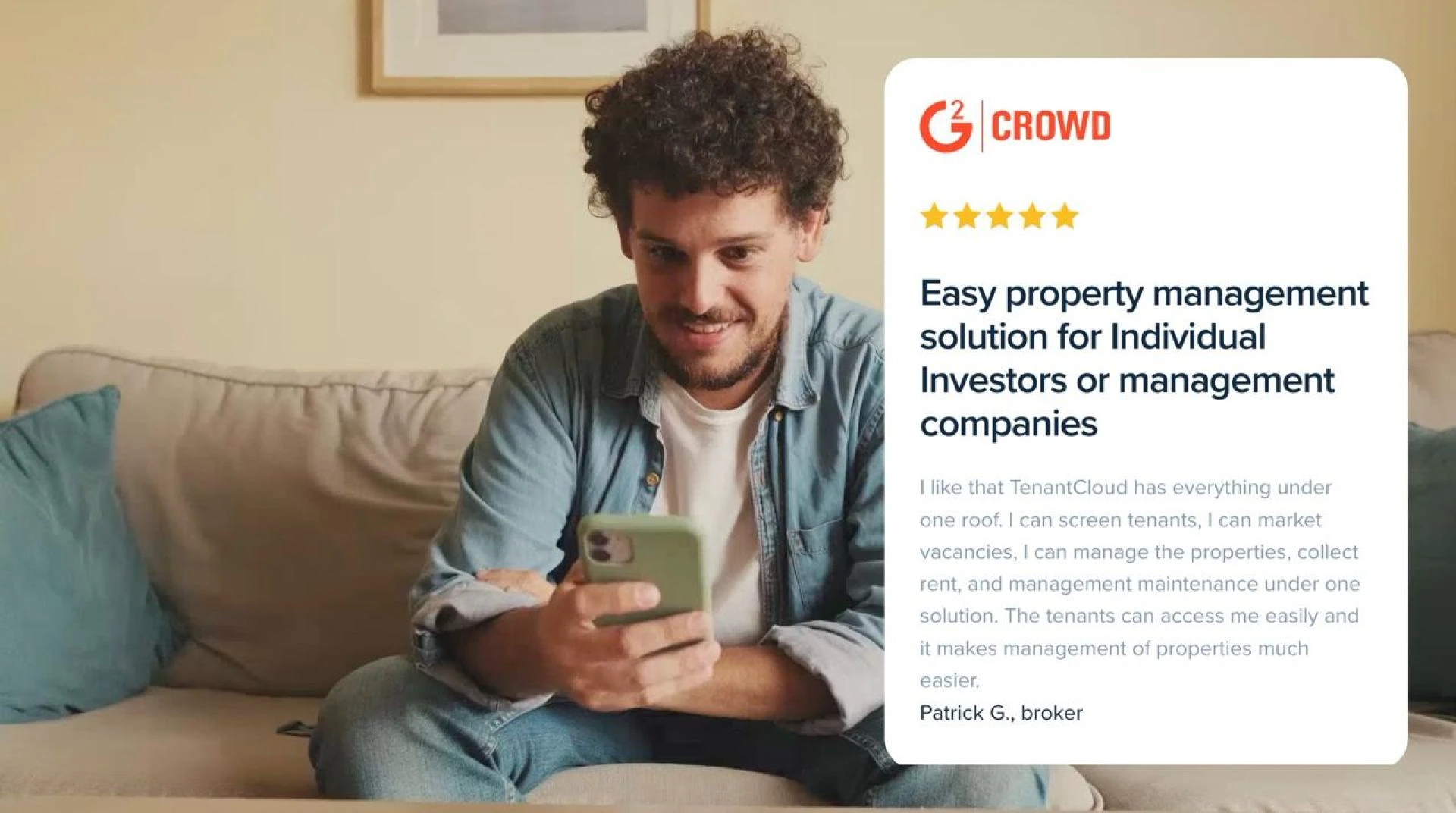
This is where all-in-one platforms shine. For example, TenantCloud offers a full comparison to DoorLoop link that highlights these exact differences. One platform might require integrations to offer the same functionality that TenantCloud builds in from the start. That’s a big deal when you're trying to avoid unnecessary costs and complexity.
Integrations Aren’t Evil—But They’re Not Always Efficient
Integrations sound good on paper. Connect your accounting app to your lease tracker, which connects to your CRM, which links to your screening tool. Great—until something breaks. Or doesn’t sync right. Or suddenly starts charging you more.
Every extra tool is another point of failure. Another login to remember. Another monthly charge. Another place where data can be lost or mismatched.
With a true all-in-one platform, everything works together because it was built to. You don't have to worry about syncing, matching formats, or chasing third-party support. You just work.
The Bottom Line: Fewer Tools, Fewer Headaches
There’s a reason experienced property managers are dropping the “Frankenstein tech stack.” It’s not just about simplicity—it’s about control. When your tools are connected by design, not by plugins, you get clarity. You work faster. You make fewer errors. And you spend less time fixing software problems and more time managing your properties.
So if your current setup feels like more of a burden than a help, ask yourself: is it the job that’s hard—or the tools you're using to do it?
Choosing a platform with built-in features isn’t about chasing trends. It’s about making your work easier, more accurate, and more professional. Because at the end of the day, managing rentals is hard enough. Your software shouldn’t make it harder.



















Sign in to leave a comment.