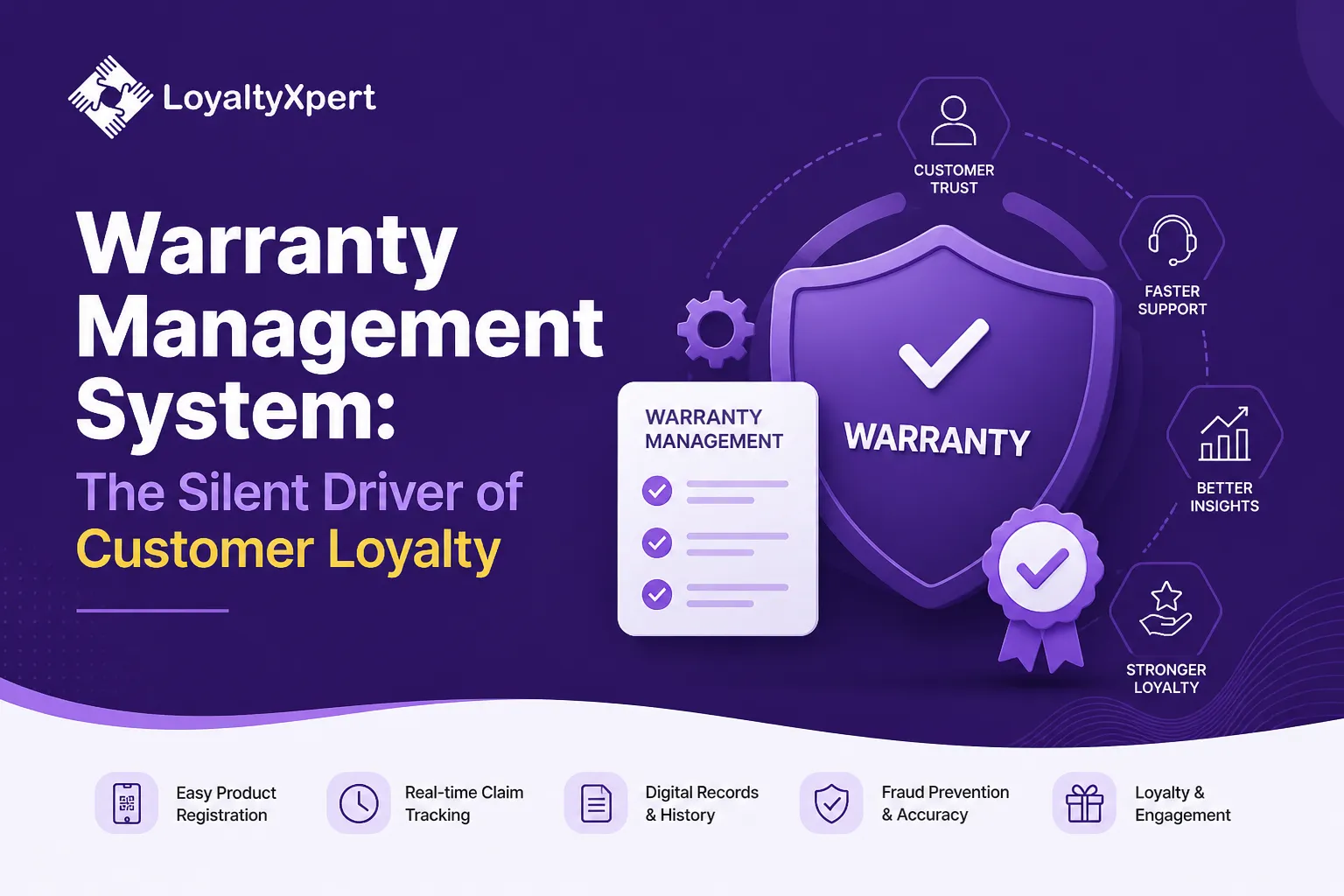

Nobody talks about this enough. Brands spend fortunes on ads, influencers, and launch events. Then a customer's product breaks three months later and the entire relationship hinges on what happens next. Not the campaign. Not the unboxing. That one moment in the service queue.
That's where warranty management either saves you or sinks you.
After the Sale Is Where Loyalty Actually Lives
Here's something worth sitting with: most customers don't leave because of the product. They leave because of what happened when the product failed.
Was the claim a nightmare? Did anyone respond? Did they feel like a ticket number or a real person?
These aren't small questions. They're the entire game.
A warranty system that works well answers all three without the customer having to chase anyone down.
It Used to Be a Filing Cabinet Problem
Honestly, for most of business history, warranty management system was just... paperwork. Someone's job was to keep records. Approvals went through email. Customers waited. Support teams winged it.
Nobody loved it. Nobody fixed it.
Now companies are starting to treat it differently not as a backend burden, but as an actual touchpoint that shapes how customers feel about the brand.
Digital systems today handle registration automatically, let customers file warranty claims without picking up the phone, send real-time status updates, and keep every purchase record in one place. It's not revolutionary technology. But the experience it creates? That actually is different.
Also Read: Warranty Claim Management Challenges in Manufacturing
Speed and Clarity That's What People Want
Customers aren't demanding miracles. They want two things: to know what's happening, and to not be made to feel stupid for asking.
A slow, confusing warranty process communicates something loud and clear. We didn't think about you after the sale. And customers hear that message. They share it.
A smooth one communicates the opposite. It says the brand thought ahead. It says someone cared enough to make this easy. That sticks with people longer than any loyalty points campaign ever will.
Where the Right System Actually Shows Up
Registration in seconds, not minutes QR code scan. Short form. Done. No instruction manual required. When registration is painless, customers actually do it and that matters for everything that follows.
No more "what's happening with my claim?" That question is a symptom of a broken process. Real-time tracking removes it entirely. Customers check the update themselves and move on. Support teams stop fielding the same call fifty times a day.
Approvals that don't take forever When validation is automated, the turnaround shrinks dramatically. Days become hours. That speed is noticed.
Records that hold up Serial numbers, purchase dates, invoice copies when these live in one organized place, disputes either don't happen or get resolved fast. No more "I can't find my receipt" conversations.
Actually using warranty data This is where it gets genuinely interesting. Platforms like LoyaltyXpert can plug into warranty data and do something useful with it remind customers before coverage expires, offer relevant extensions, reward registrations. The warranty function stops being purely reactive and starts pulling its weight in the loyalty program.
The Business Case Is Pretty Straightforward
A system that works well doesn't just help customers. It helps the company running it.
Fraudulent claims are easier to catch. Service costs come down over time. Product issues surface faster because the data is cleaner. Teams spend less time on manual work and more on things that actually need a human.
After-sales stops feeling like damage control and starts looking like a genuine advantage especially when competitors are still doing it the old way.
What to Actually Demand From a Solution
Because not every system delivers equally. The ones worth using tend to share a few things:
Automated workflows that don't require someone to babysit every step. Mobile interfaces that don't make customers pinch and zoom. Analytics that show patterns, not just totals. Clean integration with your CRM or loyalty stack. And communication that meets customers where they are SMS, email, in-app, whatever fits.
The test is simple: does this make things easier for your customers and your team, simultaneously? If the answer is yes, you've found the right one.
What Customers Actually Remember
Marketing budgets get forgotten. Launch excitement fades. The purchase itself? Eventually a blur.
But being treated well when something went wrong? That memory has a long shelf life.
A warranty management software won't make the front page of your brand story. It runs in the background. Customers don't think about it until they need it and when they do, it either confirms every good thing they believed about you, or quietly undoes it.
For something that operates this quietly, it carries a lot of weight.
Original Source: https://shorturl.at/DNG2P
Frequently Asked Questions
Why is warranty management so important for customer loyalty?
Warranty management is crucial for customer loyalty because it directly impacts how customers feel about a brand after a product fails. A smooth and efficient warranty process can reinforce positive feelings, while a frustrating experience can lead to customer attrition, demonstrating that after-sales service is just as vital as the initial sale.
What common issues do customers face with traditional warranty systems?
Customers often face slow response times, difficulty in tracking claims, and cumbersome processes when dealing with traditional warranty systems. These issues can make them feel undervalued and frustrated, which can damage their perception of the brand.
How can digital warranty management systems enhance customer experience?
Digital warranty management systems streamline processes by automating claim registrations, providing real-time updates, and keeping organized records. This convenience improves the customer experience, allowing them to resolve issues quickly and efficiently without excessive back-and-forth communication.
What features should I look for in a warranty management solution?
When selecting a warranty management solution, it's important to look for automated workflows, user-friendly mobile interfaces, robust analytics, and seamless integration with existing systems. Additionally, effective communication channels that meet customers where they are, such as SMS or email, are essential for a positive experience.
Can a good warranty management system reduce costs for companies?
Yes, a well-designed warranty management system can reduce costs by streamlining processes, catching fraudulent claims, and enabling quicker resolution of product issues. This not only lowers service costs over time but also allows teams to focus on more strategic tasks rather than repetitive manual work.
What role does warranty data play in customer engagement?
Warranty data can be leveraged to enhance customer engagement by sending reminders for coverage expirations, offering relevant product extensions, and rewarding registrations. When utilized effectively, warranty data transforms from a reactive tool into a proactive element of a brand’s loyalty program.




























Sign in to leave a comment.