

Digital transformation has become a buzzword in boardrooms, but behind the excitement lies a tough reality - most initiatives fail. According to a study by Boston Consulting Group, nearly 70% of digital transformation projects don’t meet their goals. The reasons vary, but they usually have one thing in common: a disconnect between strategy, people, and technology.
“In my experience, the problem isn’t the technology itself; it’s how organizations approach it,” says Rina Desai, a digital strategy advisor. “Companies often rush into transformation without understanding what it truly involves.”
In this article, we’ll break down why businesses struggle with digital transformation, the most common mistakes organizations make, and practical ways to fix them. You’ll also see how working with experts in Digital Transformation solutions can help companies navigate this journey successfully.
Understanding What Digital Transformation Really Means
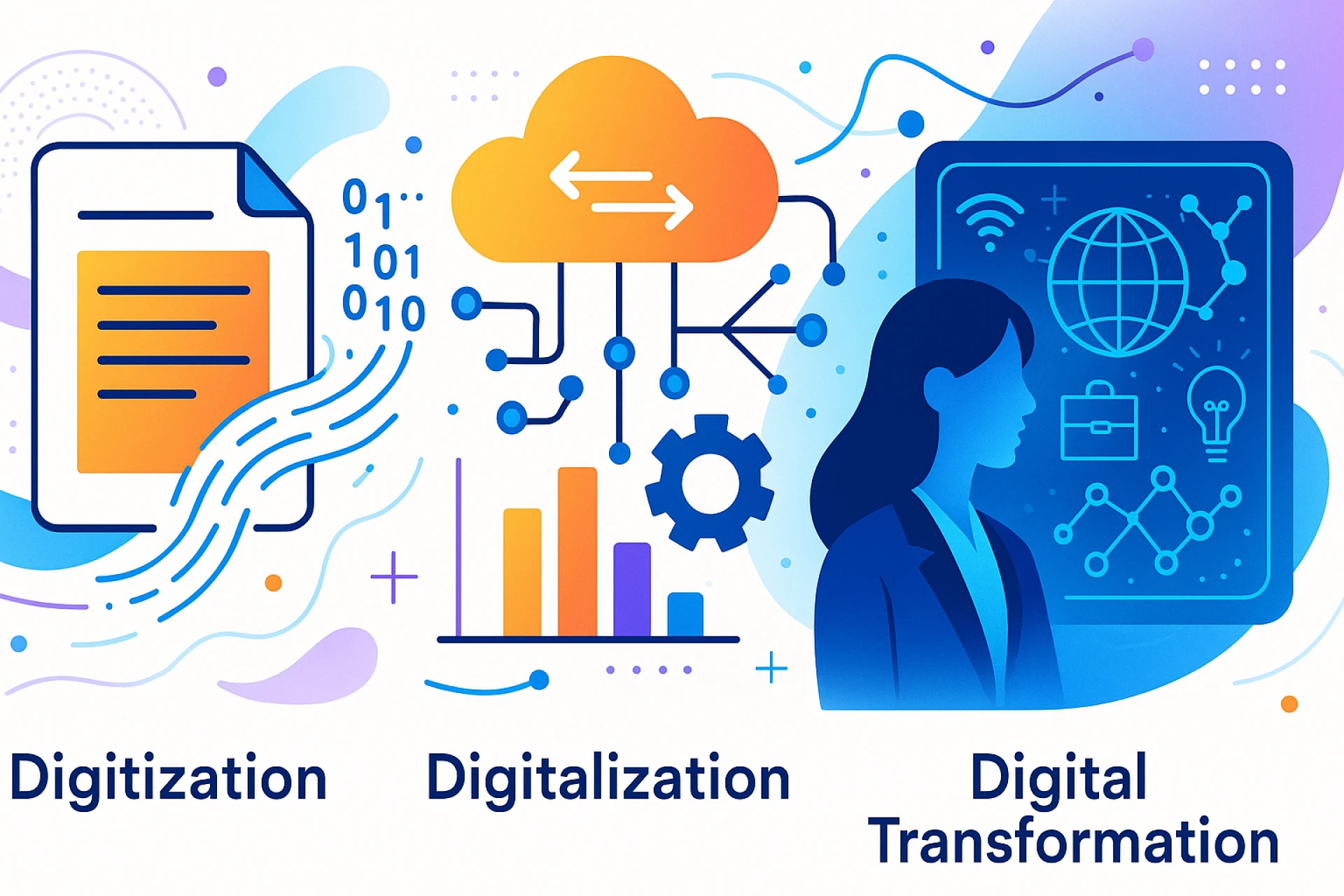
Digital transformation isn’t just about adopting new software or moving data to the cloud. It’s about redefining how a business operates - using digital tools to improve processes, customer experiences, and decision-making.
For many companies, the challenge starts here: they treat digital transformation as a one-time IT project rather than a long-term cultural shift. True transformation involves people, technology, and mindset working together to adapt continuously to new opportunities and challenges.
Why Digital Transformation Efforts Fail
Let’s look at the key reasons businesses fall short when trying to transform digitally - and what can be done differently.
1. Lack of Clear Vision and Strategy
One of the biggest reasons transformations fail is the absence of a clear, measurable vision. Companies often adopt technology without defining why they need it or what outcomes they expect.
I’ve seen organizations invest heavily in automation tools, CRM systems, or AI platforms without setting clear KPIs. Without measurable goals, even the best technology can’t deliver results.
How to Fix It:
Start with strategy, not tools. Identify pain points, define business goals, and align technology choices accordingly. A focused roadmap, supported by leadership, helps guide every step of the transformation.
2. Ignoring Company Culture
You can introduce the most advanced systems in the world, but if your employees resist change, progress will stall. Culture plays a critical role in transformation success. Many organizations underestimate how deeply habits, comfort zones, and internal politics influence adoption.
Employees might fear automation or feel excluded from decision-making, leading to low engagement and poor execution.
How to Fix It:
Involve teams from the beginning. Explain how the transformation benefits them and the organization. Provide training and encourage collaboration between departments. As I often say, “Transformation isn’t something you do to your people - it’s something you do with them.”
3. Poor Data Management
Digital transformation relies heavily on data - collecting, analyzing, and using it for decision-making. However, many businesses struggle with fragmented systems and inconsistent data sources.
When teams don’t trust the data or can’t access it easily, the entire process breaks down. Decision-makers end up relying on outdated information or gut instincts instead of accurate analytics.
How to Fix It:
Build a unified data strategy. Centralize data using cloud platforms and ensure accuracy through proper governance. Integrating analytics tools with IoT or AI systems helps convert raw data into actionable insights - a key step in successful transformation.
4. Overemphasis on Technology, Not People
Another common trap is focusing too much on technology while neglecting human adoption. Some companies see digital transformation as a tech upgrade rather than an operational evolution.
But no matter how advanced your tools are, they’re useless if your people can’t use them effectively.
How to Fix It:
Balance investment in technology with investment in people. Upskill employees, provide hands-on training, and create roles that blend digital and operational expertise. A digitally literate workforce can adapt faster to changing tools and processes.
5. Lack of Leadership Commitment
Digital transformation requires consistent leadership support. Without executive buy-in, initiatives lose direction or momentum. Middle management often gets stuck between strategic goals and daily operational demands, leading to confusion.
A PwC report found that 60% of successful digital transformations had active leadership involvement - not just approval, but participation.
How to Fix It:
Leaders must set the vision, communicate it clearly, and remain involved throughout the journey. This means not just funding technology but modeling digital-first behavior and supporting teams as they adapt.
6. Short-Term Thinking
Some businesses expect immediate ROI from digital transformation. They view it as a quick fix rather than a long-term evolution. As a result, projects are underfunded, rushed, or abandoned midway.
Digital transformation doesn’t deliver overnight results. It’s a continuous improvement process where progress compounds over time.
How to Fix It:
Adopt a phased approach. Start small, test, learn, and scale what works. Monitor key metrics like customer satisfaction, process efficiency, and cost savings to measure progress. This approach reduces risk and encourages sustained growth.
7. Lack of Integration Between Systems
Many organizations operate in silos, with departments using disconnected tools. Sales, marketing, finance, and operations often store data in separate systems, making collaboration difficult.
This lack of integration creates inefficiencies and prevents a single source of truth for decision-making.
How to Fix It:
Invest in system integration early. Modern digital transformation platforms, such as cloud-based ERP or CRM systems, can centralize operations. Working with Digital Transformation solution experts ensures the right technologies connect seamlessly across departments.
8. Resistance to Change
Change is uncomfortable - especially when it challenges existing routines. Resistance can come from any level, from frontline employees to senior managers.
In my experience, resistance often stems from fear: fear of automation, fear of failure, or fear of the unknown.
How to Fix It:
Create a culture that embraces change. Celebrate small wins, share success stories, and reward innovation. Change management programs and consistent communication help employees understand the purpose behind the transformation.
The Role of Technology in Fixing Transformation Failures
While human and strategic factors are critical, technology still plays an essential role in overcoming transformation challenges.
- Cloud Computing provides scalable infrastructure and flexibility.
- AI and Machine Learning help predict trends, automate processes, and personalize customer experiences.
- IoT and Automation bring real-time visibility into operations.
- Data Analytics turns raw information into business intelligence.
However, these technologies must be aligned with strategy and supported by a well-structured implementation plan. That’s where professional Digital Transformation solutions come into play - providing guidance, integration expertise, and measurable frameworks.
How to Ensure Your Digital Transformation Succeeds
Here’s a practical roadmap for businesses looking to get transformation right:
- Define a Clear Vision: Set measurable goals aligned with long-term business objectives.
- Build a Digital-Ready Culture: Encourage collaboration and cross-functional learning.
- Adopt Agile Practices: Break large projects into smaller, manageable phases.
- Invest in Data and Integration: Centralize systems to eliminate silos.
- Measure and Adapt: Track progress continuously and adjust strategies as needed.
- Partner with Experts: Collaborate with experienced providers like GeneralTechWorks to gain tailored solutions and ongoing support.
As one executive I worked with once said, “Transformation isn’t about perfection on day one - it’s about consistent improvement every day.”
Real-World Examples
- Ford Motor Company initially struggled with digital transformation due to fragmented systems and legacy processes. After focusing on data integration and leadership alignment, it achieved faster decision-making and product innovation.
- Nike revamped its digital strategy by connecting customer data, e-commerce platforms, and supply chains - turning its digital division into a major growth driver.
- Domino’s Pizza transformed from a traditional delivery business into a digital-first company by integrating AI, IoT, and customer analytics.
These examples show that transformation failures can be turned around with the right strategy, culture, and guidance.
The Bigger Picture: Transformation is a Journey
Digital transformation isn’t a project that ends - it’s an ongoing journey. Markets evolve, technologies shift, and customer expectations change. The organizations that thrive are those that treat transformation as a continuous learning process.
In my observation, the businesses that succeed are the ones that keep adapting, experiment with new tools, and empower their teams to think digitally at every level.
Conclusion
Most digital transformation failures stem from unclear goals, cultural resistance, or a lack of strategy. Fixing these issues requires strong leadership, unified systems, and a focus on people as much as technology. Partnering with experts like GeneralTechWorks Digital Transformation solutions helps businesses build a practical, scalable roadmap that delivers lasting results.
Transformation isn’t just about adopting digital tools - it’s about reimagining how a business operates, learns, and grows.




























Sign in to leave a comment.