

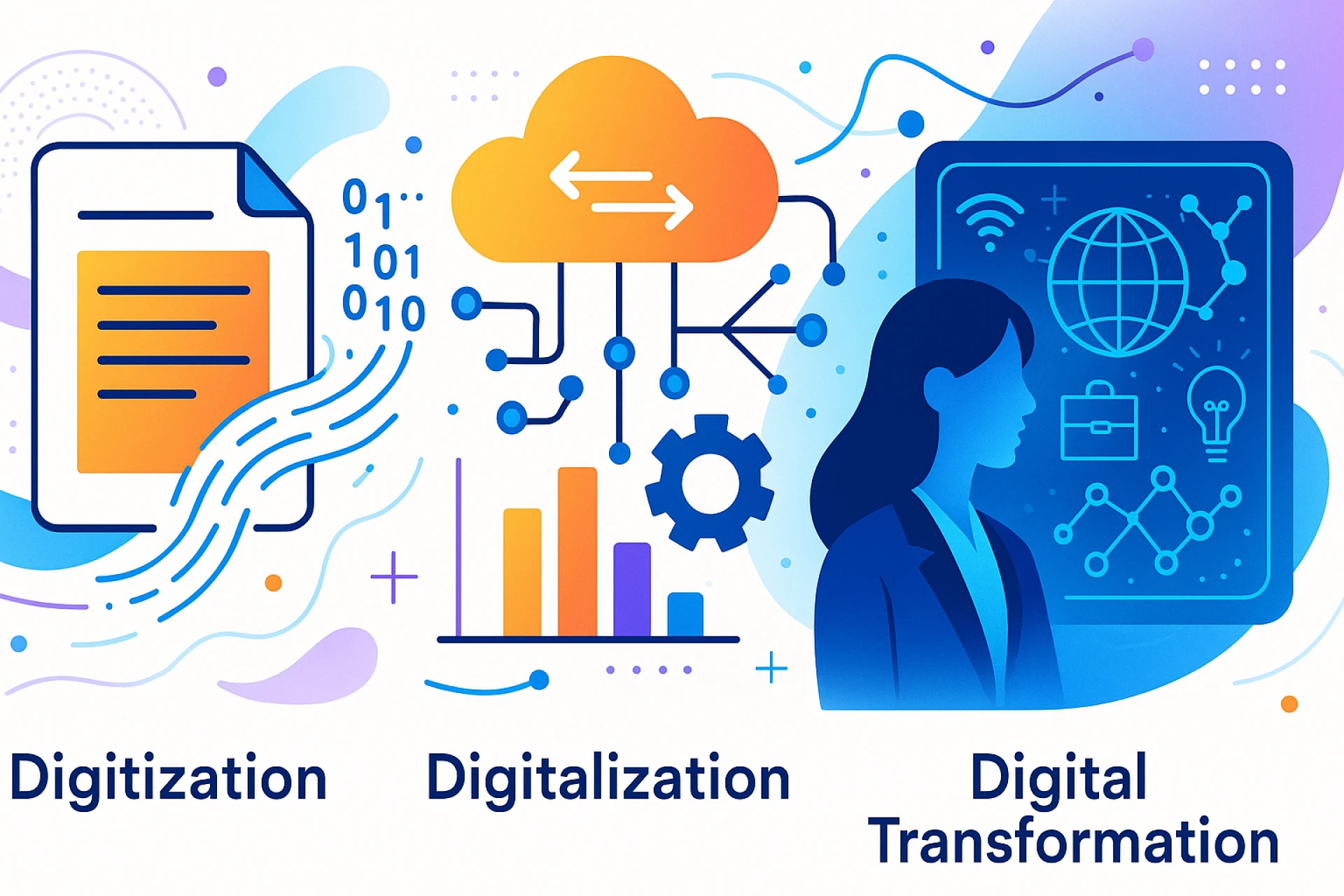
Digital transformation has moved far beyond being a tech buzzword. In 2025, it is set to become the core driver of competitiveness for businesses across industries. From artificial intelligence to hyper-automation, companies are rethinking how they operate, serve customers, and respond to change.
But transformation is not a one-size-fits-all journey. Leaders must prepare for the right trends that align with their market, resources, and long-term vision. This article explores the key digital transformation trends for 2025 that will shape how businesses innovate and thrive.
1. AI-Driven Decision Making Becomes Standard
Artificial Intelligence (AI) is no longer a futuristic concept; it’s a daily operational tool. In 2025, AI will be deeply embedded in decision-making, offering predictive analytics, real-time recommendations, and automated workflows.
AI systems are moving from reactive analytics (looking at past data) to predictive and prescriptive analytics (forecasting future scenarios and suggesting the best action).
Example:
Retailers are using AI to forecast inventory needs based on seasonality, location trends, and even social media activity. Manufacturers are using it to predict machinery breakdowns before they happen, cutting maintenance costs significantly.
📌 Related resource: Learn how GeneralTechWorks’ digital transformation solutions help organizations integrate AI into core processes.
2. Hyper-Automation Accelerates Operational Efficiency
Hyper-automation combines robotic process automation (RPA), AI, machine learning, and analytics to streamline end-to-end business processes. The aim is not just to replace manual tasks, but to optimize them for speed, accuracy, and cost savings.
By 2025, companies will expand automation beyond back-office processes like invoicing or data entry, applying it to supply chain management, customer onboarding, and compliance.
Key benefits:
- Reduced operational costs
- Fewer human errors
- Faster delivery cycles
3. Cloud-Native Platforms Become the Default
The shift from traditional data centers to cloud-native platforms will be near complete in 2025. Businesses want the flexibility, scalability, and resilience that cloud architectures offer.
The future lies in multi-cloud and hybrid-cloud strategies — not relying on a single provider but combining services for maximum uptime and performance.
Why it matters:
- Enables faster deployment of applications
- Enhances disaster recovery capabilities
- Allows global teams to collaborate without latency issues
4. Cybersecurity Mesh Architecture Gains Traction
With remote work, IoT devices, and cross-border operations becoming standard, cybersecurity needs to evolve. A cybersecurity mesh architecture creates a flexible, modular security framework that protects systems regardless of where they are located.
In 2025, expect a shift from perimeter-based security to identity-first protection. That means granting access based on verified identities and context, not just network location.
5. Personalization at Scale Through AI & Data
Customer expectations are at an all-time high. In 2025, businesses will leverage real-time customer data platforms (CDPs) to deliver personalization at scale.
For example:
- Financial services will recommend personalized investment strategies.
- E-commerce platforms will curate product suggestions based on user browsing and purchase history.
📌 Tip: Businesses can integrate personalization engines directly into their CRM, enabling seamless experiences without overcomplicating tech stacks.
6. Digital Twins for Business Simulation
A digital twin is a virtual replica of a physical system, process, or asset. In 2025, digital twins will be widely adopted for testing business strategies before deployment.
Manufacturers can simulate production lines to spot bottlenecks. City planners can test infrastructure projects virtually before construction. Retailers can model store layouts to maximize customer flow.
7. Sustainability-Driven Technology Adoption
Sustainability is no longer optional — it’s a competitive advantage. In 2025, businesses will adopt digital transformation strategies that also reduce environmental impact.
Examples include:
- AI-powered energy optimization in factories
- Blockchain for transparent supply chains
- Paperless operations through digital document management
8. Industry-Specific Platforms Rise
Instead of generic solutions, 2025 will see a boom in industry-specific digital platforms that combine core business functions with niche requirements.
Examples:
- Healthcare platforms integrating telemedicine, patient records, and billing
- Logistics platforms offering real-time route optimization and fleet tracking
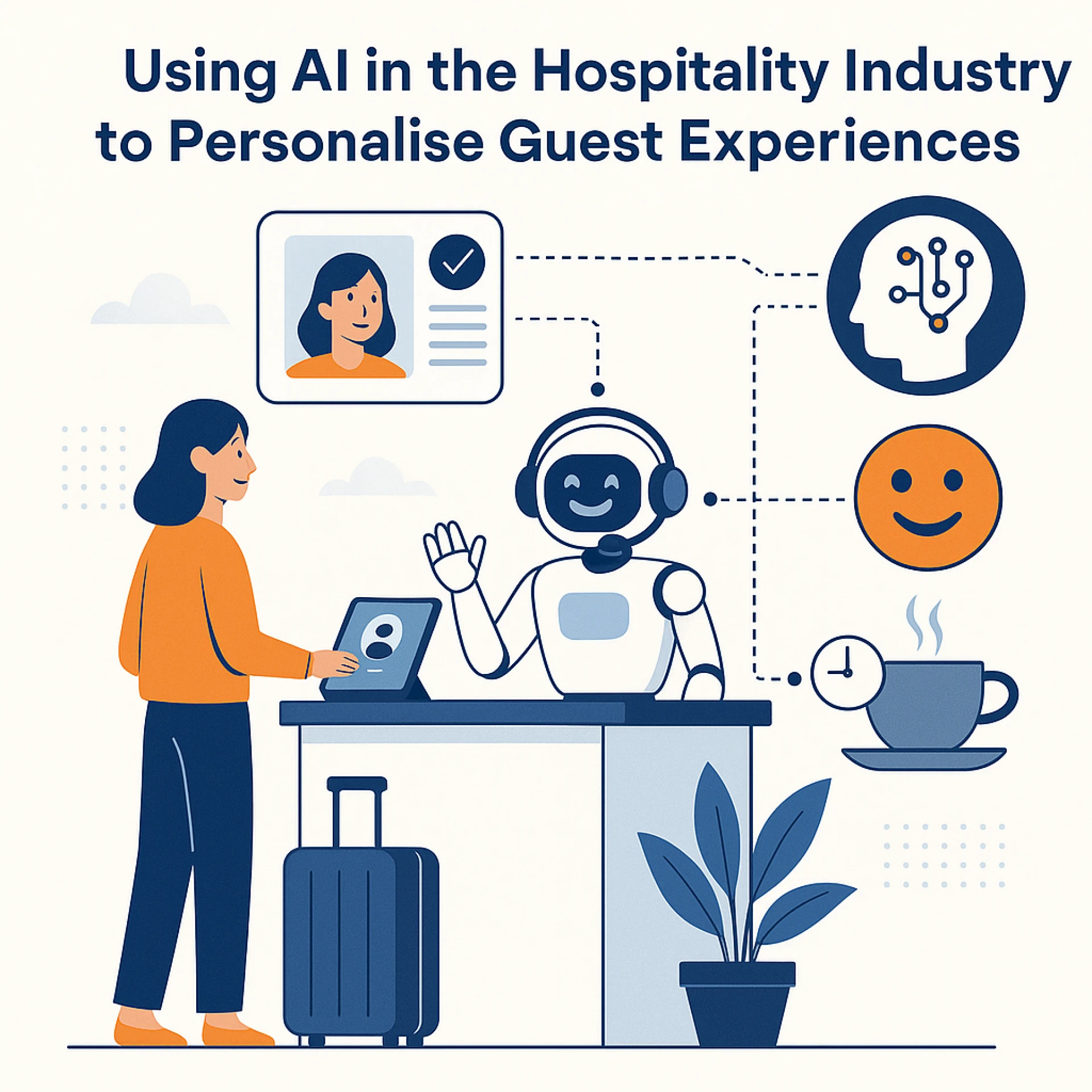
- Hospitality platforms managing reservations, staffing, and guest experiences in one place
9. The Workforce of the Future: Human + Machine Collaboration
Digital transformation in 2025 isn’t about replacing people — it’s about augmenting human work. AI assistants, virtual reality (VR) training, and automation will work alongside employees, freeing them from repetitive tasks so they can focus on creative and strategic work.
Upskilling will be crucial, with organizations investing in digital literacy, AI training, and cybersecurity awareness programs.
10. Metrics-Driven Transformation
By 2025, digital transformation success will be measured with clear, data-backed metrics — not vague claims of improvement.
Common metrics include:
- Time to market for new products
- Customer lifetime value (CLV) growth
- Process efficiency gains
- Employee productivity improvements
How Businesses Can Prepare Now
Waiting until 2025 to act is risky. Businesses that start now will have a competitive head start. Here’s a short roadmap:
- Assess Current Digital Maturity – Identify gaps in technology, skills, and processes.
- Prioritize High-Impact Trends – Focus on 2–3 trends that directly align with your industry needs.
- Build a Scalable Infrastructure – Cloud-native systems ensure you can adopt new tools without disruption.
- Upskill the Workforce – Invest in training to help teams adapt to new technologies.
- Measure, Refine, Repeat – Use metrics to track ROI and continuously optimize.
Final Thoughts
Digital transformation in 2025 will be defined by AI integration, automation, cloud-native systems, security innovation, and personalization at scale. Businesses that prepare early — aligning strategy with the right trends — will not just adapt to change, but lead it.
To explore practical, industry-ready digital transformation solutions, visit GeneralTechWorks’ Digital Transformation page and discover how organizations are making these trends a reality.
























Sign in to leave a comment.