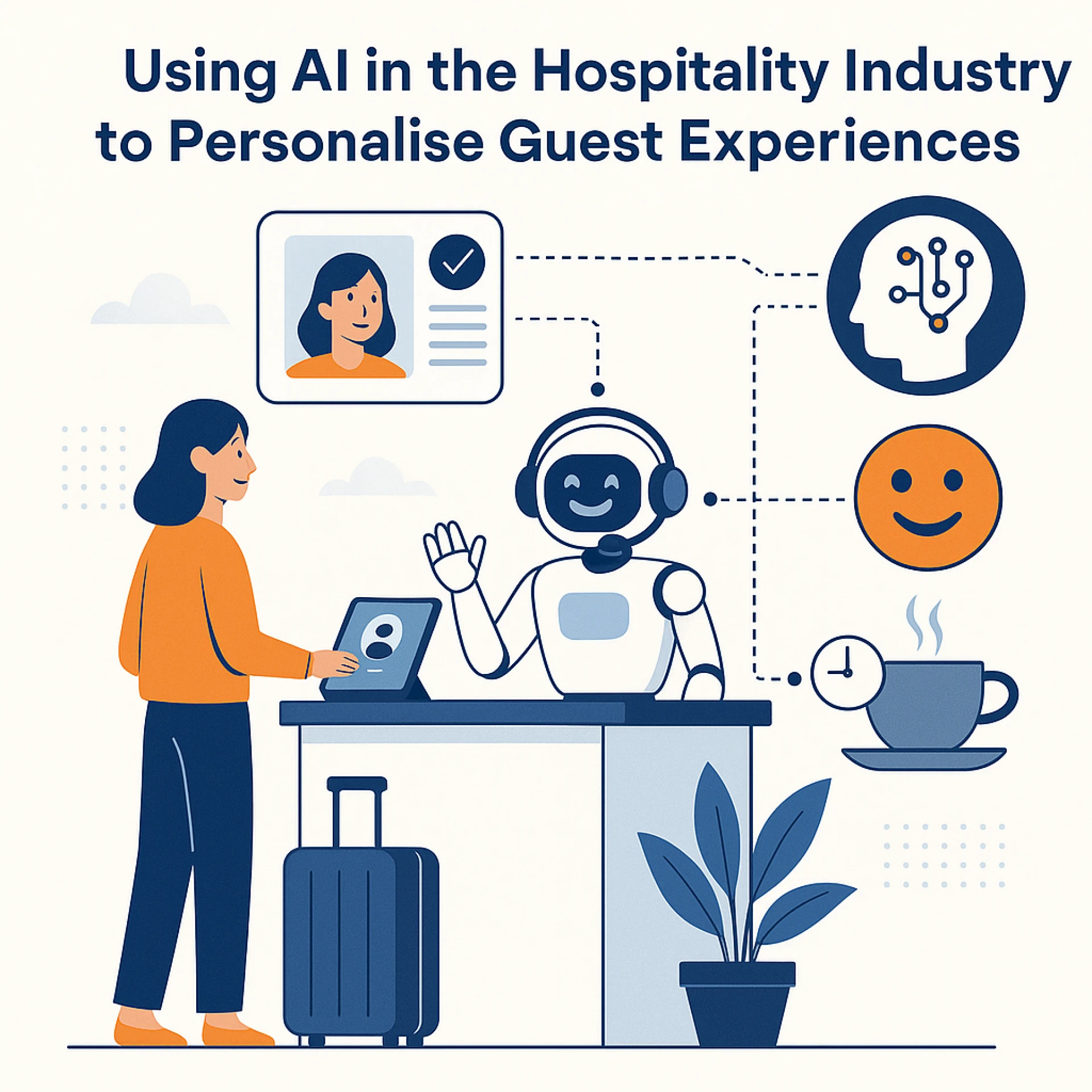

You can have the fanciest lobby, plushest pillows, or fastest Wi-Fi in town - but if your guest doesn’t feel seen, the experience falls short.
That’s what today’s travelers expect. Not just service. Not just comfort. But a stay that feels personal.
A PwC study found that 86% of travelers are willing to pay more for a better customer experience. What defines “better” today isn’t just extra amenities - it’s thoughtful details, such as getting the room temperature right, offering breakfast that someone prefers, or sending timely information without being asked.
And no, this isn’t always handled by a front desk clerk. In many cases, it’s AI quietly working behind the scenes - learning, adapting, and responding to guest behavior.
The Shift from Standard to Personal
When I travel for work, I stay at the same mid-range hotel chain. The first few visits were normal. But then they started remembering things.
I’d arrive to find the air conditioning already set to the temperature I usually prefer. A quiet corner room - just as I had asked once before - was now standard for my booking. Even the bottled water was the non-carbonated type I like.
No big announcements. No upselling. Just subtle services that fit my habits.
This is what Digital Transformation Service in AI hospitality guest personalization looks like when done well. It doesn’t take over the experience. It enhances what’s already there.
The Role of Chatbots: Smart, Not Robotic
If you’ve ever interacted with a hotel chatbot and thought, “That was helpful,” it probably wasn’t a simple automated script.
AI chatbot integration in hotels has evolved significantly beyond simply answering generic FAQs. Today’s systems can:
- Recognise returning guests
- Remember previous requests
- Share personalised suggestions
- Coordinate services across departments.
For example, if you previously asked for a yoga mat in your room, the next time you book, the chatbot might ask, “Would you like us to prepare your yoga mat again?” No need to retype or explain.
Hotels like Radisson and Marriott have adopted AI messaging platforms on apps, WhatsApp, and even SMS. These aren’t gimmicks - they’re part of a bigger system that remembers and responds intelligently.
“AI chat tools let us support guests faster and with more consistency,” said Aditi Sharma, guest services manager at a Mumbai-based property. “It doesn’t remove the human aspect - it gives us more time to focus on it.”
Listening Without Asking: Sentiment Analysis
A surprising part of AI’s role in personalization doesn’t happen during the stay - it happens after.
Guests leave feedback. Some fill in forms. Others leave short reviews or quick comments on social media. That’s a mountain of data, and reading it all manually? Impossible.
This is where AI sentiment analysis in hospitality comes into play. These tools analyse the language in reviews and feedback to detect emotions, not just words.
So, if a guest writes “The breakfast was fine, but the check-in was a bit of a mess,” a basic tool might just flag “breakfast” as positive. But AI-powered systems understand context. They recognise the underlying disappointment and can alert hotel staff to act, maybe by offering a faster check-in option on the guest’s next visit.
It’s about catching the things people don’t say outright, but feel.
Predicting Preferences Before They’re Spoken
Here’s something I’ve seen more often in higher-end hotels: I book a room, and before I check in, I get a message with an offer that feels oddly tailored.
“Would you like an extra towel set, like last time?”
“Want us to schedule your morning coffee at 8:00 AM again?”
I never filled in a preference form. I just stayed there once.
That’s AI predictive personalization in hotels at work. It’s a system that tracks your past interactions, learns from them, and makes thoughtful suggestions the next time around. It doesn’t just automate - it adjusts.
And that’s the key difference. Predictive personalization isn’t about pushing offers. It’s about knowing when not to ask. The AI looks at your booking history, request patterns, and even the time of year you travel to tailor the experience.
This isn’t about technology for its own sake - it’s about making things smoother for the guest.
Real-Life Use Cases: Where AI is Already Making a Difference
Let’s ground this in what hotels are doing today, not what they might do five years from now.
Taj Hotels: They’ve rolled out digital guest profiles for loyalty members. These profiles track preferences across stays, helping staff set up rooms based on past habits, like preferred pillow types or room lighting.
OYO Rooms: OYO uses AI to optimise room allocation. If a guest frequently books quiet rooms on upper floors, the system flags it during their next stay and adjusts the room assignment automatically.
Hilton Hotels: Their app-based personalization system uses AI to predict and suggest room settings, dining options, and even check-in preferences based on user behavior across stays.
These hospitality AI use cases for personalization don’t just benefit luxury guests. Even budget travelers notice the difference.
AI Should Help Humans, Not Replace Them
There’s a concern that AI might remove the warmth from hospitality. But in practice, the opposite is often true.
When AI handles the repetitive or administrative parts - like room allocation, reminders, or feedback summaries - it frees up human staff to do what they do best: engage with people.
The most successful hotels I’ve worked with treat AI like a silent partner. It keeps operations running smoothly in the background while the front-of-house staff focuses on welcoming guests, handling unique requests, or resolving issues that require empathy.
One operations head told me, “It’s like having an extra team member who never sleeps, never forgets, and never gets tired.”
Challenges: It’s Not All Easy Wins
It would be unfair to pretend that AI-based personalization comes without hurdles.
Here are a few:
1. Data Privacy: Guests are often unaware of how much information is being tracked. Hotels need to be transparent about data usage and offer clear opt-out options.
2. Cost Barriers: While larger chains can invest in complex AI systems, smaller properties may struggle. However, affordable tools are emerging that offer basic personalization features without major infrastructure changes.
3. Tone and Sensitivity: AI systems can misinterpret tone or context. Offering flowers to someone who just canceled due to a family emergency? That’s where human oversight is still essential.
Hotels must balance automation with careful, ethical decision-making.
Practical Tips for Hotels Starting Out
If you’re managing or advising a hospitality business, here are simple steps to begin with AI-driven personalization:
- Introduce Smart Chatbots: Start with a chatbot that handles routine queries. Make sure it integrates with your booking and CRM system.
- Gather Feedback Thoughtfully: Use short post-stay surveys, review scraping, and online sentiment tools to learn what guests feel.
- Personalise Small Touches First: Think: pillow choices, check-in timing, breakfast preferences. Don’t go overboard - consistency matters more.
- Invest in Staff Training: AI won’t help if the team doesn’t know how to use it. Make sure everyone understands what the system tracks - and how to use that insight meaningfully.
- Review and Adjust Often: Treat AI like a live system. Keep an eye on guest responses and update personalization features based on what’s working.
Final Thought
Technology isn’t replacing hospitality - it’s reshaping how it works behind the scenes. The goal remains the same: make people feel welcome, cared for, and remembered.
Whether it’s through a chatbot that checks you in at midnight or a system that remembers how you like your room, AI is helping hotels do what they’ve always aimed to do - just a little more efficiently, and a little more personally.
And when it’s done right? You may not even notice the technology. You’ll just feel like the hotel knew what you needed, without you having to ask twice.




























Sign in to leave a comment.