Introduction
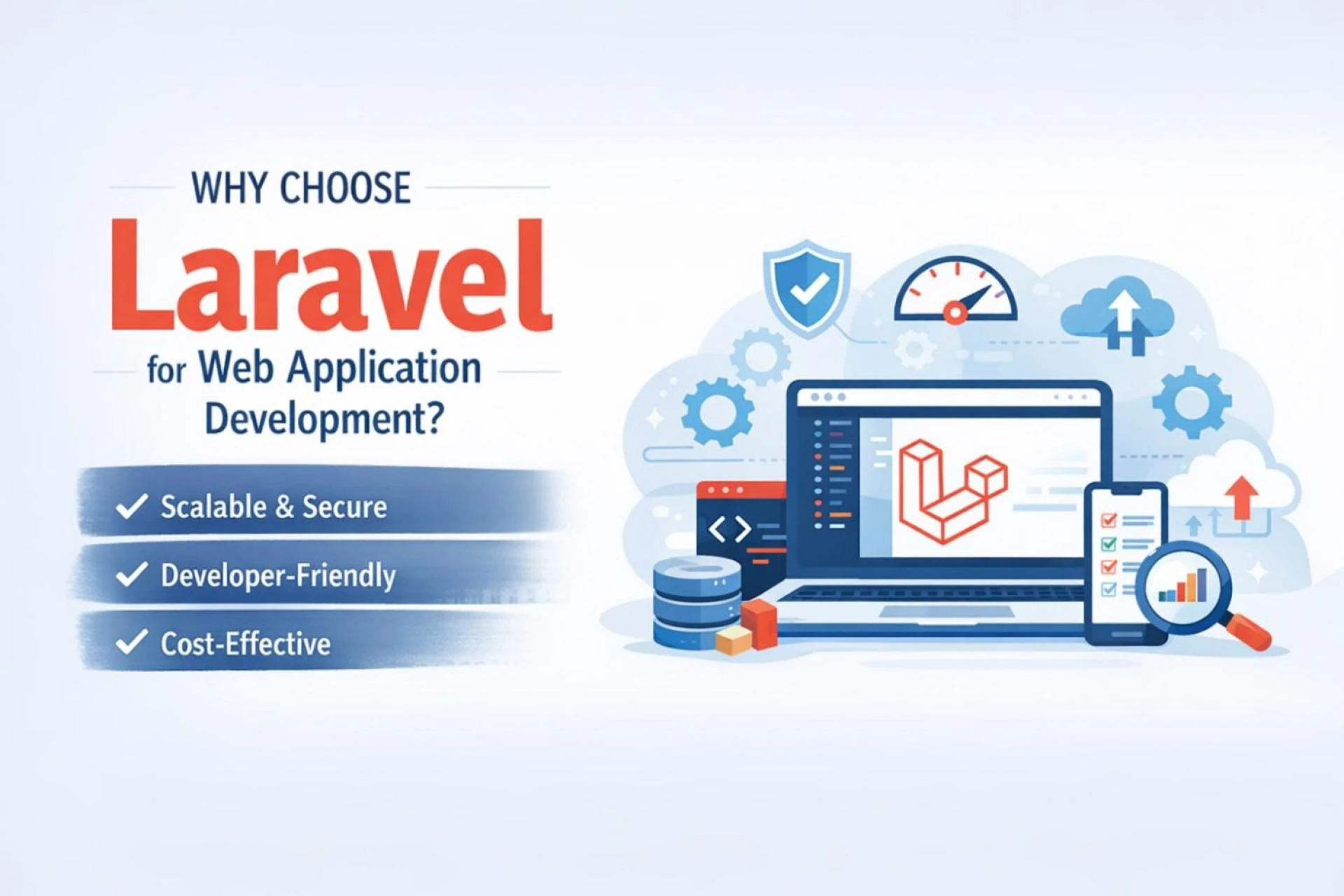
Choosing a web framework often feels like choosing a gym membership full of optimism, slightly overwhelming, and packed with promises. Some frameworks dazzle with complexity; others charm with simplicity. Laravel sits comfortably in the sweet spot between power and elegance. Businesses exploring laravel app development often discover that it balances performance, security, and scalability without turning the codebase into a digital maze. And let’s be honest clean, readable code is a gift to future developers and to anyone revisiting a project six months later). So, what makes Laravel such a dependable choice? Let’s unpack it thoughtfully.
The Elegance of Simplicity (That Actually Works)
Laravel’s syntax feels less like wrestling with code and more like having a structured conversation with it. Built on the MVC architecture, it organizes logic, presentation, and data neatly—no chaotic spaghetti code in sight. Developers appreciate how expressive and readable the framework is, especially when compared to older PHP systems that resemble archaeological digs. The learning curve remains manageable, and onboarding new team members becomes smoother. In short, Laravel makes complexity look graceful—an impressive trait in the often untidy world of web application development.
Built-In Tools That Save Time (and Sanity)
Laravel arrives prepared. Artisan CLI automates repetitive tasks, Eloquent ORM simplifies database management, and Blade templating keeps views clean and dynamic. These tools eliminate much of the manual heavy lifting developers once endured. There was a time debugging consumed entire afternoons; discovering Artisan felt like finding a shortcut through traffic—suddenly, productivity doubled. Faster development cycles mean quicker launches and fewer headaches. For businesses, that translates into efficiency and lower costs. Laravel’s built-in toolkit is less about convenience and more about intelligent design.
Security Features That Businesses Trust
Security is not optional—it is foundational. Laravel includes built-in protections against common threats such as SQL injection, cross-site scripting, and cross-site request forgery. Authentication and authorization systems are structured and customizable, making user management reliable and secure. Password hashing and encryption come ready to deploy, reducing vulnerabilities from the start. A professional web development company leverages these features to build applications that protect both user data and business reputation. Laravel treats security not as an add-on, but as an essential layer integrated into its architecture.
Scalability for Growing Applications
Growth is exciting—until infrastructure struggles to keep up. Laravel addresses scalability through caching systems, queue management, and seamless cloud integration. Whether integrating with AWS or managing high traffic loads, the framework adapts without compromising performance. Applications built with Laravel can evolve from startup MVPs to enterprise-grade systems. Scalability is not an afterthought but a deliberate feature. As businesses expand, their technology stack should expand with them. Laravel provides that flexibility, ensuring long-term viability rather than short-term fixes.
Community Support and Ecosystem
A strong community often determines a framework’s longevity. Laravel benefits from an active global developer base, detailed documentation, and a robust ecosystem of packages. When challenges arise, solutions are rarely far away—forums, GitHub repositories, and tutorials offer guidance. Regular updates ensure compatibility with modern standards and security patches. The ecosystem extends functionality without reinventing the wheel, saving time and resources. A vibrant community does more than solve bugs; it fuels innovation and ensures Laravel continues to evolve with industry demands.
Cost-Effectiveness for Businesses
Budget considerations shape most technology decisions. Laravel, being open-source, eliminates licensing fees while delivering enterprise-level capabilities. Faster development cycles reduce labor costs, and clean architecture simplifies maintenance over time. The framework’s efficiency allows teams to focus on innovation instead of troubleshooting structural flaws. Over the long term, Laravel projects often prove cost-effective due to lower maintenance complexity and strong community support. Smart investments in technology prioritize sustainability, and Laravel offers a practical balance between affordability and performance.
When Laravel May Not Be the Best Choice
Every tool has its purpose. Laravel excels in complex, scalable applications, but smaller static websites or extremely lightweight projects may not require its full capability. In such cases, simpler frameworks or CMS platforms might suffice. Selecting the right technology depends on project scope, budget, and long-term vision. Balanced decision-making builds credibility and prevents over-engineering. Laravel is powerful—but power should match the problem being solved. Thoughtful evaluation ensures technology choices remain strategic rather than trendy.
Conclusion
Choosing a framework is less about following trends and more about aligning technology with goals. Laravel combines elegance, security, scalability, and cost-efficiency into a cohesive package. Its ecosystem, developer-friendly syntax, and built-in tools create an environment where innovation thrives. Businesses seeking dependable web solutions often find Laravel strikes the right balance between sophistication and simplicity. In the end, sustainable growth depends on stable foundations—and Laravel consistently proves itself capable of supporting ambitious digital journeys.
FAQs
1. What makes Laravel different from other PHP frameworks?
Laravel offers expressive syntax, built-in security features, and powerful development tools like Artisan and Eloquent ORM, making development faster and more structured.
2. Is Laravel suitable for enterprise-level applications?
Yes. Laravel supports scalability, cloud integration, and advanced security, making it suitable for large-scale enterprise applications.
3. How secure is Laravel for web development?
Laravel includes protection against SQL injection, CSRF, and XSS attacks, along with secure authentication systems and encryption.
4. Can Laravel handle high-traffic websites?
With caching, queue systems, and cloud support, Laravel can efficiently manage high-traffic applications.
5. Is Laravel cost-effective for startups?
Yes. As an open-source framework with rapid development capabilities, Laravel helps reduce initial and long-term development costs.
























Sign in to leave a comment.