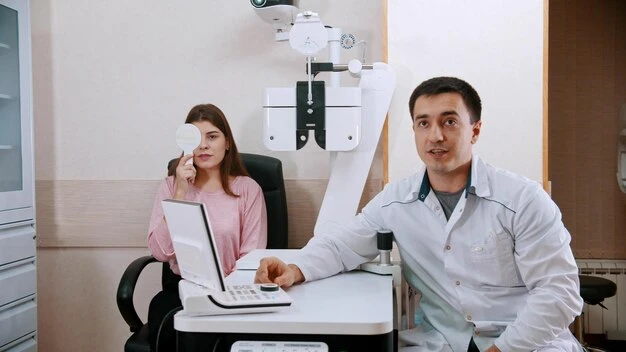

When it comes to eye care, the place you choose can influence not only how well you see today, but also how confidently you protect your vision for years to come. General clinics can be helpful for routine concerns, but a specialized eye hospital is built for depth: advanced diagnostics, trained sub-specialists, and a care pathway designed specifically for eye conditions. If you or a loved one is considering treatment for cataracts or other vision problems, understanding what makes a specialized facility different will help you make a safer, clearer decision, especially when outcomes depend on precision, hygiene protocols, and experienced hands.
Why a Specialized Eye Hospital Makes a Difference
Focused Expertise and Sub-Specialists
A specialized eye hospital typically has teams dedicated to specific eye problems, such as cataract, retina, glaucoma, cornea, pediatric ophthalmology, and more. That matters because eye conditions can overlap, and a focused expert is more likely to spot small warning signs early.
Key advantages include:
- Doctors who handle high volumes of eye-specific cases
- More accurate diagnosis for complex symptoms (blurred vision, glare, halos, eye pressure)
- Clear referral pathways if multiple issues are present (for example, cataract + glaucoma)
When you’re selecting a cataract hospital in Vadodara, specialized expertise can be the difference between “good enough” and “best possible” vision after surgery.
Advanced Technology for Safer, More Predictable Outcomes
Eye hospitals invest in high-precision machines because tiny measurements create big outcome differences. For cataract care, accurate lens power calculation and detailed corneal mapping help deliver sharper post-surgery vision.
Technology that often signals a strong facility:
- Optical biometry for IOL (intraocular lens) calculation
- Corneal topography and pachymetry for corneal health evaluation
- High-quality operating microscopes and sterilization systems
- OCT imaging (useful if retinal issues are suspected)
These tools support better planning, reduce surprises during surgery, and improve visual results, especially for patients who want spectacle reduction with premium lens options.
Streamlined Processes and Safety Protocols
Specialized eye hospitals are designed around patient flow for eye care, from testing to pre-op counseling to post-op follow-up. This reduces waiting, confusion, and missed steps.
What a well-run process often includes:
- Standardized pre-surgery evaluation checklist
- Clear explanation of lens options, costs, and expected outcomes
- Infection control protocols tailored for eye surgery environments
- Same-day discharge guidance and emergency contact steps
If you’re comparing options for a cataract hospital in Vadodara, ask how they handle pre-operative testing, sterilization, and follow-up scheduling because consistency and hygiene are critical.

Cataract Care: What “Specialized” Should Look Like
Comprehensive Cataract Evaluation (Not Just a Quick Check)
Cataracts can seem straightforward, but your eye health might not be. Dry eye, diabetes-related changes, high eye pressure, or retinal conditions can affect both surgical timing and results.
A thorough cataract work-up may include:
- Vision and refraction testing
- Eye pressure measurement
- Dilated retinal exam
- Lens grading and glare testing (when needed)
- Discussion of lifestyle needs (night driving, screen work, reading habits)
Lens Options and Personalized Vision Goals
Modern cataract surgery is also a vision-planning opportunity. The “right” lens depends on your lifestyle and budget. A specialized hospital typically provides counseling so you can choose wisely, not emotionally.
Common IOL categories discussed:
- Monofocal lenses (distance clarity; glasses often for near)
- Toric lenses (for astigmatism correction)
- Multifocal/EDOF lenses (aim to reduce dependence on glasses)
A specialized team explains trade-offs like glare, halos, contrast sensitivity, and realistic expectations.
Better Follow-Up = Better Long-Term Vision Protection
Post-surgery care is not a formality. Eye pressure spikes, inflammation, infection risk, or delayed healing need monitoring. Strong follow-up protocols reduce complications and improve comfort.
One of the smartest habits you can build even after successful surgery is regular vision testing, because vision changes can happen slowly and silently, especially with diabetes, glaucoma risk, or age-related retinal changes.
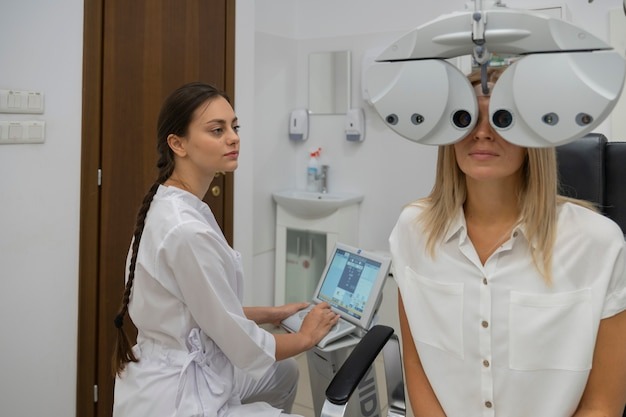
How to Choose the Right Eye Hospital in Vadodara
Questions to Ask Before You Decide
Use these questions to quickly judge whether you’re in the right place:
- How many cataract surgeries does the surgeon/team perform monthly?
- Which diagnostic tests are included before surgery?
- What lens brands/options are available, and how are they explained?
- What are the sterilization and infection-control standards?
- Who handles emergencies after surgery, and how fast can you be seen?
Signs of a Patient-First Facility
You’ll often feel quality in the details. Look for:
- Clear written instructions (medicines, precautions, follow-up dates)
- Transparent pricing and billing explanations
- Staff who encourage questions without rushing
- A clean, organized OT and testing area
Choosing a cataract hospital in Vadodara should be based on competence, clarity, and trust not only distance or discounts.
A Note on Decision-Making and Emotional Clarity
Health choices can feel overwhelming, especially when family members are involved. Some people find comfort in seeking guidance from many sources. While medical decisions should always be based on clinical evaluation and professional advice, individuals sometimes turn to personal belief systems like life direction astrology for emotional reassurance. If you do, treat it as a supportive perspective not a replacement for an eye specialist’s diagnosis, surgical planning, or follow-up care.
Conclusion
A specialized eye hospital offers focused expertise, advanced diagnostics, stronger safety protocols, and a smoother treatment journey, especially for cataract care, where precision truly matters. When you choose the right facility, you’re not just treating cloudy vision; you’re investing in safer procedures, clearer outcomes, and long-term eye health. Take time to compare options, ask direct questions, and prioritize experience and quality systems because your vision deserves care built specifically around it.




























Sign in to leave a comment.