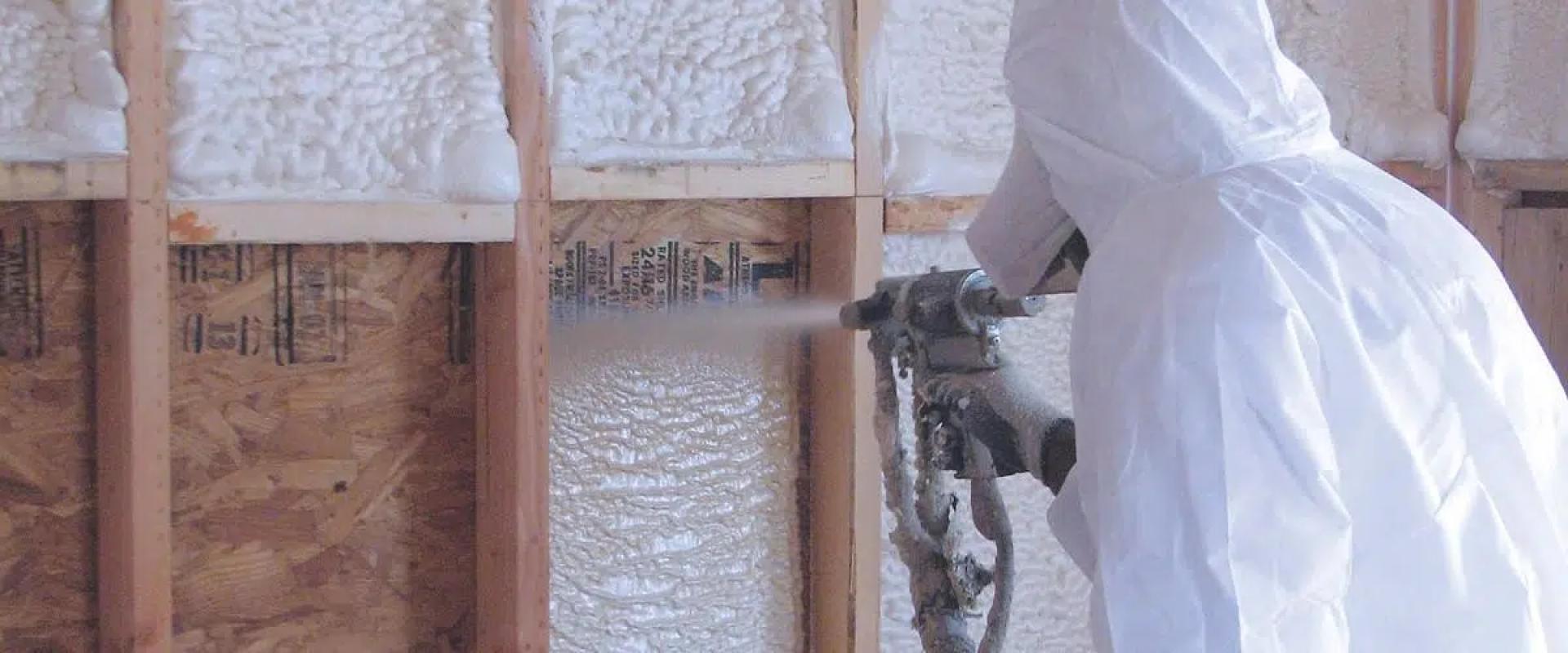

Closed-cell spray foam insulation is recognized for its high performance in both residential and commercial applications. Its dense structure, moisture resistance, and energy-saving characteristics make it a preferred choice for a professional spray foam insulation contractor where thermal control and durability are critical. This article breaks down why closed-cell spray foam performs better than other types of insulation and how it meets building performance goals more effectively.
How Closed-Cell Spray Foam Improves Building Envelope Efficiency
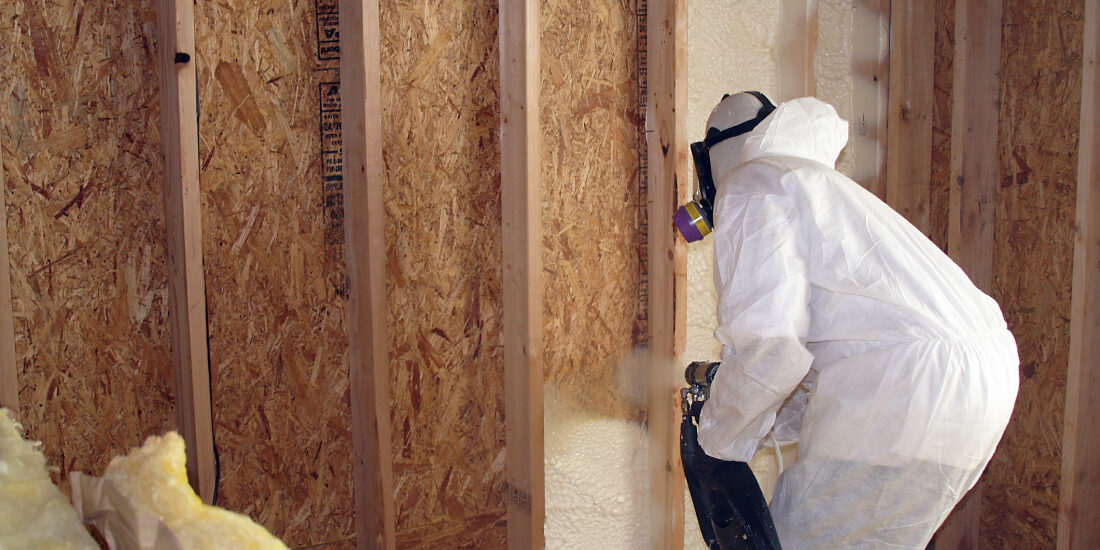
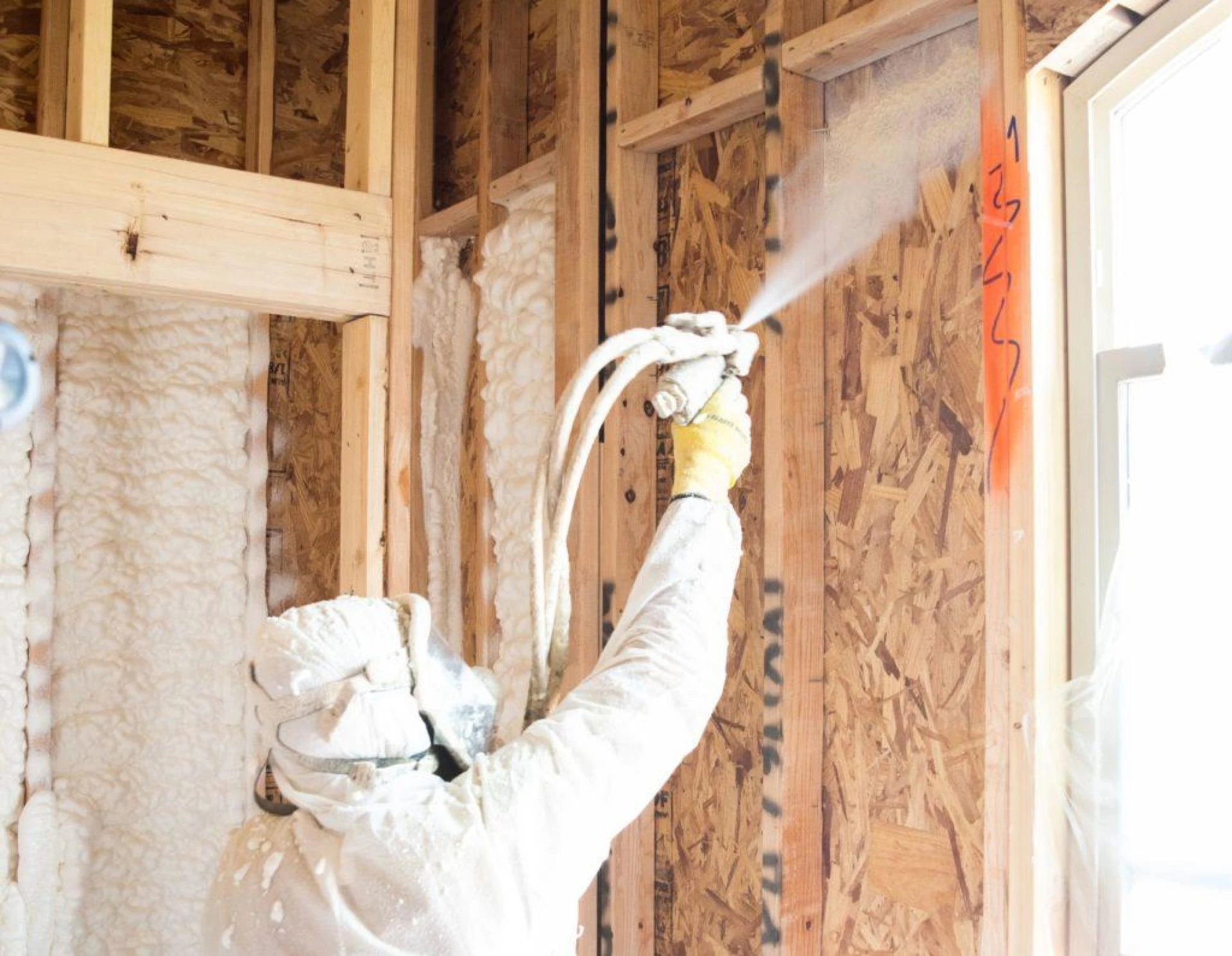
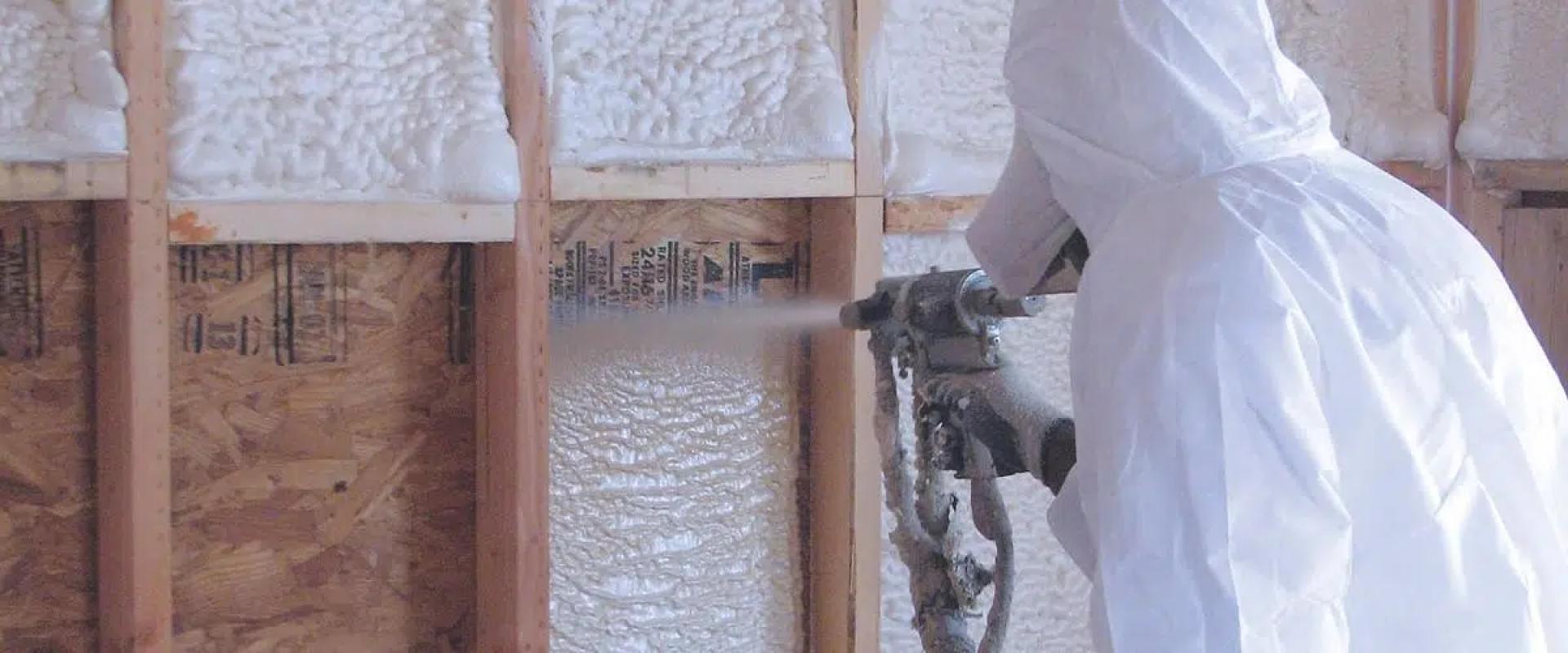
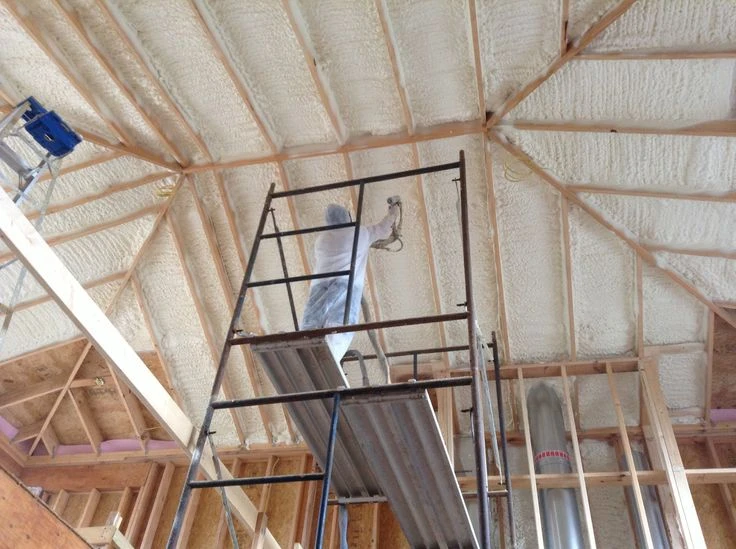
Closed-cell spray foam helps seal and insulate in one step, reducing air and moisture flow through walls, ceilings, and floors. Its compact cellular structure enhances thermal performance, making it a strong choice for demanding environments.
Seals Air Leaks More Effectively
Air leakage contributes to up to 30% of energy waste in buildings. Closed-cell foam reduces uncontrolled air movement by filling gaps, cracks, and irregular cavities.
- Forms a continuous barrier without joints or seams
- Sticks tightly to wood, metal, and masonry
- Reduces reliance on mechanical fasteners or tapes
Provides Higher R-Value per Inch
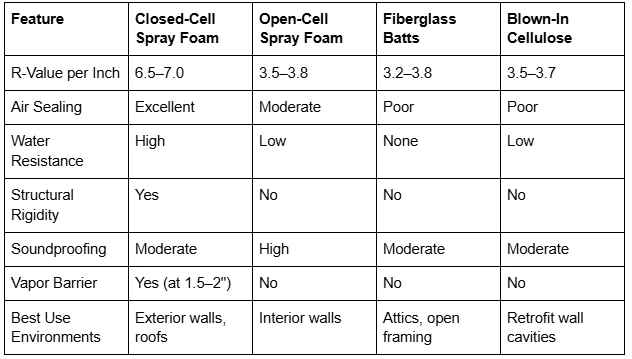
R-value indicates thermal resistance. Closed-cell spray foam offers some of the highest R-values available in building insulation.
- Delivers an R-value around 6.5–7 per inch
- Outperforms fiberglass (R-3.2–3.8 per inch) and cellulose (R-3.5–3.7 per inch)
- Reduces the thickness required for code compliance in tight assemblies
Blocks Moisture and Vapor Infiltration
Closed-cell spray foam is water-resistant and functions as a vapor retarder.
- Does not absorb water when exposed to humidity
- Limits condensation inside wall systems
- Suitable for basements, crawl spaces, and humid climates
Structural Benefits of Closed-Cell Spray Foam
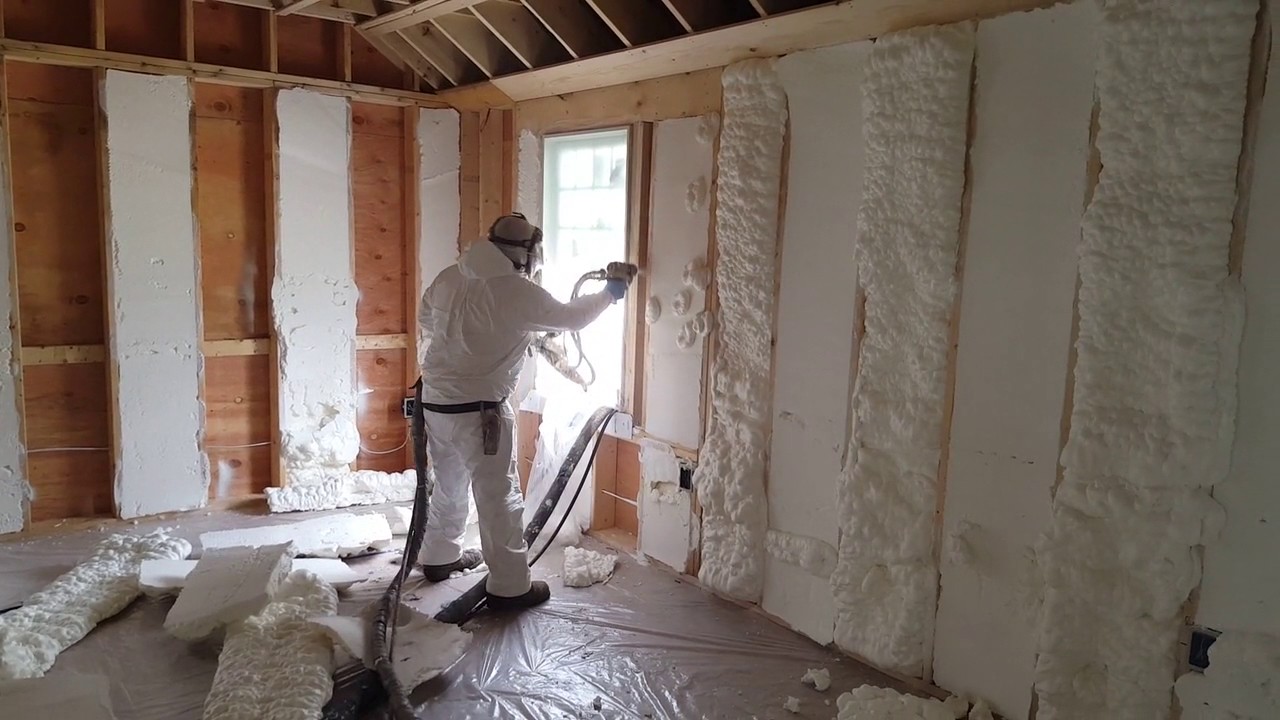
Closed-cell foam doesn’t just insulate—it strengthens the structure where it’s applied. This physical rigidity adds resilience in both new construction and retrofits.
Adds Compressive Strength to Walls
Once cured, the foam becomes rigid and dense. This adds stiffness to walls and roofs without changing framing techniques.
- Increases racking strength in wood-framed walls
- Contributes to hurricane or wind load resistance
- Can reduce reliance on secondary bracing in some assemblies
Improves Long-Term Material Stability
Closed-cell foam does not sag, settle, or degrade like batt insulation.
- Retains insulation performance over decades
- Reduces maintenance and replacement needs
- Consistent air barrier performance over time
Supports Load Resistance in Roof Decks
In flat or low-slope roofing systems, closed-cell foam supports walking loads and roof-mounted equipment.
- Compatible with spray foam roofing systems
- Minimizes water infiltration even if the membrane is breached
Closed-Cell Spray Foam vs. Other Insulation Types
To understand closed-cell spray foam’s advantages, compare it directly with other common insulation materials used in residential and commercial buildings.
Application Advantages for Commercial and Residential Projects
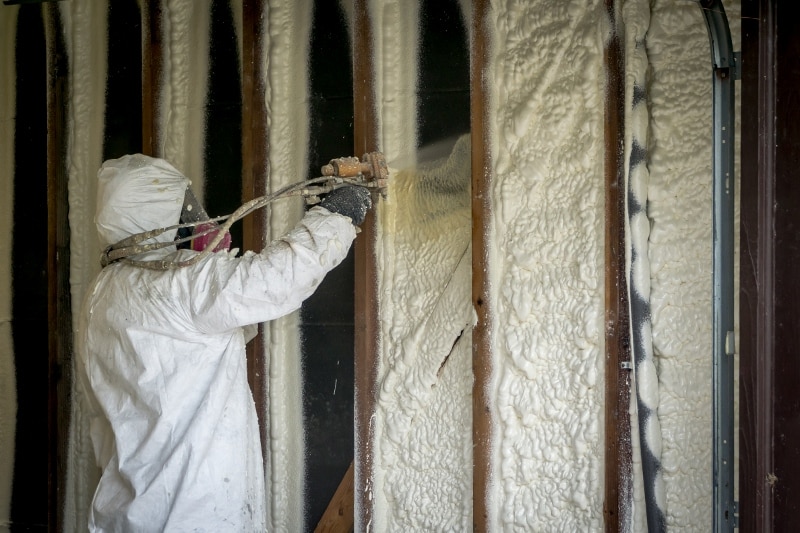
Closed-cell spray foam adapts well to diverse building conditions. It helps meet code requirements while providing long-term energy savings in both residential and commercial settings.
Optimizes Energy Use in Commercial Facilities
Large buildings often struggle with thermal bridging and inconsistent climate control. Closed-cell spray foam minimizes both.
- Reduces HVAC load by limiting heat transfer
- Seals envelope penetrations such as conduits and utility chases
- Complies with ASHRAE 90.1 and IECC commercial insulation codes
Improves Indoor Comfort in Homes
Spray foam contributes to a quieter, more consistent indoor environment.
- Blocks outdoor air and allergens
- Reduces temperature swings between rooms and floors
- Dampens vibration and street noise when used in exterior walls
Prevents Moisture Problems in Basements and Roof Decks
Closed-cell foam helps protect vulnerable areas from rot and mold growth.
- Creates a capillary break on basement walls
- Provides thermal resistance while preventing vapor diffusion
- Used in unvented attic assemblies for conditioned roof spaces
Common Questions About Closed-Cell Spray Foam Performance
Spray foam performance depends on the material, installation, and building conditions. These frequently asked questions help clarify what property owners need to know.
Does closed-cell spray foam reduce heating and cooling bills? Yes. Its high R-value and air-sealing properties reduce energy demand, making HVAC systems work more efficiently. Over time, this lowers utility costs.
Is closed-cell foam safe for indoor air quality? Once cured, it is inert and non-toxic. Installation requires proper ventilation, but once set, the material does not off-gas or release particulates.
Can it be used in existing walls without tearing them open? Not typically. Closed-cell foam requires access to the cavity. In most retrofits, it's used in attics, crawlspaces, or during full remodels.
How does it hold up in humid climates? Its vapor barrier properties and moisture resistance make it well-suited for high-humidity environments. It prevents damp air from entering insulation layers.
Is closed-cell foam appropriate for roofs? Yes. It’s often used in spray foam roofing systems or under roof sheathing in unvented assemblies. It enhances insulation while resisting water infiltration.
Conclusion
Closed-cell spray foam insulation service delivers performance that outpaces other common insulation options. With its high R-value, superior air and moisture sealing, and added structural support, it addresses many challenges faced by both homeowners and commercial facility managers. Its durability and thermal stability offer a long-term return on investment, especially in demanding climate zones or building types.
Choosing insulation isn't just about meeting minimum code—it's about improving comfort, protecting building materials, and lowering energy demand over time. Closed-cell spray foam addresses all three with a single application.
FAQs
How thick should closed-cell spray foam be applied? A typical application ranges from 2 to 3 inches, depending on climate zone and code requirements. This thickness ensures both insulation and vapor barrier performance.
Can closed-cell spray foam be painted or finished over? Yes. Once cured, it can be covered with drywall, intumescent coatings, or other code-approved thermal barriers for indoor use.
Does spray foam lose effectiveness over time? No. Closed-cell foam retains its R-value and air-sealing properties long term, unlike some batt materials that compress or degrade.
What types of buildings benefit most from closed-cell foam? Buildings with high humidity exposure, structural demands, or limited wall space benefit the most. These include commercial facilities, basements, attics, and metal structures.
Is professional installation required? Yes. Proper mixing, spraying, and curing require trained technicians to ensure safety and consistent results across surfaces.
Reviewer: Jacob Wright has 6 years of experience in spray foam insulation. He reviewed this content and made sure it focused on the real decisions small business owners deal with every day.





















Sign in to leave a comment.