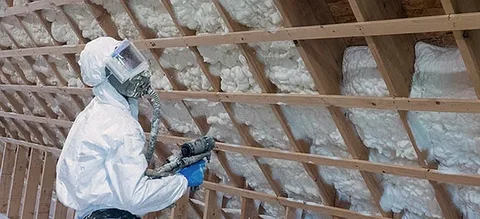

Blown-in attic insulation is a smart energy choice primarily because of how it's installed. Unlike traditional batt insulation that comes in pre-cut rolls, blown-in material is loose-fill that is machine-blown into the attic, creating a seamless, custom-fit blanket. This method effectively covers every nook, cranny, and structural element, including the tops of ceiling joists, which eliminates the thermal gaps that allow expensive heated or cooled air to escape. This complete coverage directly targets the main source of a home's energy loss, leading to significant reductions in utility bills and a more comfortable, stable indoor temperature.
The Advantage of a Monolithic Layer
The greatest strength of blown-in insulation is its ability to form a continuous, monolithic layer. Heat, like water, will always find the path of least resistance. In an attic insulated with batts, those paths are the small gaps around pipes, wiring, light fixtures, and the wooden ceiling joists themselves. Wood is a poor insulator, and when joists are left exposed, they act as "thermal bridges," allowing heat to pass through them and escape the living space below.
Blown-in insulation solves this problem by completely covering the joists and settling tightly around any obstructions. By creating this seamless thermal blanket, it raises the entire attic floor's effective R-value, not just the spaces between the joists. The result is a much more efficient thermal barrier that keeps your conditioned air where it belongs.
- Bonus Tip: Before adding new insulation, it's a good practice to perform air sealing. This involves using caulk or spray foam to seal any penetrations in the attic floor, such as around plumbing vents, electrical wires, and the attic access hatch. Sealing these leaks first makes the new blown-in insulation even more effective.
Understanding the Material Options
There are two primary types of professional blown-in insulation used in residential attics: fiberglass and cellulose. While both are effective, they have different properties that may make one a better fit for a particular home.
Fiberglass
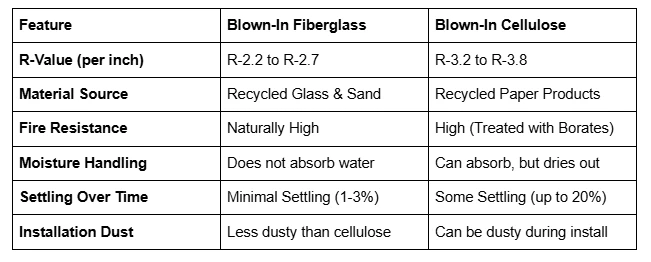
Loose-fill fiberglass is made from molten glass spun into fine fibers. It's naturally fire-resistant, won't absorb moisture (which helps prevent mold growth), and doesn't settle much over time. It's a lightweight material, which can be an advantage in attics with older drywall ceilings that can't support a lot of weight.
Cellulose
Cellulose insulation is made from recycled paper products, primarily newsprint. It's chemically treated to be highly resistant to fire, mold, and pests. Cellulose has a slightly higher R-value per inch than fiberglass and is denser, which can give it a small edge in blocking air movement and sound.
Direct Comparison of Materials
The choice between fiberglass and cellulose often comes down to specific project goals and budget. Here is a quick look at how they stack up.
The Impact on Your Wallet and Comfort
Properly insulating your attic is one of the home improvement projects with the highest return on investment. The Environmental Protection Agency estimates that homeowners can save an average of 15% on heating and cooling costs by air sealing their homes and adding insulation to their attics and crawl spaces.
This energy savings comes from reducing the workload on your HVAC system. When your attic is poorly insulated, your furnace and air conditioner have to run almost constantly to keep up with the continuous heat loss in winter and heat gain in summer. A well-insulated attic allows the system to cycle on and off less frequently, which not only cuts your energy bills but also extends the lifespan of your expensive equipment. The immediate comfort benefit is a house that stays warmer in the winter and cooler in the summer, with fewer temperature swings.
Additional Benefits You Might Not Expect
While energy savings is the main driver for most people, blown-in attic insulation provides other valuable benefits.
Preventing Ice Dams
In colder climates, a poorly insulated attic allows heat to escape and melt the snow on the roof. This water then runs down to the colder eaves and refreezes, forming a ridge of ice known as an ice dam. Ice dams can force water back up under the shingles, causing serious water damage to the roof, attic, and walls. By keeping the attic cold in the winter, blown-in insulation helps keep the snow on the roof frozen, preventing ice dams from forming in the first place.
- Bonus Tip: Proper attic ventilation is just as important as insulation for preventing ice dams. Soffit vents and ridge vents work together to create a flow of cold air that keeps the roof deck cold. An insulation contractor should always check for adequate ventilation.
Sound Reduction
The thick, fluffy layer of blown-in insulation is also great at absorbing sound. It can help muffle outside noises from traffic, airplanes, or weather, creating a quieter and more peaceful living environment inside the home.
Things to Consider Before Making a Decision
Before you hire a contractor, there are a few key things to evaluate.
Assess Your Current Insulation
First, determine how much insulation you already have and what condition it's in. You can simply look in your attic. If you can see the tops of your ceiling joists, you almost certainly need more insulation. If the existing insulation is damp, compacted, or has signs of pests, it may need to be removed before new material is added.
Understand R-Value Targets
Energy codes recommend different R-value targets depending on your climate zone. For most northern and central parts of the United States, the recommended level for attics is between R-49 and R-60. A professional can calculate how many inches of new insulation are needed to reach this target.
Choose a Qualified Installer
The performance of blown-in insulation depends heavily on the quality of the installation. A good contractor will ensure the material is installed at the correct density to achieve its stated R-value and will use baffles to keep soffit vents clear for proper airflow. They will also properly insulate and weatherstrip the attic access door, which is a common site of energy loss.
Common Questions About Blown-In Insulation
Here are some answers to frequently asked questions about this process.
Can I add new blown-in insulation over my old insulation?
Yes, in most cases. As long as the existing insulation is dry and not moldy, new blown-in fiberglass or cellulose can be installed directly on top of it. This is a common and cost-effective way to bring an attic up to modern standards.
How long does the installation process take?
For a typical single-family home, installing blown-in attic insulation is usually a half-day job. The crew works from a truck outside, running a long hose up into the attic, which keeps the disruption inside your home to a minimum.
Does blown-in insulation pose any health risks?
Modern blown-in insulation materials are safe. Both fiberglass and cellulose are made from recycled content and are treated to be fire-resistant. While dust is created during installation, professional crews use equipment to manage it, and the material is completely inert and stable once it's in place.
Will the insulation settle and become less effective?
Fiberglass insulation settles very little. Cellulose insulation is intentionally installed at a greater initial depth to account for expected settling over the first few years. A professional installer will factor this in to ensure you have the correct R-value long-term.
Is the installation process noisy or messy?
The blowing machine is on a truck outside and does make some noise, similar to a large vacuum cleaner. Inside the house, the process is very quiet. Professionals are careful to lay down plastic to protect your home near the attic access, and they clean up thoroughly when the job is done.
A Straightforward Path to Energy Savings
For homeowners looking for a practical and effective way to lower their energy bills and improve home comfort, upgrading attic insulation is a clear winner. The blown-in method provides superior coverage that seals the thermal envelope of your home, delivering immediate and lasting results. However, the final outcome depends on a proper assessment and professional installation.
Getting Professional Guidance
While blown-in insulation is an excellent choice for many attics, every home is different. Consulting with building envelope specialists can help you decide on the best solution for your specific property. A company with deep expertise in insulation, like FOAMWORX Spray Foam Insulation, can assess your attic's unique needs, check for air leaks, and ensure proper ventilation. They can provide guidance on the right approach for your home. To discuss your project, they can be reached at (507) 407-0678 or via email at [email protected].
Reviewer: Jacob Wright has 6 years of experience in spray foam insulation. He reviewed this content and made sure it focused on the real decisions homeowners deal with every day.



























Sign in to leave a comment.