
If you live near the coast in Virginia Beach, Norfolk, or Suffolk, the answer is yes and the science behind it matters more than most people realize.
Coastal residents face a unique combination of UV intensity, humidity fluctuations, salt air, and seasonal sun exposure that directly changes how your skin heals, how long your results last, and when it is actually smart to schedule your next session. This is not about preference. It is about biology and timing.
Understanding aesthetic treatments by season in a coastal climate is the difference between getting full value from every appointment and wasting money on poorly timed procedures.
How Coastal Climate Actually Stresses Your Skin
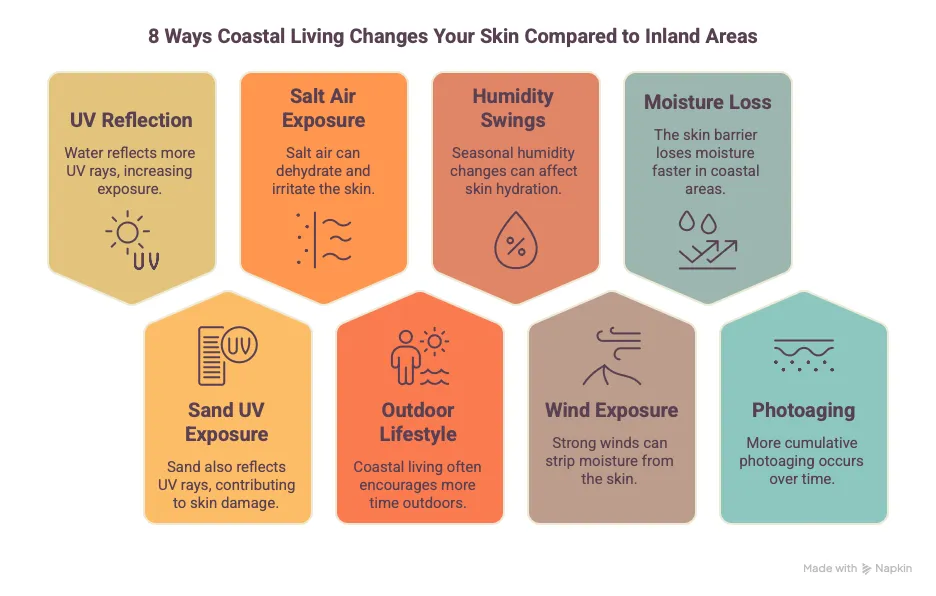
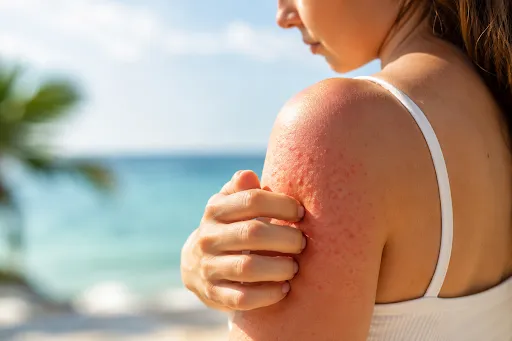
Living near the ocean sounds like a dream, and in many ways it is. But coastal air carries salt particles, higher UV reflectivity from water and sand, and erratic humidity swings between seasons that inland clients simply do not experience.
According to a study, coastal regions along the Atlantic experience elevated UV Index readings compared to interior regions at the same latitude, largely because of water surface reflection and reduced particulate matter filtering sunlight.
What this means for your skin practically:
- Post-treatment skin (laser, microneedling, filler) is more photosensitive than baseline skin
- Higher UV environments accelerate collagen breakdown between sessions
- Salt air can dehydrate the lipid barrier, slowing recovery after resurfacing
- Humidity drops in fall and winter affect how deeply topical post-care products absorb
Quick Fact: UV radiation accounts for up to 80% of visible skin aging, according to the American Academy of Dermatology. In coastal Virginia, that exposure window is longer and more intense than most people account for.
Seasonal Treatment Planning for Coastal Residents
Coastal Virginia sits in a climate zone where seasons shift fast and UV intensity does not follow a predictable indoor calendar. What works as a treatment timeline for someone in a landlocked city with filtered sun and stable humidity does not translate directly to someone living minutes from the Atlantic.
Fall and Winter: The Prime Window
This is the most strategically sound period for nearly every procedure that requires skin recovery or a series of sessions.
Laser hair removal, Fraxel, microneedling, and IPL photorejuvenation all work best when post-treatment skin is shielded from UV exposure. Starting your series in October or November means your final sessions complete before heavy beach season UV exposure returns.
| Treatment | Ideal Start Window | Reason |
| Laser Hair Removal | September to November | 6+ sessions needed; avoid mid-treatment sun |
| Fraxel / Pixel Resurfacing | October to December | Significant downtime; sun avoidance critical |
| Microneedling Series | October to January | Collagen remodeling takes 90+ days |
| IPL Photorejuvenation | Fall only | Active tan is a contraindication |
Tip: If you are planning a microneedling series for skin texture or acne scarring, starting in October gives your skin the full winter to build collagen without UV interference disrupting the process.
Spring: Transition and Timing
Spring in coastal Virginia brings fast UV escalation. By April, the UV Index in Virginia Beach regularly climbs to moderate-to-high levels, making it a genuinely risky window to start resurfacing treatments from scratch.
However, spring is excellent for:
- Maintenance filler appointments -- Touch-up volumes are smaller, recovery is faster, UV risk is manageable with diligent SPF
- Neuromodulator appointments -- BOTOX and Dysport have no photosensitivity concern
- Completing laser hair removal series started in fall
Dermal fillers maintenance schedules fit well into spring because the correction is usually minor and the patient is not starting from baseline sensitivity.
Summer: What to Skip and What to Keep
This is the most mismanaged season in coastal aesthetics. Many clients book laser and resurfacing appointments in June and July because they have vacation time. This is the single most common timing mistake.
Treatments to avoid in peak summer (June to August) in coastal Virginia:
- Laser resurfacing of any kind
- IPL on untreated or recently tanned skin
- Full microneedling sessions if you spend significant time outdoors
What summer is appropriate for:
- BOTOX and Dysport (no UV interaction)
- Small-volume dermal fillers maintenance touch-ups with proper sun protection post-visit
- Consultations and skin assessments for fall planning
Quick Fact: A tan, even a mild one, is a contraindication for most laser treatments. Melanin competition during laser energy delivery increases the risk of post-inflammatory hyperpigmentation, particularly in Fitzpatrick skin types III to VI.
The Coastal Filler Equation: Why Maintenance Intervals Shift
Dermal filler longevity is not just about the product. It is about your environment and metabolic rate.
Coastal clients who are physically active outdoors (running on the boardwalk, water sports, outdoor labor) tend to metabolize hyaluronic acid fillers faster. Higher body temperature sustained over long outdoor activity periods accelerates enzymatic breakdown of HA-based products like Juvederm and Restylane.
This means your dermal fillers maintenance interval in coastal Virginia may realistically be 8 to 10 months rather than the commonly cited 12. Planning for this is not a disadvantage. It is just smarter budgeting and scheduling.
If you are researching dermal fillers in Norfolk VA, understanding this local context is worth discussing with your provider before you commit to a treatment plan.
Microneedling in Coastal Climates: The 90-Day Rule
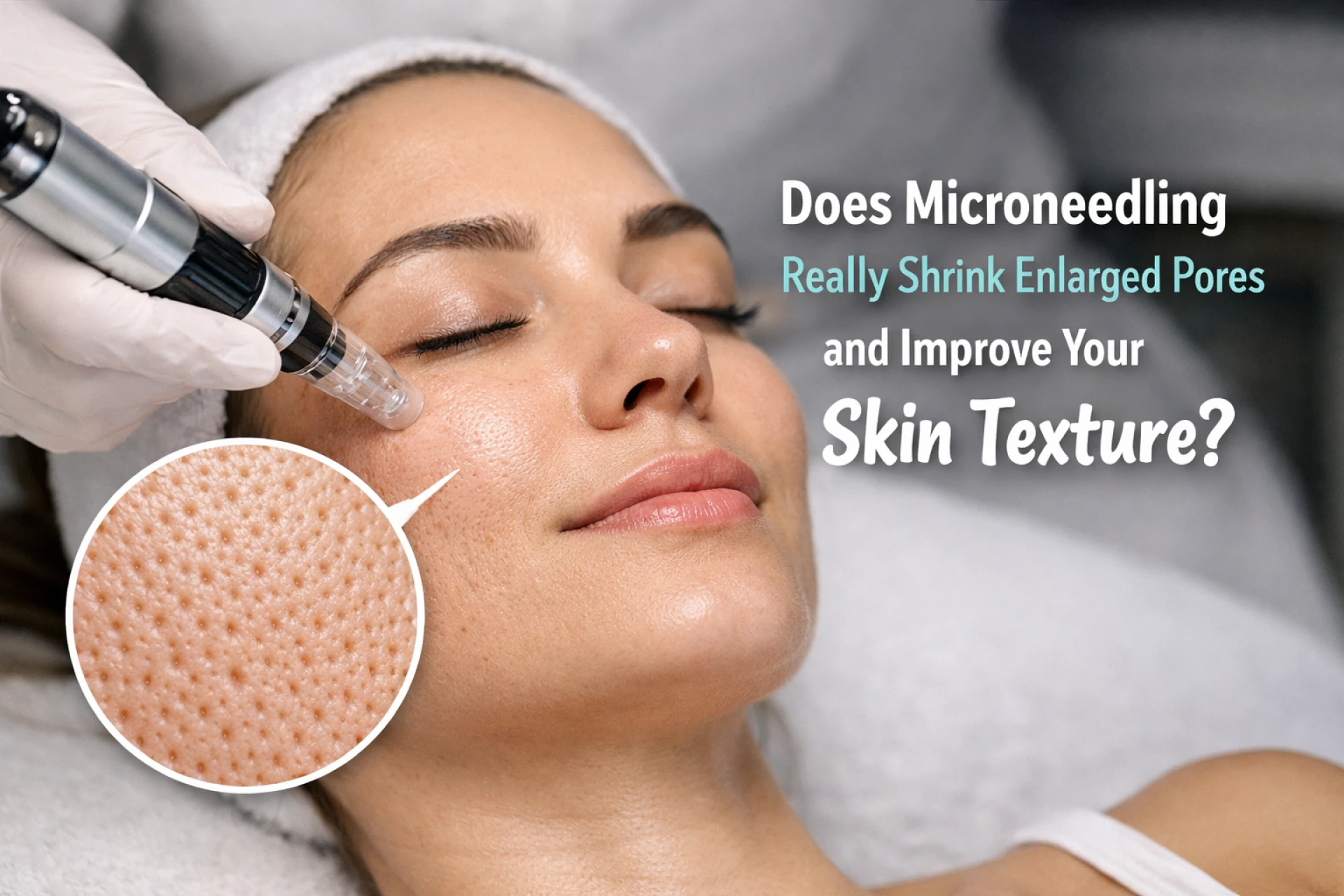
Microneedling stimulates collagen through controlled micro-injury. The remodeling process takes a minimum of 90 days to show meaningful results after the final session in a series.
For coastal residents, this creates a clear planning window:
- Start: October to November
- Final session: December to January
- Full results visible: March to April
- Maintain: Spring maintenance session if needed
Scheduling outside this window does not mean zero results. It means you are competing with UV damage during the exact healing period your skin needs protection.
Tip: After any microneedling or laser session, a broad-spectrum SPF 50 applied every two hours outdoors is not optional. For coastal patients, it is the most direct variable you control for treatment success.
Understanding Aesthetic Treatments by Season: A Quick Reference
Timing your aesthetic treatments by season correctly is one of the highest-leverage decisions you can make as a coastal patient:
| Season | Best For | Avoid |
| Fall | Laser series, microneedling, Fraxel, IPL | Nothing |
| Winter | Continuing series, recovery, skin prep | Heavy outdoor activity post-treatment |
| Spring | Filler touch-ups, BOTOX, maintenance | New resurfacing series |
| Summer | BOTOX, Dysport, consultations | Laser resurfacing, IPL, full microneedling |
Key Takeaways
- Coastal UV exposure in Virginia directly affects treatment timing, healing speed, and filler longevity
- Fall through winter is the optimal window for laser, resurfacing, and microneedling series
- Summer is appropriate for neuromodulators and small filler maintenance, not resurfacing
- Filler breakdown may occur faster in physically active coastal patients
- Planning around seasons is not a caution, it is how you protect your investment in your skin
Conclusion
Living on the coast in Virginia is a lifestyle advantage in most ways. For aesthetic treatments by season, it requires a more deliberate calendar than inland residents typically need. The UV environment is real, the salt air is real, and the filler metabolism difference is real.
The good news is that planning around coastal conditions is straightforward once you understand the variables. The clinics at The Spa and Laser Center in Virginia Beach, Norfolk, Suffolk, and the Outer Banks work with patients in this exact environment every day.
Ready to build a treatment timeline that actually works for where you live? Contact us today.
Frequently Asked Questions
1: Can salt air damage skin barrier function enough to affect filler or laser results?
Yes. Chronic salt air exposure can compromise the lipid barrier, which increases transepidermal water loss. This affects how well post-care products absorb and can slow recovery after laser or microneedling sessions.
2: Does high humidity in coastal Virginia affect how BOTOX spreads after injection?
Humidity itself does not affect BOTOX migration, but elevated physical activity in hot, humid weather in the 24 hours post-injection increases circulation and may slightly affect initial settling. Most providers recommend avoiding intense exercise the day of treatment.
3: How does Fitzpatrick skin type interact with coastal UV risk for laser treatments?
Skin types III to VI carry higher risk of post-inflammatory hyperpigmentation when laser treatments are performed on tanned or UV-stressed skin. Coastal patients in these categories should be especially strict about fall and winter scheduling for any resurfacing procedure.
4: Is SPF 30 sufficient after laser treatment in a coastal Virginia summer environment?
Most dermatology guidelines recommend SPF 50 or higher for post-treatment skin, and reapplication every two hours when outdoors. In a reflective coastal environment, SPF 30 is generally considered insufficient protection during active UV exposure windows.
5: Do collagen-stimulating treatments like Sculptra perform differently in high-UV coastal environments?
Sculptra (poly-L-lactic acid) stimulates gradual collagen production over months. Chronic UV exposure during that window can counteract collagen synthesis. Coastal patients should ideally begin Sculptra treatment in fall and commit to aggressive photoprotection throughout the series.
















Sign in to leave a comment.