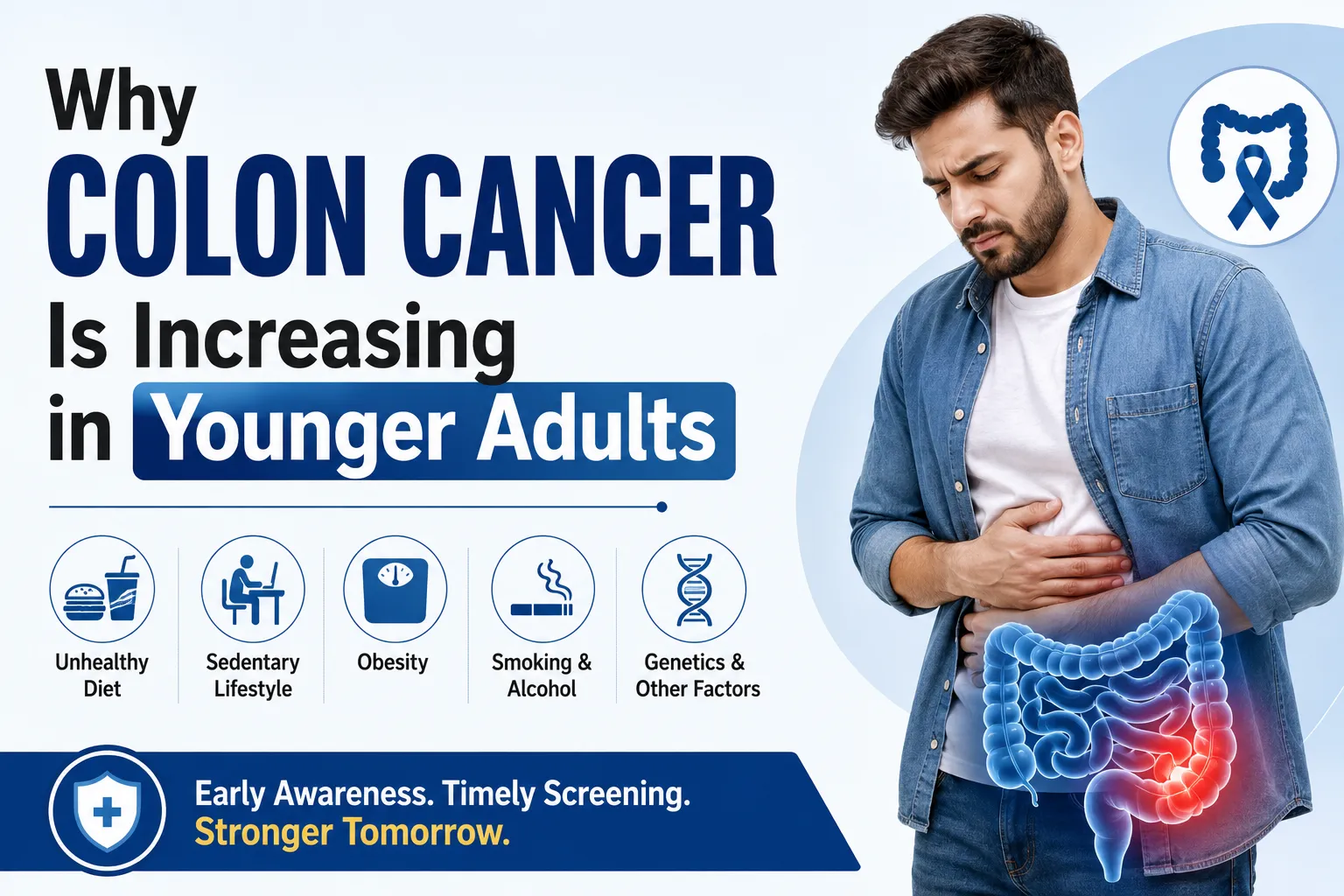
For many years, colon cancer was believed to be a disease that affected mostly those over the age of 50. But now healthcare experts around the world are seeing a disturbing trend of more and more adults in their 20s, 30s and 40s being diagnosed with colon cancer. This increase has brought awareness to doctors, researchers and public health agencies.
The reasons for this rise are still being explored, but lifestyle habits, dietary changes, obesity, inactivity, environmental factors and family history are believed to be important contributing factors.
Early recognition and treatment with medical help can save a life. If you are suffering from chronic digestive issues, the experts at Best Gastroenterology Hospital in Hisar, Sarvesh Health City will assist you in getting proper diagnosis and timely treatment.
What Is A Colon Cancer?
Sometimes, colon cancer is called colorectal cancer when it starts in the rectum. It starts when abnormal cells grow uncontrollably in the lining of the large intestine. It often starts as small, benign growths called polyps that can gradually become cancerous if not treated.
The disease is usually progressive so regular screening and early detection are very important.
Why is colon cancer increasing among young people?
Experts say the rise is due to several factors, though research is still underway.
1. Bad Eating Habits
Modern diets tend to include:
-Ultra-processed foods
-Sugary beverages
-Too much Processed & red meat
-Low-fiber diet
-Frequent fast food consumption
Over time, eating few fruits, vegetables and whole grains can damage your gut health and raise your risk for colon cancer.
2. Rise in obesity
Young adult obesity is increasing. Excess body fat can cause chronic inflammation, hormonal changes and insulin resistance, which can increase the risk of colorectal cancer.
3. Sedentary Lifestyle
Young professionals often work for extended periods in front of a desk or looking into their digital gadgets. Less activity means a slower metabolism that could also impact your digestive system.
Do exercise regularly. Physical activities will ensure proper functioning of the intestines and minimize your chances to develop cancer.
4. Changes in Gut Flora
Healthy flora inside the body is important for maintaining good health. Regular taking of antibiotics, highly-processed food and improper diet, poor nutrition, and bad lifestyle choices may alter gut flora that increases the risk of colorectal diseases.
5. Genetic Factors and Heredity
Some people with a family history of colon cancer and genetic predisposition such as Lynch syndrome and Familial Adenomatous Polyposis (FAP) have higher risks of developing the disease.
Screening might be recommended for such individuals earlier than for other groups.
6. Tobacco and Alcohol Use
Smoking can harm healthy cells in your entire body. Heavy alcohol use is linked to an increased risk of colorectal cancer. Avoid tobacco, and drink alcohol in moderation, as these can improve your health significantly in general.
Symptoms of Colon Cancer
One of the biggest worries is that early colon cancer may not present with any obvious symptoms. But if the digestive problems are chronic, they should never be ignored.
Common red flags include:
-Stool with blood
-Chronic constipation or diarrhoea
-Alteration in bowel habit for a few weeks
-Stomach pain or cramping
-Unintentional weight loss
-Weariness and feebleness
feeling that bowel does not clear completely
If symptoms last longer than two weeks, a medical assessment is recommended.
Common Questions Asked
Is colon cancer possible in young adults?
Yes. While the virus remains more common in older adults, cases in people younger than 50 have risen dramatically in recent years. Any persistent digestive symptoms should be evaluated by a specialist.
Who Is More at Risk?
Some people are at greater risk of getting colon cancer.
-Risk factors
-Family history of colon cancer
-Fatness
-Low fiber diet
-Processed meat consumption
-Smoking
-Heavy drinking of alcohol
-Lifestyle - sedentary
-Diabetes, Type 2
inflammatory bowel diseases, Crohn’s disease or ulcerative colitis
Having one or more risk factors doesn’t mean you will get cancer, but it does mean regular monitoring becomes more important.
How can you detect colon cancer?
Doctors may order different tests based on symptoms and medical history.
The most common methods of diagnosis are:
-Colonoscopy
-Stool screening exams
-CT Scan
-MRI Scan
-Blood tests
-Biopsy
Colonoscopy is still one of the most effective methods because it allows doctors to find and remove precancerous polyps before they can become cancerous.
Is it possible to prevent colon cancer?
Of course, not every case can be avoided, but a healthy lifestyle can minimize the risk man times.
Consume foods rich in:
-Fruit, fresh
-Vegetables,
-Cereal grains
-Leguminosae plants
-Fiber-rich foods
Reduce processed meats, sugar-laden snacks and bad fats.
-Keep Moving
Try to get 30 minutes of moderate exercise most days of the week.
-Keep a Healthy Weight
“Maintaining your weight in check reduces inflammation and your chances of getting several cancers, such as colon cancer.
-Avoid smoking
Smoking cessation is good for your digestive and general health.
-Moderate Alcohol Use
Reducing alcohol consumption may reduce the risk of colorectal cancer.
-Don’t Ignore Symptoms
Many young adults attribute their digestive problems to acidity or stress. Always have persistent symptoms evaluated by a gastroenterologist.
When Should You Be Tested?
Many international guidelines now recommend colorectal cancer screening starting at age 45 in average-risk people.
However, you may need screening at an earlier age if you have:
-Family history of colon cancer
-Genetic illnesses related to colorectal cancer
-Inflammatory bowel disease
-Chronic gastrointestinal symptoms
Depending on your risk factors, your gastroenterologist can help you decide on a screening schedule that’s right for you.
Why Choose Sarvesh Health City?
Digestive health depends on timely diagnosis and expert careSarvesh Health City offers end-to-end assessment and treatment of gastro-intestinal disorders with state-of-the-art diagnostic facilities and experienced specialists.
-Gastroenterology Experts
-Endoscopy and Colonoscopy Services Specializing
-Present diagnostic technologies
-Individualized treatment approaches
-All under one roof - Digestive care everywhere
-Multidisciplinary patient-centred care
Early consultation can do wonders in the diagnosis of digestive disorders before they become serious.
Conclusion
As colon cancer cases are on the rise among younger adults, there is a need for awareness, healthy lifestyle choices and early medical evaluation. The reasons for this trend are still being studied but it appears that unhealthy diet, obesity, physical inactivity, smoking, genetics and delayed diagnosis contribute to this trend.
Not addressing persistent digestive symptoms can delay diagnosis and treatment and impact outcomes. If you have a change in bowel habits, unexplained weight loss, blood in your stool or persistent abdominal pain, see a medical professional right away.
Sarvesh Health City is the best gastroenterology hospital in Hisar. The hospital provides expert digestive care, advanced screening, and personalized treatment. It is committed to improving patients’ digestive health through timely diagnosis and compassionate care.






























Sign in to leave a comment.